




Budget-friendly ways to feed a large family real food from the garden?
Growing More Than Just Food: A Budget-Friendly Family Garden
Feeding a large family nutritious, real food can be a significant financial challenge in today’s world. However, transforming your backyard into a productive garden offers an empowering and budget-friendly solution. By strategically planning and managing your plot, you can drastically reduce your grocery bill while providing wholesome, fresh produce for your loved ones. This guide will explore practical ways to maximize your garden’s output and stretch every harvest to feed your growing family.
Strategic Garden Planning for Abundance
The key to a successful, budget-friendly garden for a large family lies in smart planning. Focus on high-yield, nutrient-dense crops that your family enjoys and that store well. Think about plants that produce continuously or have multiple harvests.
- Prioritize High-Yield Staples: Instead of exotic, low-output plants, dedicate most of your space to prolific producers. Potatoes, sweet potatoes, corn, beans (bush and pole), squash (winter and summer), tomatoes, cucumbers, and leafy greens like Swiss chard and kale are excellent choices. Root vegetables, in particular, offer substantial caloric value.
- Succession Planting: Don’t plant everything at once. Stagger your plantings of quick-maturing crops like lettuce, radishes, and bush beans every few weeks. This ensures a continuous harvest throughout the growing season rather than a massive glut all at once.
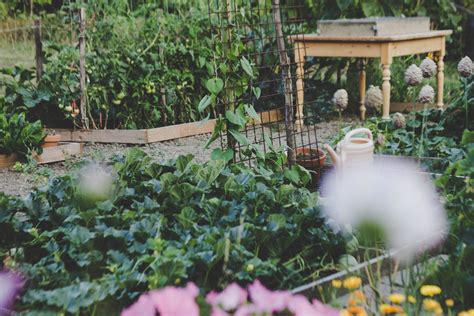
- Vertical Gardening and Intensive Planting: Maximize your space, especially if you have a smaller yard. Use trellises for climbing plants like pole beans, cucumbers, and some squash varieties. Employ intensive planting methods where plants are spaced closer together in wide beds rather than traditional rows, increasing yields per square foot.
Maximizing Every Harvest Through Preservation
A large garden can produce an overwhelming amount of food at peak season. Learning effective preservation techniques is crucial to avoid waste and enjoy your harvest year-round, further reducing your reliance on store-bought produce.
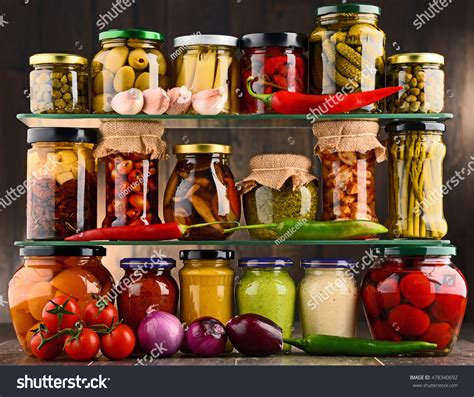
- Canning: Jams, jellies, pickles, tomato sauce, and pressure-canned vegetables like green beans or corn can provide shelf-stable food for months. Invest in a good pressure canner for low-acid foods.
- Freezing: Blanch and freeze vegetables like broccoli, peas, corn, and green beans. Puree and freeze summer squash or pumpkin. Berries can be frozen whole. This is one of the easiest methods for beginners.
- Dehydrating: Dry fruits, herbs, and even some vegetables for snacks, seasonings, or ingredients in soups and stews. Think sun-dried tomatoes, apple chips, or dried herbs.
- Root Cellaring/Cool Storage: For crops like potatoes, sweet potatoes, onions, garlic, and winter squash, a cool, dark, and moderately humid storage area can keep them fresh for many months without energy input.
Cooking Creatively with Garden Gluts
Even with preservation, you’ll encounter periods of abundance. Get creative in the kitchen to make the most of your fresh produce.
- Batch Cooking: When you have a massive zucchini harvest, make big batches of zucchini bread, gratin, or even freeze grated zucchini for later use in muffins or stir-fries. Turn a tomato glut into large quantities of sauce or salsa.
- Flexible Recipes: Embrace recipes that can accommodate varying amounts of vegetables. Soups, stews, casseroles, stir-fries, and frittatas are excellent for using up whatever is ripe in the garden.
- Community Sharing: If you truly have more than you can use or preserve, share with neighbors, friends, or local food banks. They will appreciate the fresh produce, and it fosters community goodwill.

Sustainable Practices for Long-Term Savings
To truly be budget-friendly, consider the long-term sustainability of your garden. Reducing inputs saves money and makes your garden more resilient.
- Composting: Turn kitchen scraps and garden waste into rich, free fertilizer. This improves soil health, reduces the need for purchased amendments, and diverts waste from landfills.
- Seed Saving: Learn to save seeds from open-pollinated varieties. This is a powerful way to reduce costs year after year and cultivate varieties perfectly suited to your local climate and tastes.
- DIY Pest Control: Explore organic pest control methods like companion planting, introducing beneficial insects, or using homemade garlic or neem oil sprays.

The Joy and Savings of a Family Garden
Feeding a large family real food from your garden is more than just a money-saving endeavor; it’s a journey towards greater food independence, healthier eating habits, and a deeper connection to nature. While it requires effort and planning, the rewards—delicious, fresh food, significant grocery savings, and invaluable life lessons for your children—are immeasurable. Start small, learn as you grow, and watch your family thrive on the bounty of your own backyard.