


How do busy country families prioritize real food homemade meals?
The Heart of the Home: Why Real Food Matters in Rural Life
Country living often evokes images of wholesome, scratch-cooked meals, fresh from the farm or garden. While the ideal is certainly appealing, the reality for many rural families is a bustling schedule filled with work, school, community commitments, and often long commutes. Yet, despite these pressures, a significant number of country families still manage to make real food homemade meals a priority. Their commitment stems from a deep-seated desire for health, tradition, and connection, leading them to adopt practical strategies that transform meal preparation from a chore into a cornerstone of family life.
The drive to nourish their families with wholesome, unprocessed ingredients is powerful. It’s about more than just food; it’s about teaching children life skills, fostering family bonds around the dinner table, and maintaining a link to the land and its bounty. But how do they do it when time is a precious commodity?
Strategic Planning: The Cornerstone of Homemade Meals
For busy country families, haphazard meal preparation is a recipe for takeout. Strategic meal planning is often the first and most crucial step. This typically involves setting aside dedicated time, usually once a week, to map out meals for the days ahead. They consider what ingredients are already on hand, what’s in season, and what fits into the family’s schedule.
Many families create a rotating menu of tried-and-true recipes that are quick, easy, and family favorites. They also factor in evenings with late activities, planning simpler meals like slow-cooker dishes or pre-prepared components that can be quickly assembled. This foresight not only saves time but also reduces food waste and last-minute stress.
Harnessing Local Bounty and Homegrown Goodness
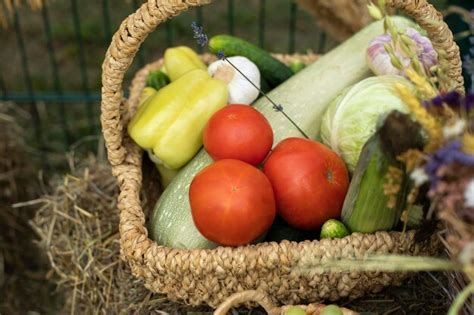
Living in the country often provides unique access to fresh, local ingredients. Many families take full advantage of farmers’ markets, roadside stands, community-supported agriculture (CSAs), and direct relationships with local farmers. Buying seasonally not only supports local economies but also ensures fresher, more flavorful produce that often requires less doctoring.
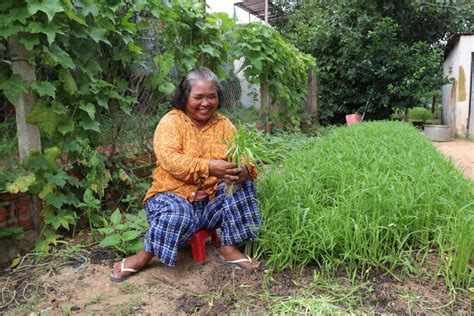
For those with space, a home garden or even a small raised bed can be a game-changer. Growing your own vegetables, herbs, and fruits provides an abundant, cost-effective source of real food. Children can be involved in gardening, fostering a connection to where their food comes from and making them more likely to eat what they’ve helped grow. Preserving this bounty through canning, freezing, or dehydrating extends the harvest, providing healthy ingredients year-round.
Efficiency in the Kitchen: Batch Cooking and Smart Prep
Time management in the kitchen is paramount. Many busy country families embrace batch cooking and advanced preparation to maximize their efforts. This means dedicating a few hours on a less hectic day (often a weekend) to tasks like chopping vegetables, cooking grains, boiling eggs, or even preparing entire meals that can be frozen and reheated.
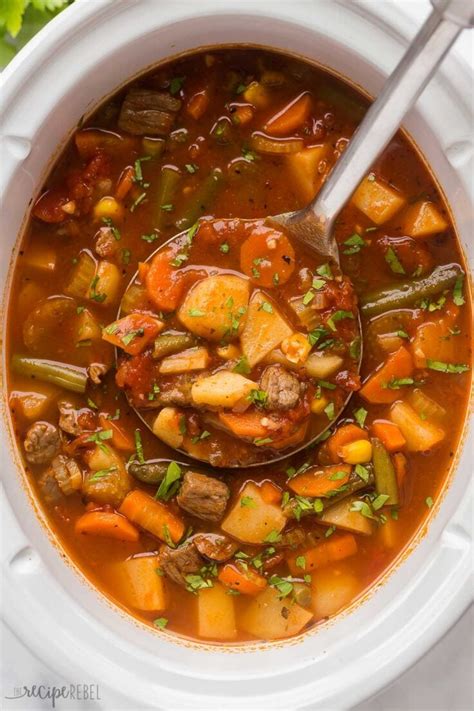
For example, a large batch of chili, soup, or a casserole can provide several meals or components for different dishes throughout the week. Investing in a slow cooker or instant pot can also be a significant time-saver, allowing meals to cook unattended while family members are engaged in other activities.

Making it a Family Affair: Shared Responsibilities
Homemade meals don’t have to be a solo endeavor. Many country families involve everyone in the process, from menu planning and grocery shopping to food preparation and clean-up. Even young children can help with simple tasks like washing vegetables, setting the table, or stirring ingredients. Older children can take on more complex roles, learning valuable cooking skills and developing a sense of responsibility.
This shared effort not only lightens the load for the primary cook but also instills appreciation for the food and the effort involved. It transforms mealtime from a transactional event into a collaborative family experience, building stronger bonds and life skills.
Embracing Simplicity and Flexibility
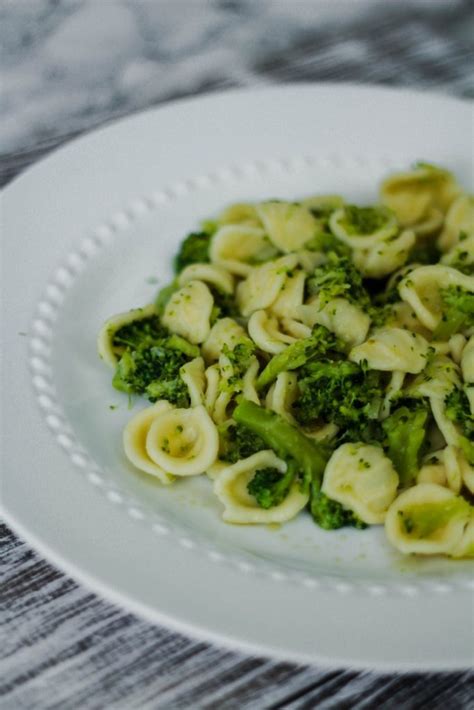
Prioritizing real food doesn’t mean every meal has to be an elaborate culinary masterpiece. Busy country families often rely on simple, wholesome recipes that require minimal ingredients and preparation time. Think roasted vegetables with a lean protein, hearty salads, or quick stir-fries. They understand that a simple, homemade meal is always better than a processed convenience food.
Flexibility is also key. There will be days when plans go awry, and a carefully constructed menu falls apart. Having a few backup options – like frozen homemade soup, ingredients for quick sandwiches, or a simple pasta dish – prevents a complete derailment and ensures that the family can still enjoy a real food meal without added stress. It’s about progress, not perfection.
The Enduring Value of the Homemade Meal
For busy country families, prioritizing real food homemade meals is a conscious choice, often requiring creativity, discipline, and a willingness to adapt. It’s a testament to their values – health, family connection, and a deep appreciation for where their food comes from. By embracing strategic planning, leveraging local resources, optimizing kitchen efficiency, and making meal preparation a collaborative family effort, they not only feed their bodies well but also nourish their souls and strengthen their family bonds, one delicious homemade meal at a time.