
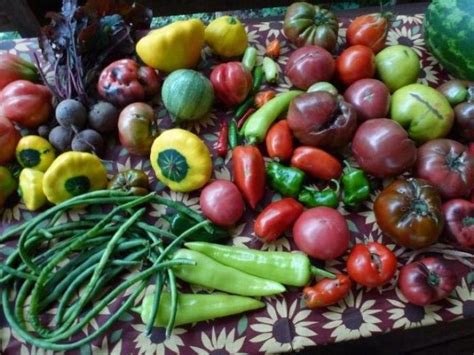
Tips for involving kids in garden chores and cooking real food dishes?
Cultivating Green Thumbs: Engaging Kids in the Garden
Involving children in gardening is a wonderful way to connect them with nature, teach them patience, and show them where their food comes from. It transforms abstract concepts into tangible experiences, fostering a deeper appreciation for healthy eating and the environment.
Make it Fun and Accessible
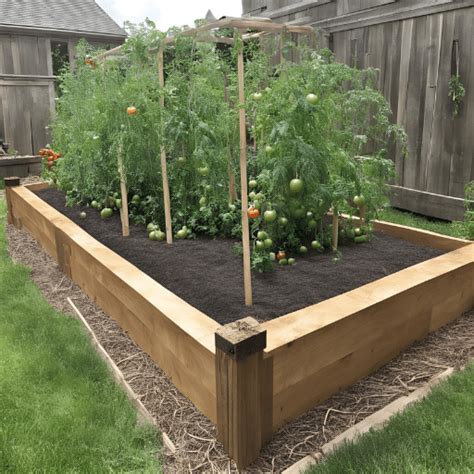
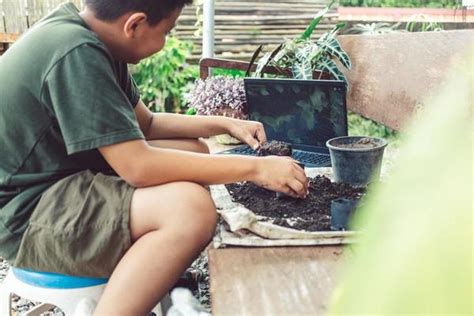
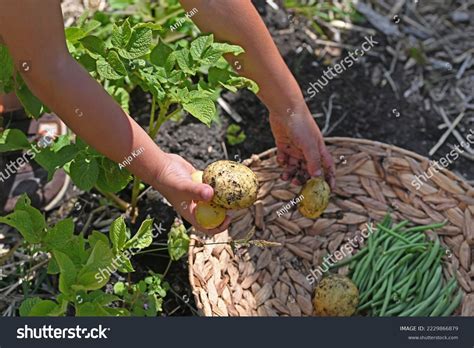
Start with simple, fast-growing plants like radishes, lettuces, or sunflowers. Give them their own small patch of garden or a designated pot where they can be entirely responsible. Provide kid-sized gardening tools – a small trowel, watering can, and gloves can make them feel like proper gardeners. Let them choose what they want to grow, within reason, to boost their excitement and ownership.
Learning Through Nature’s Classroom
Gardening offers countless learning opportunities. Children can learn about plant life cycles, the importance of sunlight and water, and even basic entomology by observing beneficial insects. Encourage them to get their hands dirty, feel the soil, and smell the herbs. These sensory experiences are invaluable for their development and can ignite a lifelong passion for nature.
From Garden to Table: Cooking Real Food Together
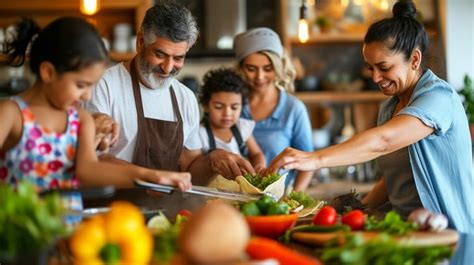
Once the harvest begins, the kitchen becomes the next natural classroom. Cooking real food dishes with your children not only teaches them essential life skills but also empowers them to make healthier food choices. It demystifies the cooking process and transforms meal preparation from a chore into a collaborative, enjoyable activity.
Start Simple and Age-Appropriate
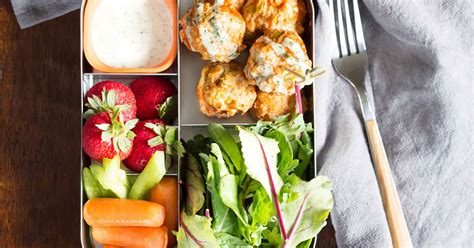
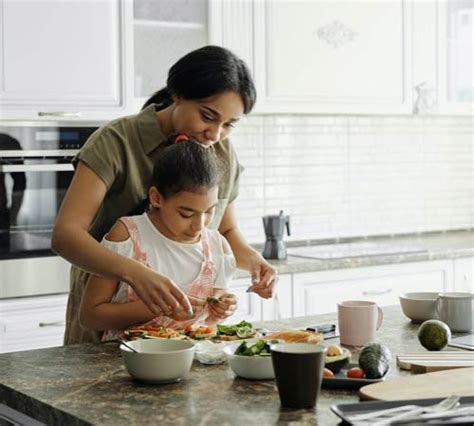
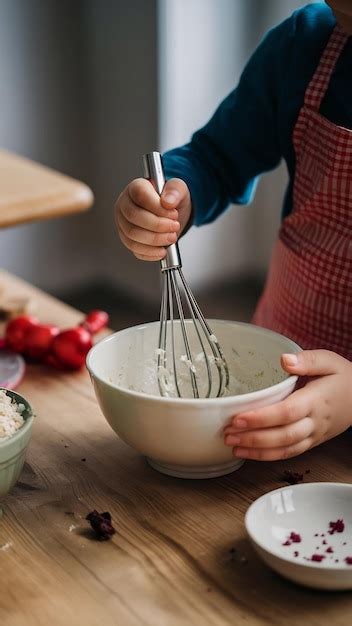
Even toddlers can help wash vegetables or stir ingredients in a bowl. Preschoolers can tear lettuce, mash avocados, or set the table. Older children can measure ingredients, chop soft vegetables with a kid-safe knife, or knead dough. Always supervise, but allow them to take on as much responsibility as their age and skill level permit. Begin with simple recipes that have clear steps and achievable outcomes, like a garden-fresh salad, homemade pizza, or fruit skewers.
Involve Them in Meal Planning
Let your children help plan meals, especially using ingredients they’ve grown. This gives them a sense of purpose and helps them understand the entire food journey, from seed to plate. Discuss healthy choices and how different foods nourish their bodies. This collaborative approach can significantly reduce mealtime battles and encourage adventurous eating.
Benefits Beyond the Plate and Plot
The advantages of involving kids in these activities extend far beyond merely helping out. They develop fine motor skills, learn about nutrition, practice math (measuring, counting), and improve their language skills through discussion and following instructions. They gain confidence and a sense of accomplishment from contributing to the family and seeing their efforts bear fruit (literally!).
Fostering Healthy Habits and Family Bonding
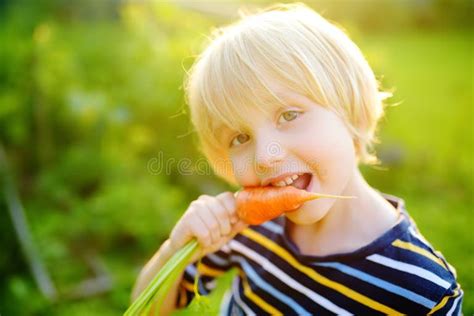
Children who grow their own food are often more willing to try new vegetables. Similarly, kids who help cook are more likely to eat what they’ve prepared. These experiences build a positive relationship with food, moving away from processed options towards wholesome, real ingredients. More importantly, gardening and cooking together create cherished family memories and strengthen bonds, turning everyday tasks into quality time.
Tips for Success and Patience
Remember that the goal isn’t perfection, but participation and learning. Embrace the mess – spills and soil are part of the process. Lower your expectations for efficiency; tasks will take longer with little helpers. Focus on the experience and the lessons learned, rather than just the final product. Celebrate their efforts and successes, no matter how small. Acknowledge challenges and help them learn from mistakes without judgment.
By intentionally involving your children in gardening and cooking, you’re not just assigning chores; you’re investing in their development, health, and happiness. These activities equip them with essential life skills, cultivate a love for nature and real food, and create lasting family traditions that nourish both body and soul.