


How do you reveal the unglamorous prep behind perfect homemade food shots?

The Illusion of Effortless Perfection
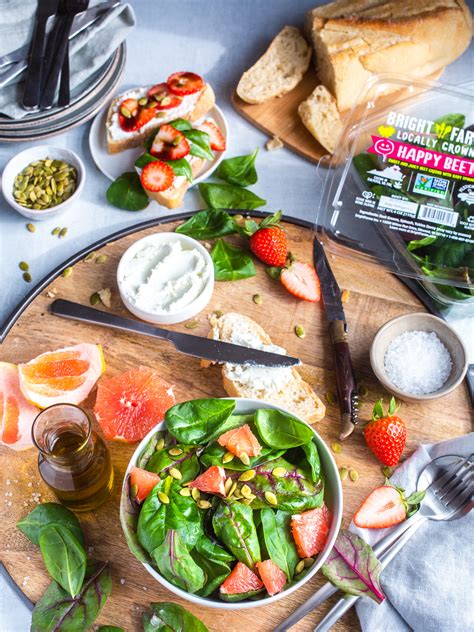
Scrolling through social media, we’re constantly bombarded with stunning images of homemade food – perfectly plated, beautifully lit, and utterly enticing. These culinary masterpieces often appear to be the result of a casual snap, captured in a moment of spontaneous deliciousness. The reality, however, is a fascinating and often unglamorous behind-the-scenes ballet of careful planning, meticulous styling, and a fair amount of mess.
Unveiling the true process doesn’t diminish the beauty; it elevates the artistry. It’s about acknowledging the dedication it takes to transform a simple dish into a visual feast worthy of countless likes and shares. From battling fickle lighting to mastering the art of culinary deception, the journey to a ‘perfect’ food shot is anything but simple.
The Unseen Choreography of Lighting
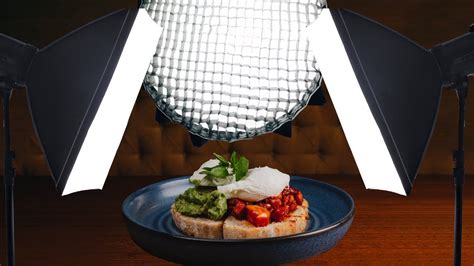
Before any food even enters the frame, the stage must be set, and lighting is the principal player. What looks like natural, effortless light streaming through a window is often the result of significant manipulation. Photographers spend considerable time scouting the best spot in their home, often a tiny corner of a kitchen or dining room, for optimal natural light. This might involve moving tables, chairs, and even large pieces of furniture just to get the angle right.
Once the natural light source is identified, it’s rarely enough. Reflectors (sometimes professional ones, sometimes just a piece of white foam board or aluminum foil) are positioned to bounce light into shadows, while diffusers (like sheer curtains or parchment paper) soften harsh rays. Artificial lights, from simple desk lamps to more complex LED panels, might be strategically placed to fill in dark spots or create a specific mood. The dance of adjusting, moving, and testing light sources can take far longer than the actual cooking.
Props, Surfaces, and the Art of Distraction
A perfect food shot isn’t just about the food; it’s about the entire scene. This means an often-vast collection of props – vintage plates, rustic cutting boards, an array of cutlery, linen napkins, tea towels, and countless bowls and cups in varying sizes and textures. Finding the right combination that complements the food without overpowering it is an art in itself.
Beyond the props, the background and surface are critical. A chipped kitchen counter might be fine for eating, but not for photography. Photographers often use an assortment of backdrops – painted plywood, weathered planks, large sheets of craft paper, or even simply a clean tablecloth – to create the desired aesthetic. The process involves laying out multiple options, testing them with the food, and often resulting in a messy pile of discarded surfaces and props just outside the frame.
The Culinary Deception: Styling Tricks
This is where the ‘unglamorous’ truly shines. While the food in homemade shots is usually edible, it’s often enhanced with tricks that would make a professional food stylist proud. Garnishes are meticulously placed with tweezers. A few drops of oil can make a sauce look glossier. Ice cream might actually be mashed potatoes to prevent melting under hot lights. Steam can be faked with cotton balls soaked in water and microwaved.
Sometimes, only a small, pristine portion of the food is prepared for the camera, while the rest remains unadorned. Think of a burger photo where each ingredient is stacked individually and held in place with toothpicks, or a pasta dish where only the top layer is perfectly sauced and garnished. The aim is not to deceive the viewer about the food’s taste, but to make its visual appeal irresistible. This meticulous arrangement can take an incredible amount of time and patience.
The Messy Reality and Endless Patience
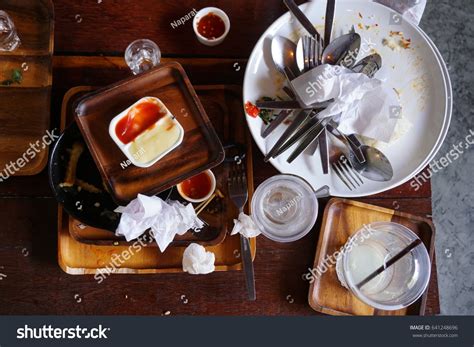
Behind every perfectly composed shot is often a scene of utter chaos. Spills are common, crumbs abound, and utensils are scattered. Food photographers constantly clean and re-clean surfaces, wipe away smudges, and rearrange elements between shots. The food itself might need reheating to look fresh, or cooling to prevent a dish from wilting. It’s a race against time and temperature.
Patience is perhaps the most unglamorous virtue required. A single ‘perfect’ shot can be the culmination of dozens, even hundreds, of attempts. The food might get cold, the lighting might shift, or a garnish might stubbornly refuse to cooperate. The photographer must remain calm, persistent, and ready to re-plate, re-style, and re-shoot until the vision is realized.
Post-Production: The Final Polish
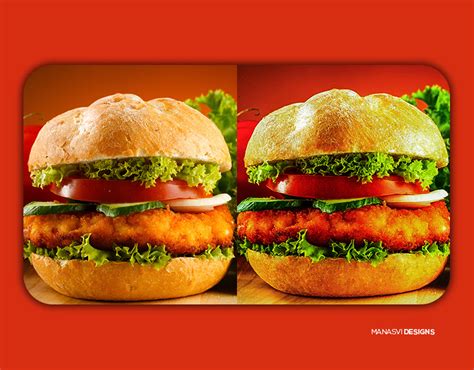
Even after the shutters click, the unglamorous work continues into the digital realm. Post-production isn’t just about slapping on a filter; it’s a careful process of refining. This includes adjusting exposure, white balance, and contrast to enhance the natural colors of the food, cropping for optimal composition, and removing any stray crumbs or imperfections that escaped the on-set cleanup. It’s the final layer of polish that transforms a great capture into a truly dazzling image.
Embracing the Process
Revealing the unglamorous prep behind perfect homemade food shots isn’t about shattering illusions; it’s about appreciating the journey. It highlights the skill, creativity, and sheer effort that goes into creating captivating visual content. So the next time you see a stunning food photo, take a moment to imagine the thoughtful lighting adjustments, the hidden props, the carefully placed garnishes, and the dedicated cleanup that all contributed to that moment of delicious perfection. It’s a testament to passion and the often-overlooked artistry of turning a meal into a masterpiece.