



Best methods for preserving a big garden harvest to stock the pantry from scratch?
Maximizing Your Bountiful Garden Harvest
The exhilaration of a thriving garden is often matched by the delicious dilemma of what to do with a huge harvest. When your counters are overflowing with tomatoes, peppers, beans, and berries, it’s time to think beyond immediate consumption and start preserving. Stocking your pantry from scratch not only saves money but also ensures you have wholesome, additive-free food year-round. Let’s dive into the best methods to turn your garden’s bounty into a pantry full of homemade treasures.
Canning: The Classic Pantry Staple
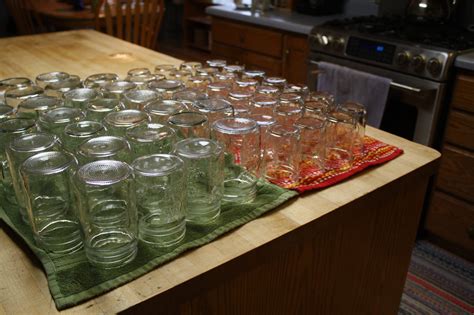
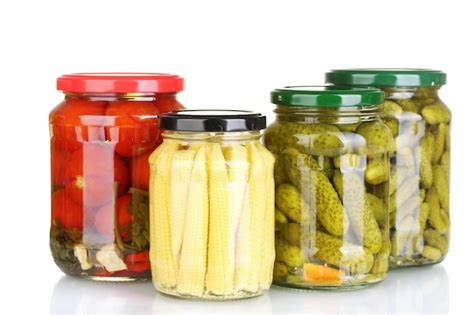
Canning is perhaps the most iconic method for long-term food preservation, offering shelf-stable jars of deliciousness. It involves sealing food in jars and heating them to destroy microorganisms and create a vacuum seal. There are two primary types of canning:
- Water Bath Canning: Ideal for high-acid foods like fruits, jams, jellies, pickles, and tomatoes (with added acid). It’s a relatively simple process, requiring a large pot, canning rack, jars, and basic tools.
- Pressure Canning: Essential for low-acid foods such as most vegetables, meats, and mixed recipes like soups. Pressure canners reach higher temperatures than water bath canners, ensuring the safety of these foods.
Proper sterilization, precise timing, and adherence to tested recipes are crucial for safe canning. The reward? A pantry brimming with colorful jars of homemade salsa, pickles, fruit preserves, and vegetables ready for winter meals.
Freezing: Quick, Convenient, and Versatile
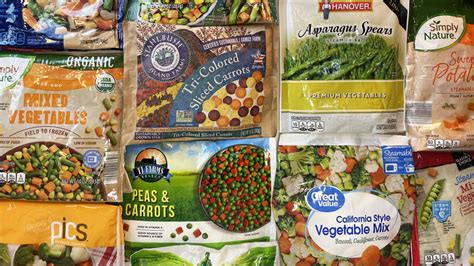
Freezing is one of the easiest and quickest ways to preserve the freshness of your garden produce. It’s excellent for maintaining the texture and flavor of many fruits and vegetables. Most vegetables benefit from blanching (briefly boiling then plunging into ice water) before freezing to stop enzyme action and preserve color, flavor, and nutrients.
- Vegetables: Blanch and freeze beans, corn, peas, broccoli, and spinach.
- Fruits: Flash-freeze berries, sliced peaches, or mangoes on a baking sheet before transferring to freezer bags to prevent clumping.
- Herbs: Chop herbs and freeze them in ice cube trays with a little water or oil.
- Purees & Sauces: Freeze tomato sauce, pesto, or fruit purees in freezer-safe containers or bags.
Ensure you use airtight containers or freezer bags to prevent freezer burn and label everything with the date.
Dehydrating: Lightweight and Concentrated Flavor
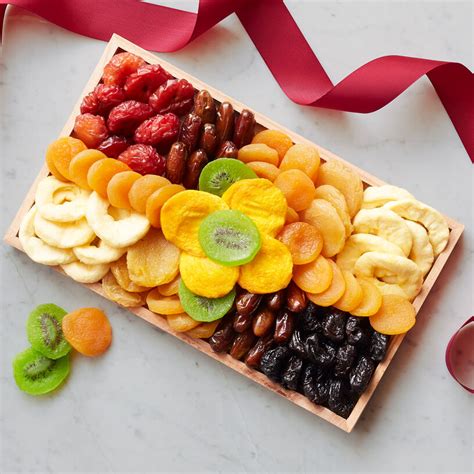
Dehydration removes water from food, inhibiting microbial growth and enzyme activity, resulting in lightweight, nutrient-dense ingredients. This method concentrates flavors, making dehydrated foods excellent for snacking, hiking, or adding to soups and stews. You can use a food dehydrator, your oven on its lowest setting, or even the sun in very dry climates.
- Fruits: Apples, bananas, berries, peaches, and plums make delicious dried snacks.
- Vegetables: Tomatoes, zucchini, carrots, and peppers can be rehydrated for cooking or powdered for seasonings.
- Herbs: Dry basil, oregano, thyme, and rosemary for long-term storage and use.
Proper storage in airtight containers away from light and moisture is key to preventing rehydration and spoilage.
Fermentation: Ancient Wisdom for Modern Pantries
Fermentation is an ancient preservation technique that uses beneficial bacteria to transform fresh produce into probiotic-rich, tangy delights. It’s a fantastic way to add complex flavors and health benefits to your diet.
- Sauerkraut: Shredded cabbage fermented with salt.
- Pickles: Cucumbers, carrots, or green beans fermented in a brine.
- Kimchi: A spicy Korean fermented cabbage dish.
Fermented foods often require minimal equipment – just jars, salt, and time – and offer a unique culinary experience.
Root Cellaring and Cool Storage: Nature’s Refrigerator
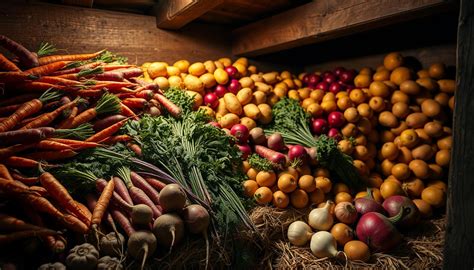
For certain crops, a simple cool, dark, and humid environment can extend their shelf life dramatically without any processing. This method is perfect for root vegetables and some fruits.
- Potatoes, Carrots, Beets: Store in bins with damp sand or sawdust in a cool, dark place.
- Onions, Garlic: Braid and hang in a cool, dry, well-ventilated area.
- Winter Squash: Store in a cool, dry place like a pantry shelf.
- Apples: Store in a cool, humid environment, often wrapped individually to prevent spoilage spread.
If you don’t have a traditional root cellar, a cool basement, unheated closet, or even a garage can serve the purpose for many items.
Building Your Pantry from Scratch: A Year-Round Feast
Combining these preservation methods allows you to build a diverse and resilient pantry. Imagine having homemade tomato sauce, frozen berries for smoothies, dried herbs for cooking, and tangy fermented pickles, all from your own garden. Remember to:
- Label Everything: Include the item and the date of preservation.
- Keep an Inventory: Know what you have and rotate your stock.
- Invest in Quality Equipment: Good tools make the process easier and safer.
- Follow Tested Recipes: Especially important for canning to ensure food safety.
Embracing these methods is more than just food storage; it’s a journey into self-sufficiency, culinary creativity, and the immense satisfaction of knowing exactly what goes into your family’s food.