


Natural ways to enrich garden soil for better veggie yields?
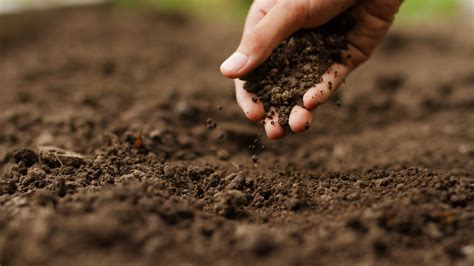
For any gardener, the secret to abundant and healthy vegetable harvests lies beneath the surface: in the soil. Rich, fertile soil provides the essential nutrients, structure, and microbial life that plants need to thrive. While chemical fertilizers offer a quick fix, natural methods build long-term soil health, creating a sustainable and productive garden ecosystem. Embracing these DIY techniques not only boosts your veggie yields but also contributes to a healthier environment.
Composting: The Foundation of Fertility
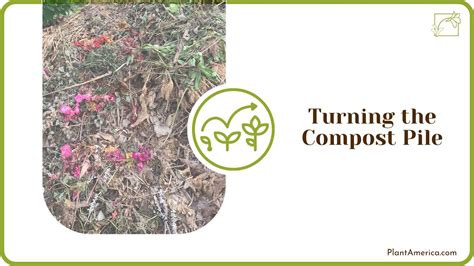
Compost is often called “black gold” for a reason. It’s the cornerstone of natural soil enrichment, transforming organic waste into a nutrient-rich soil amendment. Composting improves soil structure, aeration, and water retention, while slowly releasing a wide array of macro and micronutrients. Start a compost pile with kitchen scraps (vegetable peels, coffee grounds, eggshells), yard waste (leaves, grass clippings, small twigs), and shredded newspaper. Aim for a good mix of “greens” (nitrogen-rich) and “browns” (carbon-rich).
Regular turning helps aerate the pile and speeds up decomposition, resulting in a dark, crumbly, earthy-smelling material ready to be dug into garden beds or used as a top dressing.
Green Manures and Cover Crops
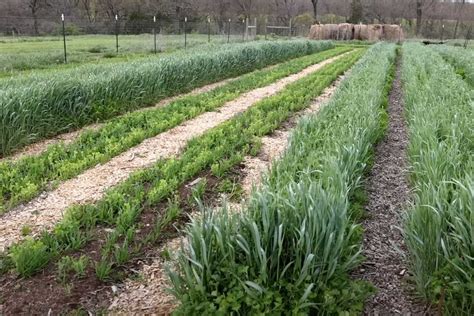
When garden beds are dormant, instead of leaving them bare, plant cover crops – often called “green manures.” These plants are not grown for harvest but specifically to improve the soil. Legumes like clover and vetch fix atmospheric nitrogen into the soil, while grasses such as rye and oats add significant organic matter. Their root systems also prevent erosion, suppress weeds, and break up compacted soil.
In spring, simply chop down the cover crops and incorporate them into the soil a few weeks before planting your vegetables. This process returns valuable nutrients and organic material directly to your garden beds.
Harnessing Organic Fertilizers and Amendments
Beyond compost, various organic materials can provide targeted nutrient boosts. Worm castings (vermicompost) are a highly concentrated, biologically active amendment packed with microbes and nutrients. Bone meal is excellent for phosphorus, promoting strong root and flower development, while blood meal offers a nitrogen boost for leafy growth. Kelp meal provides a broad spectrum of micronutrients and growth hormones.
Before applying, it’s wise to conduct a soil test to understand your specific soil deficiencies. This helps you apply the right amendments precisely where they’re needed, avoiding imbalances.
Mulching for Soil Health and Retention
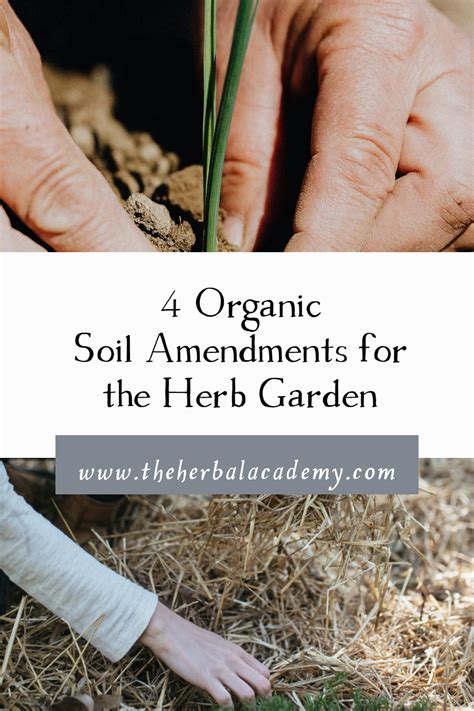
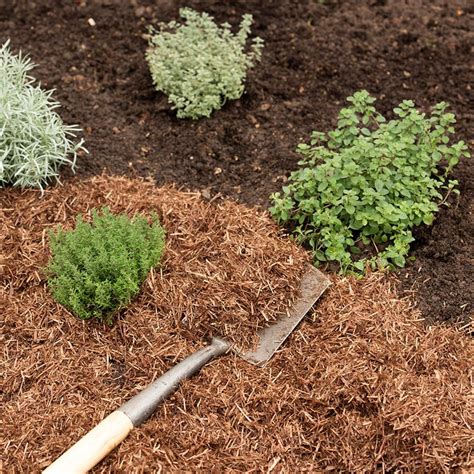
Mulching is a simple yet powerful technique for enriching soil and improving growing conditions. A 2-4 inch layer of organic mulch – such as straw, shredded leaves, wood chips, or grass clippings – spread around your vegetable plants offers numerous benefits. It conserves soil moisture, suppresses weeds, and moderates soil temperature. As organic mulches decompose, they slowly add humus and nutrients back into the soil, feeding the microbial life below.
Regularly replenishing your mulch layer ensures continuous soil improvement and reduces the need for frequent watering and weeding, allowing your vegetables to focus their energy on growth and fruit production.
The Power of Crop Rotation
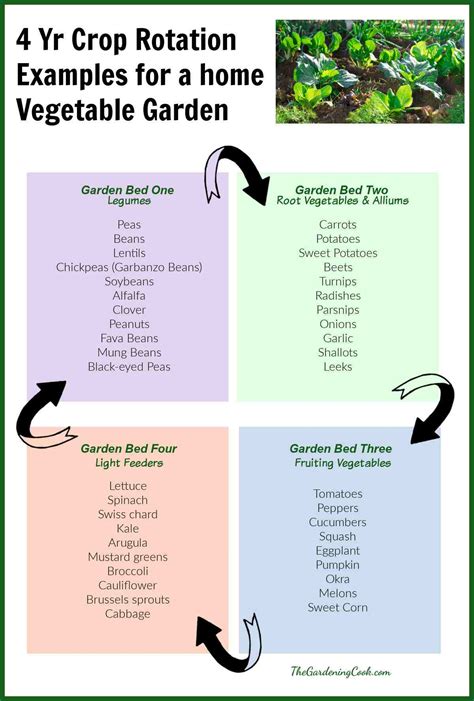
While not a direct amendment, crop rotation is a crucial practice for maintaining soil health and fertility over time. Planting the same vegetables in the same spot year after year can deplete specific nutrients and encourage the buildup of pests and diseases specific to those plants. By rotating different plant families (e.g., leafy greens, root vegetables, fruiting plants, legumes) through different beds each season, you help balance nutrient uptake and disrupt pest cycles.
This practice ensures a more diverse microbial community in the soil and reduces the reliance on external inputs, making your garden more resilient and productive in the long run.
Enriching your garden soil naturally is an ongoing, rewarding process. By incorporating composting, cover cropping, smart organic amendments, mulching, and crop rotation into your routine, you’ll cultivate a vibrant, living soil that supports robust, healthy vegetable plants and delivers impressive yields year after year. These sustainable practices not only benefit your garden but also connect you more deeply with the natural cycles of growth and renewal.