



Easy ways to teach kids gardening for family’s real food meals?

Introducing children to the joy of gardening is more than just a fun activity; it’s a powerful way to connect them with where their food comes from. In an age where processed foods often dominate, teaching kids to grow their own ‘real food’ can transform their eating habits and foster a deeper appreciation for healthy meals. Imagine the pride on their faces as they eat vegetables they’ve nurtured from seed to plate!
Start Small and Simple
You don’t need a sprawling backyard or extensive knowledge to begin. The key is to make it manageable and exciting for young learners. Begin with easy-to-grow plants that yield quick results, which helps keep children engaged and prevents discouragement.
- Container Gardens: Balconies, patios, or even windowsills can host a thriving mini-garden. Use pots, old tires, or repurposed containers.
- Fast Growers: Radishes, lettuce, spinach, bush beans, cherry tomatoes, and snap peas sprout quickly and are relatively low-maintenance. Sunflowers are also excellent for their dramatic growth and edible seeds.
- Herbs: Mint, basil, and parsley are fragrant, easy to grow, and can be used in many family dishes, offering instant gratification.

Make it Fun and Engaging
Gardening should feel like an adventure, not a chore. Incorporate elements that appeal to a child’s natural curiosity and desire to play.
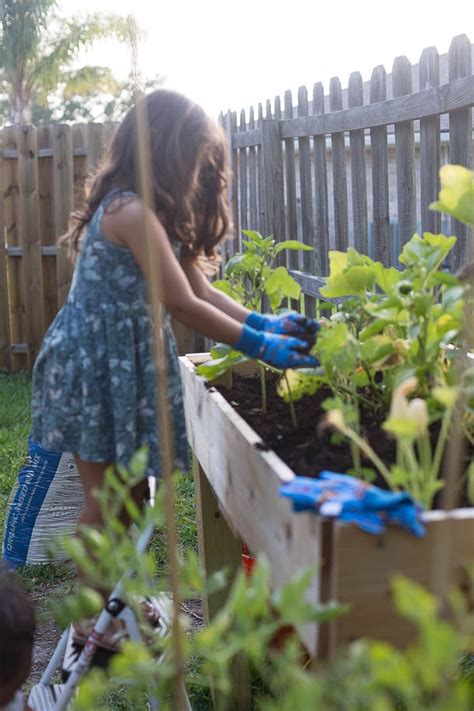
- Kid-Friendly Tools: Provide small, sturdy gardening gloves and hand tools. Let them have their own watering can. These small touches make them feel like real gardeners.
- Sensory Exploration: Encourage them to touch the soil, smell the herbs, observe the insects, and taste the produce. Gardening is a full sensory experience.
- Theme Gardens: Create a ‘pizza garden’ with tomatoes, basil, and oregano, or a ‘salad garden’ with various lettuces and cucumbers. This gives them a clear goal and purpose.
Connect the Garden to the Table
The ultimate goal is to bridge the gap between growing and eating. When children actively participate in the entire process, they are far more likely to try and enjoy the fruits (and vegetables) of their labor.
- Harvest Together: Make harvesting a special event. Show them how to properly pick ripe vegetables and explain why it’s important for the plant.
- Cook Together: Involve them in washing, chopping (age-appropriate), and preparing meals with their garden produce. A simple salad, a fresh salsa, or a stir-fry made with ‘their’ vegetables will taste extra special.
- Storytelling: Talk about the journey of the plant, from tiny seed to delicious meal. This reinforces the connection and value of their efforts.

Embrace Imperfection and Learning
Gardening isn’t always perfect. Plants might not grow, pests might appear, and harvests can be small. These moments are invaluable learning opportunities.
- Problem-Solving: Discuss why a plant isn’t thriving and brainstorm solutions together. It teaches resilience and critical thinking.
- Patience: Gardening teaches children to be patient and understand natural cycles. Not everything happens instantly.
- Appreciation: Even a small yield can be celebrated. It helps children understand the effort involved in producing food and reduce waste.

Teaching kids to garden for real food meals is a holistic experience that nurtures their minds, bodies, and spirits. It builds life skills, encourages healthy eating, and creates lasting family memories centered around nature and nourishment. So, grab some seeds, find a sunny spot, and let the adventure begin!