





DIY chicken coop predator-proofing for foxes & raccoons?

The Battle for Backyard Flock Safety: Outsmarting Foxes and Raccoons
For many backyard chicken keepers, the joy of fresh eggs comes with the constant vigilance against cunning predators. Among the most common and persistent threats are foxes and raccoons, known for their intelligence, strength, and ability to exploit the slightest weakness in a coop’s defenses. A truly predator-proof coop isn’t just about keeping chickens in; it’s about keeping unwanted visitors out. This guide will walk you through essential DIY strategies to fortify your chicken coop against these formidable foes.

Understanding Your Adversaries: Foxes and Raccoons
Before you can effectively predator-proof, you need to understand the threats. Foxes are notorious diggers and opportunistic hunters, capable of digging under fences in minutes or squeezing through surprisingly small gaps. They are primarily nocturnal but will hunt during the day if the opportunity arises. Raccoons, on the other hand, are incredibly dexterous, intelligent, and strong. They can open simple latches, climb with ease, and will tear through flimsy materials to get to your birds or their eggs. Both are primarily nocturnal and persistent.
Foundation First: Preventing Dig-Ins
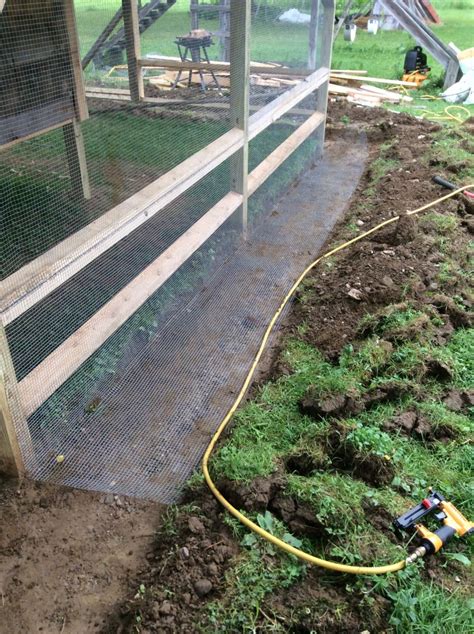
One of the most critical vulnerabilities for any chicken coop is its foundation. Foxes and raccoons will test the perimeter by digging. The best defense is a buried hardware cloth apron. Dig a trench at least 12-18 inches deep and 12 inches wide around the entire coop and run. Bury 1/2-inch or 1/4-inch hardware cloth vertically, bending the bottom 6 inches outwards in an “L” shape away from the coop. This horizontal apron prevents digging animals from tunneling directly under the fence. Fill the trench back in with dirt or rocks.
Building an Impenetrable Fortress: Walls and Roof
Chicken wire, while great for keeping chickens in, is often insufficient for keeping predators out. Its thin gauge can be easily ripped or chewed through by determined predators. Instead, use 1/2-inch or 1/4-inch hardware cloth for all openings and ventilation points. Hardware cloth is much stronger and more resistant to chewing and tearing. Ensure all wooden walls are sturdy and free of rot or large cracks. For the roof, solid wood or metal sheeting is ideal. If you have an open-top run, cover it completely with hardware cloth or a strong netting designed for predator exclusion, as raccoons are excellent climbers.

Secure Latches: The Raccoon’s Bane
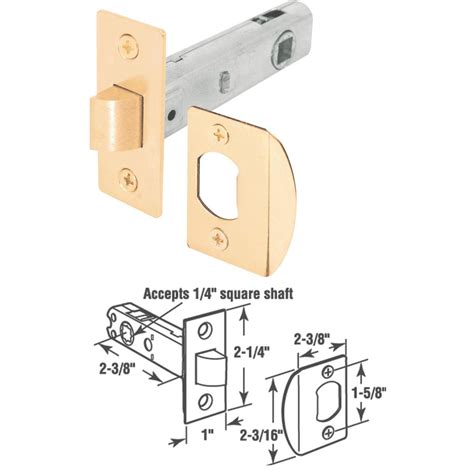
Raccoons are known for their ability to manipulate latches. Simple hook-and-eye or swivel latches are no match for their nimble paws. Upgrade to predator-proof latches such as barrel bolts with a carabiner clip, combination locks, or spring-loaded gate latches that require a human-like grip and pull to open. Install these on all doors, gates, and nesting box access points. Consider adding multiple latches on larger doors for extra security.
Nighttime Vigilance and Other Deterrents
Most predator attacks occur under the cover of darkness. Make it a strict routine to close and securely latch all coop doors and windows every evening at dusk. Motion-sensor lights can startle curious predators, making them reconsider approaching your coop. While not foolproof, they add another layer of defense. For severe predator problems, a low-voltage electric fence installed around the perimeter of the run can be a highly effective deterrent, teaching persistent animals to stay away without harming them.
Eliminating Attractants and Regular Inspections
Preventing predators is also about not inviting them in. Store chicken feed in airtight, predator-proof containers (metal bins with secure lids are best). Clean up spilled feed promptly. Remove any fallen fruit from nearby trees. Regularly inspect your coop and run for any signs of wear and tear, loose hardware cloth, or potential new entry points. Predators are always scouting for weaknesses.

Your DIY Predator-Proofing Checklist
- Bury hardware cloth apron around the entire perimeter (12-18 inches deep, 12 inches out).
- Replace chicken wire with 1/2-inch or 1/4-inch hardware cloth on all openings.
- Ensure sturdy walls and a solid, secure roof.
- Install predator-proof latches (barrel bolts with clips, combination locks) on all access points.
- Implement a strict nighttime lockdown routine.
- Consider motion-sensor lights or an electric fence for added protection.
- Store feed securely and maintain coop cleanliness.
- Perform regular inspections for vulnerabilities.
Conclusion
Predator-proofing your chicken coop is an ongoing commitment, but the peace of mind it provides for you and the safety it ensures for your flock are well worth the effort. By understanding the capabilities of foxes and raccoons and implementing robust DIY defenses, you can create a secure haven for your feathered friends. Stay vigilant, inspect regularly, and enjoy the rewards of a happy, healthy flock.