





Tips for updating old family recipes with modern, real food ingredients?

Embracing the Evolution of Family Flavors
Family recipes are more than just instructions on a card; they’re edible heirlooms, imbued with memories, stories, and the flavors of generations past. While their nostalgic value is immense, many older recipes predate our modern understanding of nutrition and the availability of diverse, real food ingredients. Updating these culinary treasures with healthier alternatives can be a rewarding journey, allowing you to enjoy beloved dishes with improved nutritional value without sacrificing their cherished taste.
The goal isn’t to erase history but to adapt it, ensuring these recipes can continue to be enjoyed by current and future generations with health and wellness in mind. It’s about making conscious choices to swap out refined sugars, unhealthy fats, and processed components for whole, nutrient-dense ingredients.
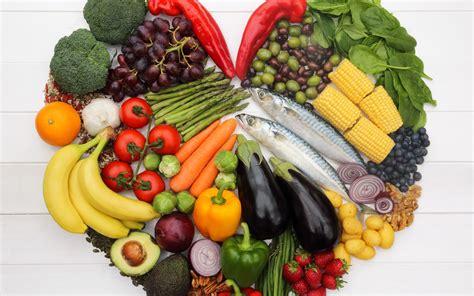
Key Ingredient Swaps for a Healthier Foundation
The foundation of many old recipes often relies on ingredients that we now know contribute less to our well-being. Here’s where to start making impactful changes:
1. Sweeteners: Ditch the Refined Sugar
Many classic desserts and even savory dishes call for significant amounts of white granulated sugar. Consider these swaps:
- Maple Syrup or Honey: Use about 2/3 to 3/4 the amount of sugar called for, as they are often sweeter.
- Date Paste or Fruit Purees: Great for adding natural sweetness and fiber to baked goods.
- Stevia or Monk Fruit: If you’re looking for zero-calorie options, but be mindful of their intense sweetness and potential aftertaste.
2. Grains: Go Whole
White flour and white rice are common culprits in older recipes. Modernizing means opting for whole grain alternatives:
- Whole Wheat Flour: Can often be substituted for up to 50% of all-purpose flour in baking without drastic changes in texture. For a lighter texture, try whole wheat pastry flour.
- Oat Flour: A great gluten-free option for many baked goods, adding a subtle nutty flavor.
- Brown Rice, Quinoa, or Farro: Replace white rice in side dishes, casseroles, or stuffings.
3. Fats: Choose Wisely
Shortening, margarine, and highly processed vegetable oils were once kitchen staples. Healthier fats are now readily available:
- Butter (in moderation): If dairy isn’t an issue, good quality grass-fed butter is a far better choice than margarine.
- Avocado Oil: High smoke point, neutral flavor, great for sautéing and roasting.
- Olive Oil: Best for lower-heat cooking, dressings, and finishing.
- Coconut Oil: Can be used in baking or for frying, adds a subtle tropical note.

4. Processed Ingredients: Embrace Fresh & Homemade
Canned soups, bouillon cubes, and pre-packaged mixes often contain high levels of sodium, artificial flavors, and preservatives. Seek fresh alternatives:
- Homemade Broth: Easy to make and far more flavorful than store-bought.
- Fresh Herbs & Spices: Amp up the flavor naturally, reducing the need for excess salt.
- Homemade Sauces: A simple tomato sauce from scratch beats a canned version any day.
- Fresh Vegetables: Add extra veggies to casseroles, stews, and side dishes for a nutritional boost.

Strategies for Successful Recipe Transformation
Start Small and Gradually Adjust
Don’t overhaul a recipe entirely on the first try. Begin with one or two key swaps. For example, replace half the white sugar with maple syrup, or substitute 25% of the all-purpose flour with whole wheat. This allows you to assess the impact on flavor and texture.
Taste and Season Liberally
When you’re reducing sugar or fat, you might need to adjust other seasonings. Herbs, spices, citrus zest, and a touch of quality salt can deepen flavors naturally. Taste as you go, especially with savory dishes.
Understand the Role of Ingredients
Before swapping, consider what each ingredient contributes. Sugar isn’t just for sweetness; it also aids in browning and moisture. Fats contribute tenderness and flavor. Researching common substitutions can help prevent baking failures.
Embrace Texture Changes
Whole grains often result in denser baked goods. Natural sweeteners might yield a less crisp cookie. Be open to these minor textural shifts as part of the healthier update.

Preserving the Heart of the Dish
The true magic of a family recipe lies in its essence – the unique combination of flavors and aromas that evoke a sense of home. When updating, focus on retaining these core elements. If your grandmother’s stew was famous for its sage and thyme, ensure those flavors still shine through, even if you’ve swapped out the beef for lean chicken and added more root vegetables.
Don’t be afraid to experiment, but always remember the original spirit of the dish. Involve other family members in the process; their feedback can be invaluable in ensuring the updated version still feels familiar and beloved. Document your changes, noting what worked and what didn’t, creating a new legacy for your family’s culinary traditions.

Conclusion: A New Chapter for Old Favorites
Updating old family recipes with modern, real food ingredients is a testament to love – love for family, love for tradition, and love for health. It’s a creative and fulfilling way to honor the past while nurturing the future. With thoughtful swaps and a willingness to experiment, you can transform these cherished dishes into healthier versions that continue to bring joy and nourishment to your table for generations to come.