



How do you inspire kids to value homemade food & country living?

Cultivating a Love for Real Food and Rural Roots
In a world increasingly driven by convenience and digital distractions, inspiring children to appreciate the simple richness of homemade food and the grounded serenity of country living can feel like an uphill battle. Yet, instilling these values offers profound benefits, fostering healthier eating habits, a deeper connection to nature, and a stronger sense of self-sufficiency. It’s about more than just meals and landscapes; it’s about nurturing a lifestyle that values authenticity and hard work.
The Kitchen as a Classroom and Playground
Get Them Involved in Cooking
The easiest way to teach kids about food is to let them participate in its creation. From toddlers stirring ingredients to older children chopping vegetables (with supervision!), hands-on experience demystifies food and makes them more likely to try new things. Start with simple recipes: baking bread, making pasta from scratch, or preparing a family salad. Discuss where ingredients come from and the effort involved in preparing a meal. This not only builds practical skills but also a sense of accomplishment and pride.
Grow Your Own
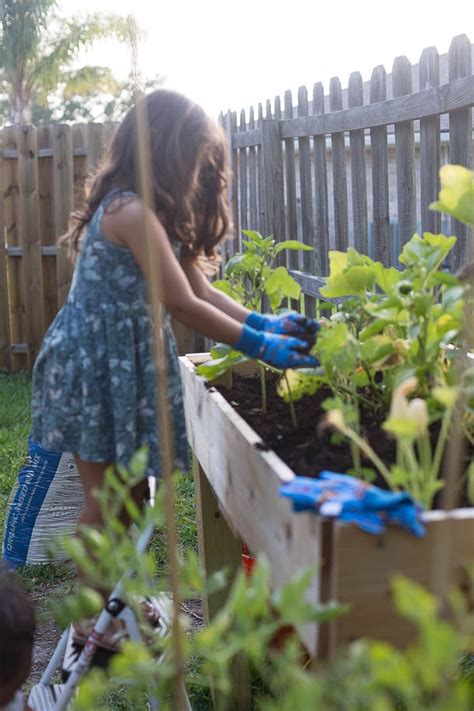
There’s nothing quite like harvesting food you’ve grown yourself. Even a small container garden on a balcony or a few raised beds in the backyard can provide invaluable lessons. Kids learn about cycles of nature, patience, and the direct link between effort and reward. They’re also far more likely to eat vegetables they’ve tended themselves. If a garden isn’t feasible, visiting local pick-your-own farms offers a similar experience, bridging the gap between farm and table.

Embracing the Outdoors and Rural Life
Connect with Nature
Country living inherently means a closer relationship with the natural world. Encourage children to explore: hike trails, build forts, identify plants and animals, or simply spend unstructured time playing outside. These experiences build resilience, creativity, and a profound respect for the environment. Point out the sources of food in nature – fruit trees, berry bushes, or even wild edibles (with proper identification).
Visit Farms and Markets
Regular trips to farmers’ markets, local farms, or even agricultural fairs can be incredibly educational. Kids can meet farmers, learn about different crops and livestock, and see firsthand the journey of food from the land to the plate. This connection makes abstract concepts like “local” and “seasonal” tangible and meaningful. It also helps them understand the hard work involved in food production.

Learning Through Experience and Storytelling
Storytelling and Shared Experiences
Share stories of your own childhood memories involving homemade food or country experiences. Read books about farm life, gardening, or simple living. Create family traditions around food preparation or outdoor activities. These narratives and shared moments build a powerful emotional connection to these values, making them feel like a cherished part of their family identity rather than a chore or a lesson.
Hands-On Projects Beyond the Kitchen
Extend the hands-on learning beyond cooking. Engage them in small homesteading projects like composting, collecting rainwater, or even simple woodworking. These activities teach practical skills, foster self-reliance, and demonstrate how country living often involves a holistic approach to sustainability and resourcefulness.
Leading by Example and Cultivating Gratitude
Ultimately, children learn most effectively by observing their parents. If you genuinely value and enjoy cooking homemade meals, spend time outdoors, and appreciate the simple rhythms of nature, your children are more likely to adopt these perspectives. Make homemade food a joyful family ritual, not a burden. Embrace outdoor adventures with enthusiasm. Discuss the importance of sustainability and gratitude for the food we eat and the land we live on.

Building a Foundation for Life
Inspiring children to value homemade food and country living is a journey, not a destination. It requires patience, consistency, and a willingness to get a little messy. But by integrating these principles into daily life through active participation, exposure to nature, and leading by example, you can cultivate a generation that appreciates the profound beauty and sustenance found in simple, authentic living. These are not just skills; they are values that will serve them well throughout their lives, fostering health, resilience, and a deep appreciation for the world around them.