




Easy no-dig garden setup for organic homegrown food?
Discover the Simplicity of No-Dig Gardening
Dreaming of fresh, organic vegetables and herbs right from your backyard, but intimidated by the thought of heavy digging and constant weeding? Enter the no-dig garden – a revolutionary approach to cultivating bountiful produce with minimal effort and maximum respect for your soil.
This method, popularized by organic gardening pioneers, focuses on building healthy soil layers from the top down, rather than disturbing it. It’s an ideal solution for beginners and experienced gardeners alike, promising higher yields, healthier plants, and significantly less back-breaking work.

Why Choose the No-Dig Method?
The benefits of a no-dig garden are numerous and impactful:
- Improved Soil Health: By not disturbing the soil, you preserve its intricate structure, beneficial microorganisms, and fungal networks crucial for plant nutrition and disease resistance.
- Reduced Weeds: The initial layers of cardboard and thick mulch effectively smother existing weeds and prevent new ones from germinating, drastically cutting down on weeding time.
- Water Conservation: Thick layers of organic matter act like a sponge, retaining moisture and reducing the need for frequent watering.
- Less Physical Effort: Say goodbye to tilling, double-digging, and endless hoeing. This method is gentle on your body.
- Bountiful Organic Harvests: Healthy soil leads directly to healthier, more productive plants, giving you a steady supply of nutrient-rich, organic food.
Gather Your Materials
Setting up your no-dig garden requires a few key components, many of which can be sourced affordably or even free:
- Cardboard: Untreated, undyed cardboard boxes (remove all tape and labels). This forms the weed-suppressing base.
- Compost: Good quality, well-rotted compost is the heart of your garden. Aim for a generous amount.
- Mulch: Straw, aged wood chips, shredded leaves, or grass clippings (ensure they are pesticide-free).
- Organic Amendments (Optional): Aged manure, seaweed, rock dust, or other slow-release organic fertilizers can enrich your soil further.
- Water Source: Easy access to water is essential.
Step-by-Step No-Dig Garden Setup
1. Choose Your Location
Select a sunny spot that receives at least 6-8 hours of direct sunlight daily. Ensure it’s relatively flat and has easy access to a water source. You can create a no-dig bed directly on grass, weeds, or even a patio.
2. Prepare the Base Layer
Lay down a thick layer of flattened cardboard directly over the chosen area. Overlap the edges significantly to prevent weeds from popping through. Wet the cardboard thoroughly to help it settle and begin breaking down.

3. Add Nutrient-Rich Layers
This is where the magic happens. Start layering your organic materials:
- First Layer (Optional but Recommended): A thin layer of aged manure or nutrient-rich soil if you have it.
- Main Layer: Add a substantial layer (6-12 inches) of high-quality compost. This is where your plants will primarily grow and thrive.
- Additional Organic Matter: If you have it, add layers of straw, shredded leaves, or grass clippings, alternating with thin layers of compost. Aim for a total bed height of at least 12-18 inches to begin with, as it will settle.

4. Plant Your Crops
Once your layers are in place, you can plant immediately! Gently create small depressions in the top layer of compost and plant your seedlings or sow seeds directly. Water thoroughly after planting.
5. Mulch and Maintain
Apply a 2-4 inch layer of straw or other chosen mulch over the entire bed, taking care not to smother young seedlings. This helps retain moisture, suppress weeds, and regulate soil temperature. Throughout the season, replenish the mulch and add more compost as needed to maintain soil health and fertility.
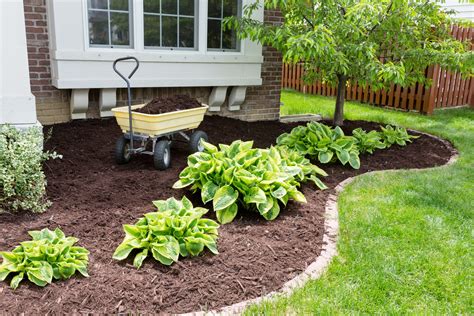
Embrace Your Organic Harvest
With your no-dig garden established, you’ll soon be enjoying a continuous supply of fresh, organic produce. The beauty of this method lies in its simplicity and its ability to create a self-sustaining ecosystem right in your backyard. Your soil will become richer, your plants healthier, and your gardening efforts more rewarding than ever before.
Start small, observe, and expand as your confidence grows. The journey to homegrown organic food begins with a simple decision – to dig less and grow more.