





What are simple ways to preserve garden bounty when adapting homemade recipes?

Embracing the Harvest: Why Preserve?
There’s a unique satisfaction in harvesting fresh produce from your garden – the vibrant colors, the rich aromas, and the unparalleled flavor. However, a bountiful harvest often means a race against time to consume everything before it spoils. Learning simple preservation techniques not only reduces waste and saves money but also allows you to enjoy the taste of your garden throughout the year, injecting seasonal goodness into your homemade recipes regardless of the calendar.
Preserving your garden’s yield doesn’t require complex equipment or advanced culinary skills. Many methods are straightforward and can be easily incorporated into a home cook’s routine, transforming fleeting freshness into enduring pantry staples.

Core Preservation Techniques for the Home Cook
Let’s explore some of the most accessible and effective ways to preserve your garden bounty, keeping the home chef in mind.
Freezing: The Go-To Method
Freezing is arguably the simplest and most versatile preservation method for many fruits and vegetables. Most vegetables benefit from a quick blanching (brief boiling followed by an ice bath) before freezing to halt enzyme action, preserving color, flavor, and nutrients. Fruits, on the other hand, can often be frozen raw, either whole, sliced, or pureed.
- Vegetables: Blanch chopped green beans, broccoli florets, peas, or corn kernels. Spread on a baking sheet to freeze individually, then transfer to freezer bags.
- Fruits: Freeze berries whole on a tray, then bag them. Slice peaches or apples and freeze with a little lemon juice to prevent browning.
- Herbs: Chop herbs and freeze in ice cube trays with a little water or olive oil.
Frozen produce retains much of its nutritional value and can be added directly to soups, stews, smoothies, or baked goods.

Drying: Intensifying Flavors
Drying removes moisture, concentrating flavors and greatly extending shelf life. This method is fantastic for herbs, certain fruits, and even some vegetables like tomatoes or peppers.
- Herbs: Air dry bundles of herbs in a cool, dark place, or use a dehydrator/oven on its lowest setting. Once brittle, crumble and store in airtight containers.
- Fruits: Thinly slice apples, pears, or berries and dry them in a dehydrator or oven.
- Tomatoes: Make ‘sun-dried’ tomatoes by halving cherry tomatoes or slicing larger ones, then drying them until leathery.
Quick Pickling & Fermentation: Tangy Delights
While traditional canning can be complex, quick pickling and basic fermentation offer easy ways to add a tangy twist to your harvest.
- Refrigerator Pickles: Slice cucumbers, carrots, or green beans and pack into jars with a hot brine of vinegar, water, salt, and spices. Store in the fridge for several weeks.
- Basic Sauerkraut: Shred cabbage, salt it, and massage until liquid forms. Pack tightly into a jar, ensuring it’s submerged in its own brine, and let it ferment at room temperature for a few days to a week.
Water Bath Canning (for High-Acid Foods): Jams & Sauces
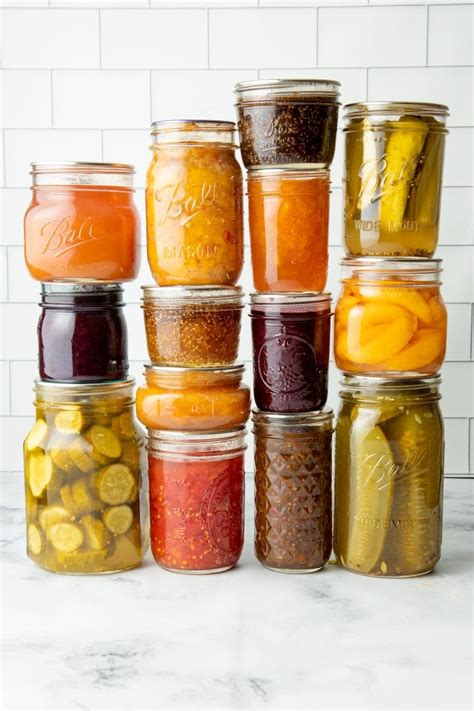
Water bath canning is suitable for high-acid foods like fruits, jams, jellies, and acidified tomatoes. It’s a great way to create shelf-stable preserves.
- Jams and Jellies: Cook down fruits with sugar and pectin, then seal in sterilized jars using a water bath canner.
- Tomato Sauce: Cook tomatoes into a sauce, adding lemon juice or citric acid to ensure sufficient acidity, then process in a water bath canner.
Seamlessly Adapting Recipes with Preserved Ingredients
The beauty of preserving your bounty lies in its ability to transform everyday cooking. Here’s how to seamlessly integrate these ingredients into your homemade recipes:
Substituting Frozen Produce
Frozen vegetables and fruits are often direct substitutes for fresh in many recipes. For soups, stews, casseroles, and smoothies, simply add them directly from the freezer. For dishes where texture is key (like stir-fries), you might want to thaw them slightly and drain any excess liquid to prevent sogginess. Remember that frozen items may cook faster than fresh equivalents.
Incorporating Dried Herbs & Veggies
Dried herbs have a more concentrated flavor than fresh, so use about one-third the amount called for. For dried vegetables like tomatoes, rehydrate them by soaking in warm water or broth for 15-30 minutes before adding to sauces, salads, or pasta dishes. They add a deep, umami-rich flavor.
Cooking with Pickled & Fermented Foods
Pickled vegetables add a wonderful tang and crunch. Use them in sandwiches, salads, as a side dish, or finely chop them to add a zesty element to sauces and dressings. The brine from pickles can also be used in marinades or salad dressings for an extra flavor kick. Fermented foods like sauerkraut are excellent additions to stews, roasted meats, or simply enjoyed as a probiotic-rich side.
Using Canned Goods in Dishes
Canned fruits and vegetables, especially homemade tomato sauces, are perfect for winter cooking. Use canned tomatoes as the base for pasta sauces, chilis, or stews. Canned fruit can be used in pies, crumbles, or as a topping for yogurt and oatmeal. Always drain and rinse canned vegetables if you want to reduce their sodium content.

Tips for Successful Garden Bounty Integration
- Start Small: Don’t feel pressured to preserve your entire harvest at once. Begin with a few favorite items and build your confidence.
- Label Everything: Always label your preserved goods with the date and contents. This ensures you use them within their optimal timeframe.
- Think Purees and Blends: Pureeing surplus vegetables (like zucchini, pumpkin, or tomatoes) before freezing can create versatile bases for soups, sauces, and baked goods.
- Experiment: Don’t be afraid to try new preservation methods or experiment with different recipes. The joy of homemade cooking is in the discovery!
Conclusion
Preserving your garden bounty is a rewarding endeavor that extends the life and enjoyment of your hard-earned produce. By incorporating simple techniques like freezing, drying, pickling, and basic canning, you can easily adapt your homemade recipes to feature the fresh, vibrant flavors of your garden all year long. Embrace these methods, and your pantry will soon be a testament to your gardening success and culinary creativity.