



How do you get kids to love gardening & eat real food from our country kitchen?

In a world often dominated by screens and processed snacks, connecting children with the source of their food is more vital than ever. For families living a country life, the garden and kitchen offer unparalleled opportunities to teach valuable lessons, cultivate healthy habits, and create lasting memories. But how do you turn gardening and cooking into exciting adventures rather than chores for little ones? It’s all about making it fun, hands-on, and utterly delicious!
The Magic of the Garden: Why Involve Kids?
Bringing children into the garden isn’t just about growing vegetables; it’s about nurturing curiosity, responsibility, and a deep appreciation for nature. From the moment they plant a tiny seed to the joy of harvesting their first ripe tomato, kids learn about life cycles, patience, and the incredible effort that goes into producing food. This direct connection transforms abstract concepts into tangible experiences, making healthy eating a natural outcome rather than a forced choice.

Cultivating Little Green Thumbs: Garden Activities
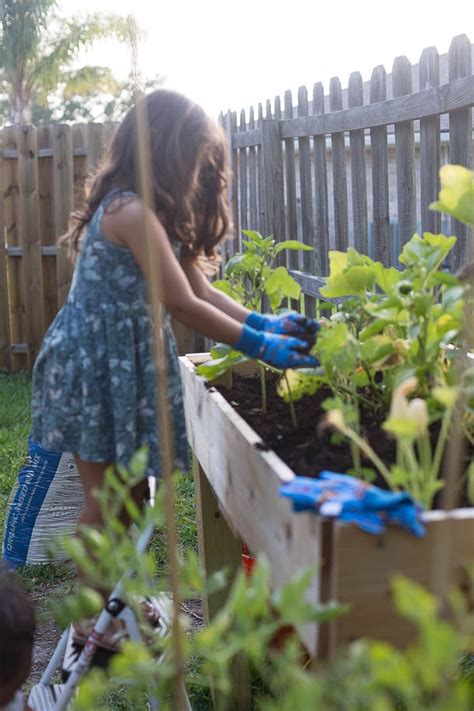
Start small and keep it simple. Dedicate a small plot, a raised bed, or even a few pots as “their garden.” Let them choose what they want to grow – kid-friendly options like cherry tomatoes, snap peas, radishes, or strawberries are often big hits due to their quick growth and appealing taste. Provide child-sized tools, and assign age-appropriate tasks: watering with a small can, digging holes for seeds, or picking ripe berries. Emphasize observation, like spotting tiny bugs or watching plants grow taller each day.
Turn gardening into a sensory experience. Encourage them to smell the herbs, feel the soil, and taste a fresh pea pod straight from the vine. This engagement builds a positive association with fresh produce long before it reaches the dinner plate.
From Soil to Plate: Kitchen Adventures
Once the harvest begins, the country kitchen becomes the next classroom. Involving kids in meal preparation is key to making them enthusiastic eaters. Assign tasks suitable for their age: washing vegetables, tearing lettuce, stirring ingredients, or even mashing potatoes. Older children can help chop soft items with kid-safe knives, measure ingredients, or learn simple cooking techniques.
Focus on recipes that highlight your garden’s bounty. A fresh tomato sauce from homegrown tomatoes, a vibrant salad with crisp lettuce and cucumbers, or a batch of strawberry jam from their own picked berries are all incredibly satisfying for children to create and then consume. The pride of eating something they helped grow and prepare is a powerful motivator for trying new foods.
Making the Connection: The Farm-to-Table Journey
The real magic happens when kids connect their garden efforts directly to the food on their plate. Regularly talk about where the food comes from. “Remember those tiny seeds we planted? Look, now they’re delicious beans for our dinner!” This narrative reinforces the value of fresh food and the hard work involved. Encourage taste tests and let them describe the flavors and textures. Celebrate every harvest and every meal cooked together.

By transforming gardening and cooking into engaging, joyful experiences, you’re not just feeding your children; you’re nurturing a lifelong love for wholesome food, the environment, and the incredible satisfaction of creating something with their own hands. From the rich soil of your country garden to the warmth of your kitchen, these shared moments will grow into cherished memories and healthier habits for years to come.