


How to make messy ‘real food’ BTS engaging & instructional, not just chaotic?

Embrace the Authentic Mess, Strategically
The allure of “real food” behind-the-scenes (BTS) content lies in its authenticity. Viewers crave a glimpse into the unfiltered process—the flour dust, the splatters, the hurried movements. This rawness builds trust and relatability, moving beyond the perfectly curated final product. However, the line between authentic and unwatchably chaotic can be thin. The key is to embrace the mess but present it in a way that serves a purpose, making it both engaging and instructional.
Don’t shy away from showing the less-than-perfect moments. A dropped ingredient, a struggle with a tricky technique, or the general disarray of a busy kitchen can humanize your content creator and make the journey feel more relatable. The trick is to ensure these moments contribute to the narrative rather than detract from it.

Strategic Storytelling: Guiding the Gaze
Even in a seemingly chaotic environment, your BTS content needs a story. What is the viewer meant to learn or feel? Is it about the passion behind the dish, a specific challenging technique, or the sheer volume of work involved? Defining your narrative beforehand will help you structure your shots and editing.
Pre-Production Planning is Key
Before the first ingredient is measured, have a rough plan. Identify key moments: the beginning of a complex step, a particularly messy but crucial process, or the moment of a breakthrough. A simple shot list can help ensure you capture these essential beats without stifling the spontaneity of real-time cooking. Think about the instructional elements you want to highlight—perhaps a specific chopping technique or how to achieve a perfect sear.
Visual Clarity Amidst the Chaos
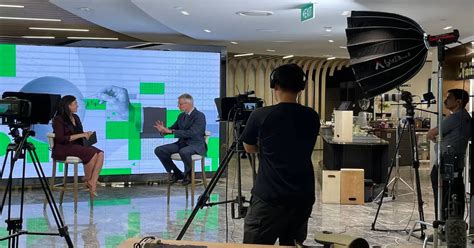
While the kitchen might be messy, your visuals shouldn’t be. Good cinematography can transform a chaotic scene into an artistic or informative one. This means paying attention to lighting, angles, and focus.
Lighting and Angles for Impact
Natural light is often best for food, but supplemental lighting can highlight your subject (the food or the action) amidst a busy background. Experiment with different angles. Overhead shots can beautifully capture the evolving landscape of a cutting board, while close-ups can draw attention to texture and detail. Wide shots can establish the environment, showing the scale of the operation, but ensure they don’t lose the main subject in the clutter.
Selective Focus and Close-Ups
Use shallow depth of field to your advantage. By keeping the primary action or ingredient in sharp focus and blurring the background, you guide the viewer’s eye exactly where you want it. Close-ups are invaluable for instructional segments, showing the precise movement of hands, the texture of an ingredient, or the change in color as something cooks. These micro-moments can be incredibly engaging and informative.
Infusing Instructional Value
Beyond simply showing what happens, think about how to teach. The messy reality can be a powerful classroom if presented correctly.
Narration and On-Screen Graphics
A well-placed voiceover can explain why a certain mess is happening or what technique is being demonstrated. It can add context to the chaos. Similarly, on-screen text or graphics can highlight ingredients, temperatures, or specific tips, making the information easily digestible even amidst the visual busyness. Consider adding timestamps for key steps in longer videos.
Post-Production Polishing
This is where raw footage transforms into engaging content. Thoughtful editing can cut out truly superfluous chaos, enhance key instructional moments, and maintain a compelling pace. Speed ramps can quicken repetitive tasks, while slow-motion can emphasize critical techniques. Sound design, including background music and natural kitchen sounds, also plays a crucial role in setting the mood and maintaining engagement.
Ultimately, making messy ‘real food’ BTS engaging and instructional is about finding the balance. It’s about celebrating the imperfections that make cooking human, while simultaneously employing strategic planning, thoughtful cinematography, and clear communication to ensure your audience is not just watching, but also learning and enjoying the process.