



How to involve young kids in real food prep & garden tasks for healthy family habits?
In a world often filled with highly processed foods and digital distractions, nurturing a connection to real food and nature is more important than ever for our children. Involving young kids in food preparation and garden tasks isn’t just about getting chores done; it’s about building foundational healthy habits, fostering curiosity, and creating invaluable family memories. From tiny hands stirring a bowl to little fingers digging in the dirt, these activities offer a wealth of developmental benefits and a lasting appreciation for where our food comes from.

The “Why”: More Than Just Meals
Integrating children into the kitchen and garden goes far beyond teaching them practical skills. It transforms picky eaters into adventurous palates. When kids help grow a carrot or chop an apple, they’re more likely to taste it. These tasks also develop fine motor skills, hand-eye coordination, and problem-solving abilities. They learn patience as seeds sprout and dough rises, and responsibility as they care for plants and contribute to family meals. Most importantly, it creates a powerful understanding of nutrition and the effort required to put food on the table, instilling a lifelong respect for healthy eating.
Kitchen Adventures: Age-Appropriate Tasks
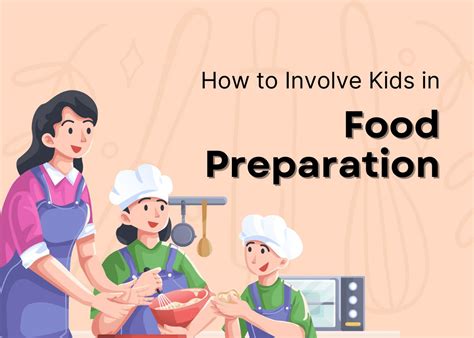
Starting young means finding tasks suitable for little hands and attention spans. For toddlers, simple actions like washing vegetables, tearing lettuce, or stirring ingredients in a bowl are perfect. Preschoolers can measure non-liquid ingredients, mash soft foods, or use child-safe knives for soft items like bananas. Elementary-aged children can take on more complex roles, such as cracking eggs, peeling vegetables, or following simple recipes with guidance. Always prioritize safety, teaching knife skills with supervision and explaining the dangers of hot stoves and sharp utensils.

Green Thumbs: Cultivating a Love for Nature
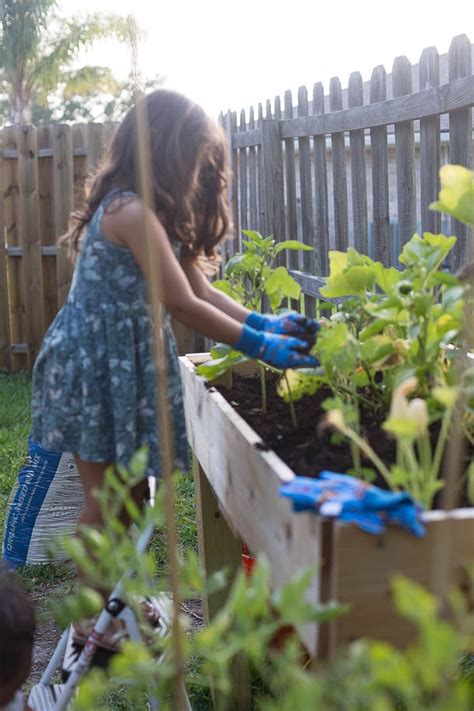
Gardening offers a sensory wonderland for kids. Even if you only have a small pot on a balcony, you can start a mini-garden. Choose easy-to-grow plants that yield quick results, like radishes, lettuce, cherry tomatoes, or herbs. Kids love the magic of planting a tiny seed and watching it grow into something edible. Tasks can include watering plants, digging small holes for seeds, helping to pull weeds (identifying them first!), and the ultimate reward: harvesting their own produce. This connection to the earth teaches them about ecosystems, seasonality, and the source of their food, making them more likely to eat what they’ve grown.

Making it Stick: Tips for Long-Term Success
Patience is key. There will be messes, spilled ingredients, and perhaps not-so-perfectly chopped vegetables. Embrace the chaos as part of the learning process. Make it fun by singing songs, telling stories, or creating themed meals. Don’t underestimate the power of leading by example; if you show enthusiasm for cooking and gardening, your children are more likely to adopt it. Establish a routine, perhaps a “family cooking night” once a week or a regular “garden check” every morning. Celebrate their contributions, no matter how small, and acknowledge their efforts with praise and shared enjoyment of the fruits (and vegetables!) of their labor.

Beyond the Plate and Plot: The Lasting Benefits
The habits formed through shared kitchen and garden tasks extend far beyond the immediate activity. Children gain independence, self-confidence, and a deeper understanding of healthy choices. These moments spent together foster stronger family bonds, creating cherished memories and open communication. By empowering your children in these fundamental areas, you’re not just preparing meals or tending a garden; you’re cultivating a foundation for a healthier, happier, and more connected family life that will benefit them for years to come.