




How to naturally amend garden soil for optimal real food yields?

A healthy, vibrant garden starts from the ground up – literally. The soil is the living foundation that provides nutrients, water, and support for your plants. For country living enthusiasts aiming for optimal real food yields, understanding and naturally amending your garden soil is paramount. Chemical fertilizers and pesticides offer quick fixes but can degrade soil health over time. Nature, however, provides a sustainable blueprint for creating rich, fertile soil that will reward you with bountiful, nutritious harvests year after year.
The Foundation: Understanding Your Soil
Before you begin amending, it’s beneficial to understand your current soil composition. Is it heavy clay, sandy, or a loamy mix? A simple soil test (available at most garden centers or through agricultural extensions) can reveal its pH level and nutrient deficiencies. Generally, healthy soil is teeming with microbial life, has good drainage, excellent water retention, and a balanced supply of essential nutrients. The key to achieving this naturally is consistently adding organic matter.
Compost: The Black Gold of the Garden
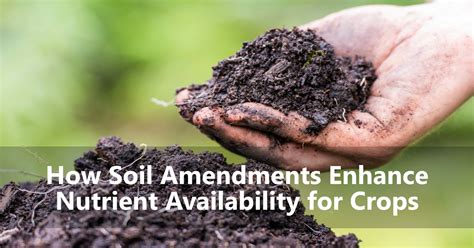
Compost is undoubtedly the cornerstone of natural soil amendment. It’s decomposed organic matter – a rich, dark, crumbly substance that acts as a slow-release fertilizer and dramatically improves soil structure. Adding compost to your garden:
- Enriches soil with nutrients: Provides a balanced array of macro and micronutrients essential for plant growth.
- Improves soil structure: Loosens heavy clay soils, allowing for better drainage and root penetration, while helping sandy soils retain water and nutrients.
- Boosts microbial life: Introduces beneficial bacteria, fungi, and other microorganisms that help plants absorb nutrients.
- Balances pH: Helps to buffer soil pH, making it more favorable for a wider range of plants.
You can create your own compost from kitchen scraps, yard waste, and animal manures, or purchase high-quality compost. Dig it directly into your garden beds, or spread a layer on top as a top-dressing.

Cover Crops: Nature’s Soil Builders
Cover crops, often called ‘green manure,’ are plants grown specifically to benefit the soil rather than for harvest. Planted during off-seasons or in resting beds, they offer numerous advantages:
- Nitrogen Fixation: Leguminous cover crops like clover and vetch capture atmospheric nitrogen and convert it into a form plants can use, reducing the need for synthetic nitrogen fertilizers.
- Weed Suppression: Their dense growth smothers weeds, minimizing competition for your cash crops.
- Erosion Control: Their root systems hold soil in place, preventing wind and water erosion, especially during dormant periods.
- Organic Matter Addition: When tilled into the soil, cover crops add significant organic matter, improving structure and fertility.
- Deep Root Penetration: Some cover crops have deep roots that break up compacted soil, improving aeration and drainage.
Choose cover crops suitable for your climate and specific soil needs. Rye, oats, and buckwheat are also popular choices.

Mulching for Health and Fertility
Mulching is a simple yet incredibly effective practice for maintaining soil health and boosting yields. A layer of organic material spread over the soil surface provides a multitude of benefits:
- Moisture Retention: Mulch shades the soil, reducing evaporation and conserving water, which means less frequent watering for you.
- Weed Suppression: It blocks sunlight from reaching weed seeds, significantly reducing weed growth.
- Temperature Regulation: Mulch insulates the soil, keeping it cooler in summer and warmer in winter, protecting plant roots.
- Nutrient Contribution: As organic mulches (like straw, shredded leaves, wood chips, or grass clippings) break down, they slowly release nutrients back into the soil, feeding your plants and the microbial community.
Apply a 2-4 inch layer of organic mulch around your plants, keeping it a few inches away from plant stems to prevent rot.

Harnessing Worm Power: Vermicompost
Vermicompost, or worm castings, is the excrement of earthworms and is one of the richest, most nutrient-dense soil amendments available. Worms digest organic matter, transforming it into a highly bioavailable form for plants. Vermicompost improves soil structure, aeration, and drainage, and introduces beneficial microbes. You can easily start a worm bin in your garage or basement to convert kitchen scraps into this powerful amendment.
Other Natural Amendments for Specific Needs
While compost, cover crops, and mulch form the backbone of natural soil amendment, other organic materials can address specific deficiencies:
- Bone Meal: A good source of phosphorus and calcium, promoting strong root development and flowering.
- Blood Meal: Rich in nitrogen, ideal for leafy green vegetables.
- Kelp Meal: Provides a broad spectrum of trace minerals and plant growth hormones.
- Rock Dust: Contains a wide array of minerals and trace elements, slowly released as it weathers.
- Wood Ash: A source of potassium and lime, but use sparingly as it can raise pH significantly.
Always perform a soil test before adding specific amendments to avoid creating imbalances.
Putting It All Together for Bountiful Harvests
The most effective strategy for naturally amending your garden soil is to adopt a continuous, integrated approach. Regularly incorporate compost, practice mulching, rotate your crops, and use cover crops when beds are fallow. This creates a living, breathing soil ecosystem that becomes increasingly fertile over time, less reliant on external inputs, and more resilient to pests and diseases.
By nurturing your soil with these natural methods, you’re not just growing plants; you’re cultivating a thriving environment that supports robust plant health, optimal nutrient uptake, and ultimately, an abundance of delicious, real food for your table. The rewards of healthy soil extend far beyond the garden fence, contributing to a more sustainable and fulfilling country living experience.