



Need buttermilk for baking? Quick homemade substitutions for country kitchen recipes?

Why Buttermilk is a Baking Star
Buttermilk is a secret weapon in many country kitchen recipes, celebrated for its unique tangy flavor and its ability to create exceptionally tender, moist, and airy baked goods. Its acidity reacts with leavening agents like baking soda, producing carbon dioxide that gives pancakes their fluff, biscuits their lift, and cakes their fine crumb. But what happens when a recipe calls for buttermilk and your fridge is empty?
Don’t fret! Running out of buttermilk no longer means postponing your baking plans. With a few common pantry staples, you can easily whip up a substitute that performs just as well, ensuring your beloved recipes turn out perfectly every time.
The Classic: Milk + Acid Method
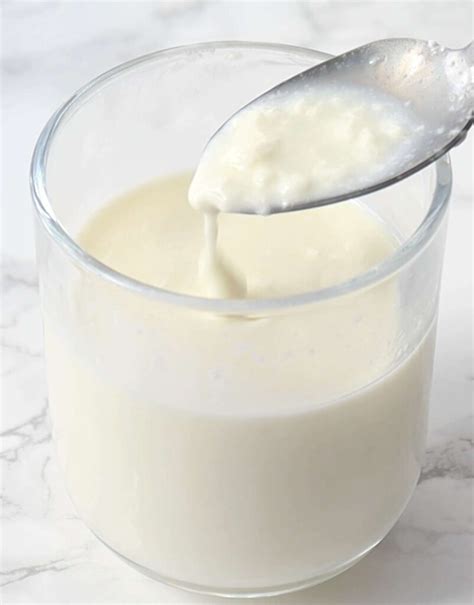
This is arguably the most popular and versatile buttermilk substitute, relying on a simple chemical reaction to curdle milk, mimicking buttermilk’s acidity and texture. It’s incredibly straightforward and effective for almost any recipe.
Ingredients:
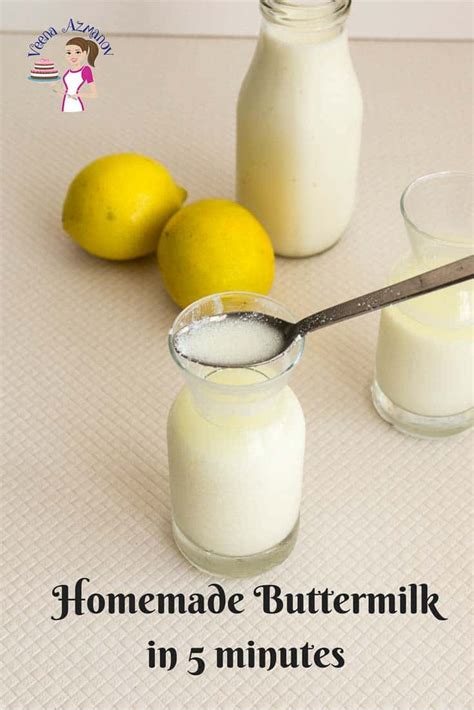
- 1 cup milk (dairy or non-dairy, whole milk works best for richness, but any kind will do)
- 1 tablespoon white vinegar or lemon juice
Instructions:
- Pour the milk into a measuring cup.
- Add the vinegar or lemon juice.
- Stir gently and let it sit for 5-10 minutes. The milk will begin to curdle and thicken slightly.
- Use this ‘soured’ milk exactly as you would regular buttermilk in your recipe.
Tip: If your recipe calls for less than a cup of buttermilk, simply scale down the milk and acid proportionately (e.g., for 1/2 cup buttermilk, use 1/2 cup milk and 1/2 tablespoon acid).
Cream of Tartar Method
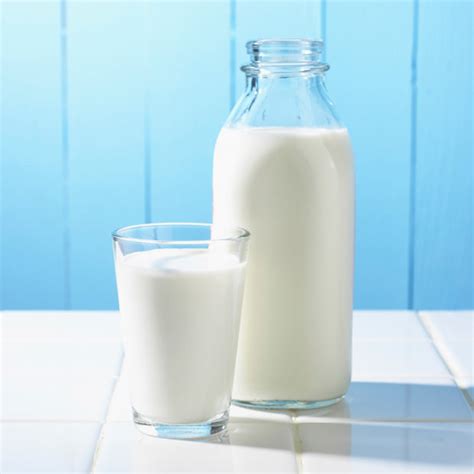
For those who prefer not to use vinegar or lemon juice, cream of tartar offers another excellent acidic option. It’s a dry acid that, when combined with milk, also creates a suitable buttermilk alternative.
Ingredients:
- 1 cup milk (dairy or non-dairy)
- 1 ¾ teaspoon cream of tartar
Instructions:
- In a small bowl, whisk the cream of tartar into the milk until fully dissolved.
- Let it sit for 5-10 minutes to allow the mixture to thicken slightly.
- Use in your recipe as a direct substitute for buttermilk.
Yogurt or Sour Cream Substitutes
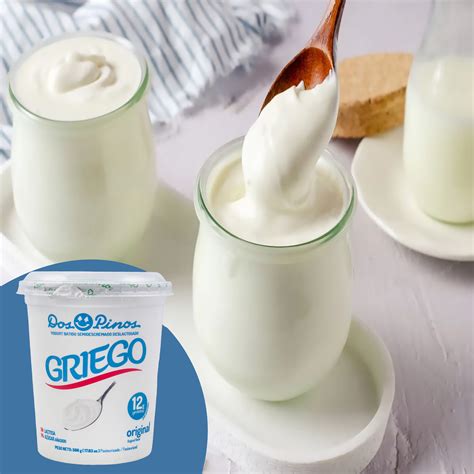
If you have plain yogurt or sour cream on hand, you’re also in luck! These dairy products have a similar tang and thickness to buttermilk and can often be used directly, with a small adjustment for consistency.
Using Yogurt:
- For every 1 cup of buttermilk needed, use ¾ cup plain yogurt (full-fat or low-fat).
- Whisk in ¼ cup water or milk to thin it to buttermilk consistency.
Using Sour Cream:
- For every 1 cup of buttermilk needed, use ¾ cup plain sour cream.
- Whisk in ¼ cup water or milk to thin it to buttermilk consistency.
Note: Greek yogurt is much thicker, so you might need to add a bit more liquid to reach the desired consistency.
Buttermilk Powder for the Prepared Baker
For those who frequently bake and want a shelf-stable option, buttermilk powder is a fantastic investment. It’s dried buttermilk that reconstitutes with water and is a pantry essential for many serious bakers.
Instructions:
Follow the package directions for reconstitution, which typically involve mixing a specific amount of powder with water. For most brands, it’s usually around 1/4 cup powder to 1 cup water to yield 1 cup of buttermilk.
Never Let an Empty Carton Stop You
With these easy and effective homemade buttermilk substitutions, you’ll never have to compromise on your country kitchen recipes again. Whether you’re whipping up a batch of fluffy pancakes, tender biscuits, or a moist cake, these tricks ensure your baked goods get that signature tang and perfect texture every time. Keep these methods in your baking arsenal, and your kitchen will always be ready for spontaneous culinary adventures.