



Best natural pest control for a small organic vegetable garden?

Embracing a Chemical-Free Garden: Natural Pest Control Strategies
Cultivating a small organic vegetable garden brings immense joy and fresh produce to your table. However, the bounty often attracts uninvited guests – pests. The good news is that maintaining a thriving, pest-free organic garden doesn’t require harsh chemicals. By understanding your garden’s ecosystem and implementing a few natural strategies, you can protect your plants and encourage a healthy, balanced environment.
Prevention is Key: Building a Resilient Garden from the Ground Up
The first line of defense against pests is a strong, healthy plant. Start with nutrient-rich soil, as vigorous plants are naturally more resistant to pest attacks. Amend your soil with compost and other organic matter regularly to foster a robust microbial community, which in turn supports plant health. Additionally, select pest-resistant varieties of vegetables whenever possible.
Companion planting is an ancient and highly effective natural pest control method. Certain plants, when grown together, can deter pests or attract beneficial insects. For example, marigolds are known to repel nematodes and other pests, while nasturtiums can act as a trap crop, luring aphids away from your prized vegetables. Planting garlic or onions near vulnerable crops can also help deter a range of common garden pests.

Hands-On Methods for Immediate Pest Management
When pests do appear, sometimes the most direct approach is the best. Manual removal involves simply picking off larger pests like slugs, snails, and tomato hornworms by hand. A strong spray of water from a hose can dislodge aphids and spider mites from plant leaves. Repeat this daily until the infestation is gone.
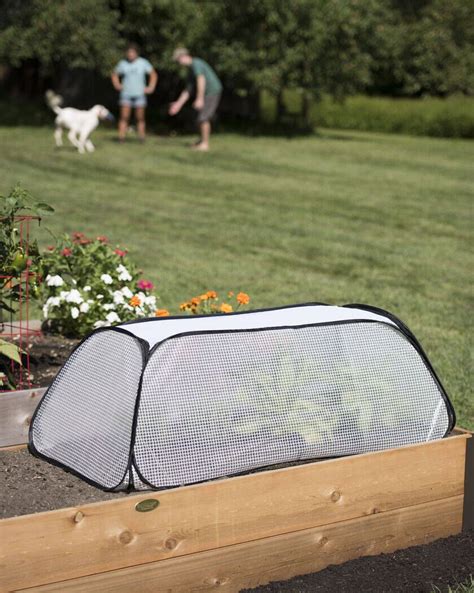
Physical barriers offer an excellent way to protect plants without chemicals. Row covers made of lightweight fabric can shield young seedlings and vulnerable crops from flying insects like cabbage worms, squash bugs, and cucumber beetles. Just be sure to remove them during flowering if your plants require insect pollination. For larger pests, fencing can deter rabbits, deer, and other garden invaders.
Inviting Nature’s Helpers: Beneficial Insects
Many insects are your allies in the garden. Ladybugs, lacewings, parasitic wasps, and hoverflies prey on common garden pests like aphids, scale insects, and caterpillars. You can encourage these beneficial insects by planting a diverse range of flowering plants that provide nectar and pollen. Dill, fennel, cilantro, cosmos, and sweet alyssum are excellent choices for attracting a variety of helpful predators.
Avoid broad-spectrum pesticides, even organic ones, as they can harm beneficial insects along with the pests. A balanced ecosystem is one where natural predators keep pest populations in check.
![[100+] Imagens De Miraculous Ladybug | Wallpapers.com](/images/aHR0cHM6Ly90czQubW0uYmluZy5uZXQvdGg/aWQ9T0lQLmpyYUxRVGpyT3FiT2lVSzNRQVVtQ2dIYUVLJnBpZD0xNS4x.webp)
DIY Organic Pest Sprays for Targeted Control
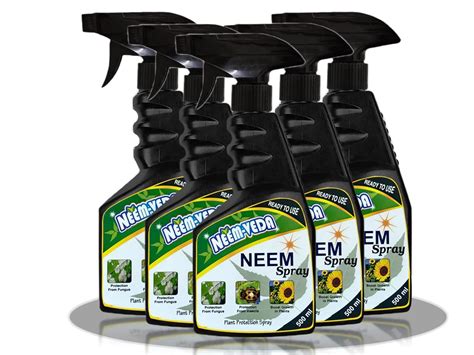
For more persistent pest problems, homemade organic sprays can provide targeted control. Neem oil is a popular natural pesticide derived from the neem tree. It disrupts the feeding and breeding cycles of many insects and is effective against aphids, spider mites, whiteflies, and more, while generally being safe for beneficial insects once dry.
Simple soap sprays (using a mild, biodegradable liquid soap mixed with water) can suffocate soft-bodied insects. A garlic or hot pepper spray, made by blending garlic cloves or hot peppers with water and straining the mixture, can act as a repellent for many pests due to its strong odor and irritant properties. Always test any spray on a small portion of the plant first to ensure it doesn’t cause damage.
Garden Hygiene and Crop Rotation for Long-Term Health
Good garden hygiene plays a crucial role in pest prevention. Regularly remove weeds, which can harbor pests and diseases, and promptly dispose of any diseased plant material to prevent spread. Clean up fallen leaves and fruit, as these can provide hiding spots for pests or breeding grounds for fungal issues.
Crop rotation is another vital strategy for long-term pest and disease management. By not planting the same crop or crop family in the same spot year after year, you can break the life cycles of specific pests that overwinter in the soil or target particular plant families. This simple practice significantly reduces the buildup of pest populations in your garden beds.
Conclusion
Protecting your small organic vegetable garden naturally requires observation, patience, and a willingness to work with nature rather than against it. By combining healthy soil practices, companion planting, physical barriers, attracting beneficial insects, and utilizing targeted organic sprays, you can enjoy a vibrant, productive, and chemical-free garden year after year. Embrace these natural methods, and your garden will not only thrive but also contribute to a healthier ecosystem right in your backyard.