



How to source local, seasonal ingredients for meals during rural country stays?

Embracing the Local Flavor: Why It Matters on Your Rural Escape
There’s a unique charm to rural country stays, offering a chance to disconnect from the daily grind and immerse yourself in nature’s tranquility. For many, this also means the joy of self-catering – preparing meals in your temporary home. But why settle for supermarket staples when the countryside often boasts a bounty of fresh, local, and seasonal produce? Sourcing ingredients directly not only elevates your cooking but also connects you deeply with the region’s culinary identity, supporting local farmers and artisans.
The benefits are manifold: superior taste and freshness, reduced environmental impact due to shorter supply chains, and a truly authentic dining experience. Imagine a breakfast of eggs laid that morning, artisanal bread from a nearby bakery, and jam made from local berries. It transforms a simple meal into a memorable part of your holiday.

Key Strategies for Discovering Fresh, Seasonal Produce
1. Farmers’ Markets: A Vibrant Hub of Local Goodness
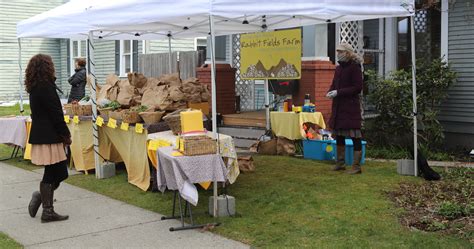
Farmers’ markets are often the easiest and most enjoyable way to find a wide variety of local and seasonal ingredients. They are community focal points where you can meet the growers, learn about their produce, and often sample items before buying. Look for signs advertising ‘seasonal’ or ‘locally grown’ produce, and don’t be afraid to ask vendors for recommendations or cooking tips.
Before your trip, a quick online search for “[Your Rural Area] farmers market” will usually reveal market days and locations. Plan your grocery run around these times to ensure you get the freshest pick. Arriving early often guarantees the best selection.

2. Direct from the Farm: Shops and Roadside Stalls
Many working farms, especially in agricultural regions, have their own farm shops selling produce directly to the public. These can range from small, unmanned ‘honesty boxes’ by the roadside (where you leave money for your goods) to larger, fully-stocked stores. Here you might find freshly picked fruits and vegetables, homemade preserves, honey, eggs, and even meat from the farm’s livestock.
Keep an eye out for handmade signs as you drive through the countryside. Google Maps or local tourism websites might also list established farm shops. This method guarantees ultimate freshness and a direct connection to the source.
3. Specialty Stores: Butchers, Bakers, and Dairies
Beyond produce, local butchers, bakeries, and dairies are treasures for specialized ingredients. A local butcher can offer cuts of meat from nearby farms, often of superior quality to what you’d find in a supermarket. Similarly, artisan bakeries provide freshly baked bread, pastries, and sometimes even local cheeses. Small dairies might sell fresh milk, cream, and yogurts. These establishments are usually deeply rooted in the community and proud of their local offerings.

4. Leverage Local Knowledge and Online Resources
Don’t underestimate the power of asking locals! Your Airbnb host, guesthouse owner, or even the barista at the local coffee shop can provide invaluable insider tips on where to find the best produce, the nearest farm stall, or even a hidden gem like a local fishing boat selling its catch. Modern technology also helps: look for local food directories, community Facebook groups, or apps dedicated to sustainable eating in the region you’re visiting.
Planning Ahead for Culinary Success
To make the most of your local sourcing adventure, a little preparation goes a long way. Before you depart, research the typical seasonal produce for the time of year you’ll be traveling in your destination. This will help you plan your meals and know what to expect. Consider packing a reusable shopping bag, a cooler bag for perishables, and perhaps even some basic pantry staples like olive oil, salt, and pepper, which might be expensive or hard to find in smaller local shops.

Cooking and Enjoying Your Countryside Harvest
Once you’ve gathered your glorious array of local ingredients, the real fun begins. Embrace simple cooking techniques that allow the natural flavors of the produce to shine. Think roasted vegetables, pan-seared local fish, fresh salads, or a hearty stew made with regional meat. Don’t overcomplicate things; the beauty of seasonal food lies in its inherent deliciousness.
Set a lovely table, open a local bottle of wine or craft beer, and savor the experience. Cooking with local ingredients during your rural country stay isn’t just about making a meal; it’s about fully immersing yourself in the culture, flavors, and rhythm of the place you’re visiting.

Conclusion: A Taste of the Countryside
Sourcing local and seasonal ingredients transforms your rural country stay from a simple trip into a rich, immersive culinary journey. From the thrill of discovering a hidden farm shop to the joy of cooking with the freshest produce, it’s an experience that nourishes both body and soul. So, next time you plan a countryside escape, make farm-to-table dining a central part of your adventure – your taste buds will thank you!