


Tips for safely scaling homemade jam and canning recipes from garden harvests?

The Allure and Risks of Scaling Up
As gardeners, the joy of a bountiful harvest often leads to the desire to preserve its goodness. Whether it’s a mountain of berries for jam or a basket full of tomatoes for sauce, the natural inclination is to scale up your favorite canning recipes to maximize efficiency. However, unlike traditional cooking, where doubling a recipe might only affect taste, scaling canning recipes incorrectly can compromise food safety, leading to spoilage or even dangerous pathogens like botulism.
Understanding the critical factors that make a canning recipe safe and stable is paramount. Canning is a science, not just an art, relying on precise ratios of ingredients, acidity levels, processing temperatures, and times to create an environment where harmful microorganisms cannot survive or grow.
Why Precision is Non-Negotiable in Canning
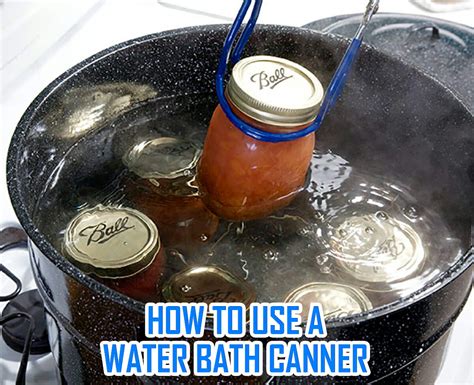
The core principle behind safe home canning is creating an acidic environment (for water bath canning) or a high-temperature, high-pressure environment (for pressure canning) that destroys or inactivates harmful bacteria, molds, and yeasts. Scaling a recipe can inadvertently alter these critical factors:
- Acidity (pH): For water bath canning, a pH of 4.6 or lower is essential to prevent the growth of Clostridium botulinum. Changing ingredient proportions, especially fruits, vegetables, or added acids like lemon juice or vinegar, can subtly shift the pH, rendering the food unsafe.
- Heat Penetration: The size and density of ingredients, as well as the total volume, affect how quickly heat penetrates to the center of the jar. Doubling a recipe might mean a denser product that requires a longer processing time than the original, which isn’t always accounted for without retesting.
- Pectin and Sugar Ratios (Jams/Jellies): These are crucial for proper gel set. Altering ratios can lead to runny jams or overly stiff jellies, but more importantly, sugar acts as a preservative by binding water, affecting water activity and microbial growth.

General Guidelines for Safe Scaling
Stick to Tested Recipes
Always start with recipes from reputable sources such as the National Center for Home Food Preservation (NCHFP), university extension services, or trusted canning books like those from Ball/Kerr. These recipes have been scientifically tested for safety and stability.
Understand Batch Size Limitations
Most jam and jelly recipes are designed for small batches (6-8 jars) to ensure even cooking and proper gel setting. Doubling these recipes can lead to overcooking the fruit, evaporation issues, and difficulty reaching the gelling point, or conversely, undercooking and a runny product that won’t store well.
When Scaling is Acceptable (and When it’s Not)
- For Jams and Jellies: It’s generally NOT recommended to double jam and jelly recipes. The chemistry of pectin and sugar, combined with the cooking time required to reach a setting point, is very sensitive to batch size. If you have a large harvest, process it in multiple smaller batches rather than one giant one.
- For Pickles and Relishes: You can often increase the quantity of vegetables or fruits being pickled, provided you maintain the EXACT proportions of the brine (vinegar, water, salt, spices) and ensure that the food is fully submerged. However, the processing time should still adhere to the original tested recipe for the specific jar size.
- For Pressure Canning Recipes (Meats, Vegetables, Soups): Scaling these recipes can be particularly risky. The processing times are calculated based on heat penetration for specific jar sizes and densities. Modifying volumes or ingredient proportions can dramatically alter these factors. Stick to the original recipe and process in multiple batches if needed.
Practical Tips for Managing Large Harvests
- Multiple Small Batches: This is the safest and most recommended approach for jams, jellies, and many vegetable canning recipes. It ensures consistent quality and safety.
- Weigh, Don’t Measure by Volume: When possible, use a kitchen scale to measure ingredients, especially fruits and vegetables, as this provides more accuracy than volumetric measurements.
- Check pH for Critical Recipes: For marginal acidity foods or if you’re adapting a recipe (which is generally discouraged for canning), a pH meter can give you an objective measurement. Aim for 4.6 or below for water bath canning.
- Maintain Headspace: Always leave the recommended headspace (usually 1/4 inch for jams/jellies, 1/2 inch for most high-acid foods, 1 inch for low-acid foods) to ensure proper vacuum seal.
- Consider Alternative Preservation Methods: If you’re overwhelmed by a harvest and unsure about safely scaling, remember that freezing, dehydrating, or fermenting are excellent alternatives that are often more forgiving.
Conclusion
While the desire to efficiently process a large garden harvest is understandable, safety must always be the top priority when it comes to canning. Resist the temptation to drastically scale up recipes, especially those for jams and jellies, or any recipe intended for pressure canning. By adhering to tested recipes, working in manageable batch sizes, and understanding the science behind safe preservation, you can enjoy your homemade jams and canned goods with confidence, knowing they are both delicious and safe for your family.