


How to adapt grandma’s harvest pie recipe for low sugar?

Preserving Tradition with a Healthier Twist
Grandma’s recipes often hold a special place in our hearts, evoking comforting memories and the rich flavors of tradition. Her harvest pie, brimming with the bounty of autumn, is likely no exception. However, with increasing awareness about sugar intake, many of us are looking for ways to enjoy these cherished treats in a healthier way. The good news is that adapting your grandma’s harvest pie for a low-sugar diet is entirely possible without losing its soul. It’s about smart substitutions, flavor enhancements, and a little culinary creativity.

Understanding Sugar in a Classic Harvest Pie
Before we can reduce the sugar, it’s helpful to identify where it typically comes from in a traditional harvest pie. The most obvious sources are the added granulated sugar in the fruit filling itself, often complementing naturally sweet fruits like apples, pears, and squash. Some recipes might also include sugar in the pie crust or a sugary streusel topping. By understanding these components, we can strategically tackle each one for a healthier outcome.
Smart Sugar Substitutions: Sweeteners and Natural Alternatives
The first step in reducing sugar is often replacing some or all of the granulated sugar with alternative sweeteners. Options like erythritol, stevia, monk fruit, or a blend of these can provide sweetness without the calories or blood sugar impact. Remember that these substitutes have different sweetness levels and baking properties than sugar, so read the product’s conversion chart carefully. Start by reducing the original sugar by 25-50% and then supplement with your chosen sweetener to taste. Alternatively, consider using a smaller amount of natural sweeteners like pure maple syrup or honey, keeping in mind they still contribute to sugar content, but offer a different flavor profile.

Optimizing Fruit Choices and Enhancing Flavors with Spices
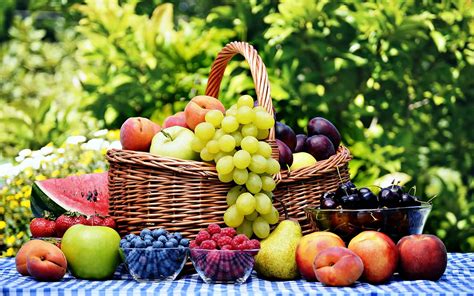
A harvest pie typically features a medley of seasonal fruits and vegetables. To naturally reduce sugar, lean into less sweet or more tart varieties. For example, instead of all sweet apples, mix in some Granny Smith apples. Incorporate pumpkins or butternut squash, which have a subtle sweetness. Crucially, don’t underestimate the power of spices! Cinnamon, nutmeg, cloves, ginger, and allspice are your best friends in a low-sugar pie. They provide warmth, depth, and aromatic complexity that makes the pie feel rich and satisfying, even with less sugar.
Reimagining the Crust and Toppings
The pie crust, while often containing a minimal amount of sugar compared to the filling, can also be adapted. You can opt for a crust made with whole wheat flour or a portion of it, and reduce any added sugar in the dough. For a truly low-sugar approach, consider a nut-based crust or an oat-crumble topping made with minimal or no added sugar, perhaps relying on a touch of cinnamon and some chopped nuts for texture and flavor. Instead of a sugary glaze, finish your pie with a dollop of unsweetened whipped cream or a dusting of cinnamon.
A Step-by-Step Adaptation Guide
- Evaluate the Original Recipe: Note down all sources of sugar in the filling, crust, and any toppings.
- Reduce Gradually: Start by cutting the sugar in the filling by 25-50% without any substitutes. Taste the raw fruit mixture if possible.
- Introduce Sweeteners: Replace the remaining sugar with your chosen low-calorie sweetener, following its conversion guide. Be cautious not to over-sweeten, as the taste can intensify during baking.
- Spice it Up: Increase the amounts of warming spices significantly. Don’t be shy with cinnamon, nutmeg, and ginger!
- Choose Smart Fruits: Balance sweet fruits with tarter varieties or lean more heavily on naturally lower-sugar options.
- Crust and Topping Modifications: Use a whole-grain crust or a simple, unsweetened oat crumble.
- Taste and Adjust: Once baked, if you feel it needs more sweetness, a sugar-free maple syrup drizzle or a sprinkle of a granular sweetener can be added to individual servings.

Tips for a Delicious Low-Sugar Harvest Pie
- Trial and Error: Adapting a recipe takes experimentation. Don’t be discouraged if the first attempt isn’t perfect.
- Texture Matters: Some sugar substitutes can affect texture. You might need to add a touch more flour or cornstarch to the filling for proper consistency.
- Let Flavors Meld: Like many pies, a low-sugar version often tastes even better the next day once the flavors have had a chance to fully develop.
Conclusion
Adapting grandma’s harvest pie for low sugar is a journey that honors tradition while embracing modern health needs. By thoughtfully choosing your sweeteners, enhancing natural flavors with spices, and making small adjustments to the crust and toppings, you can create a pie that is just as comforting and delicious as the original, but significantly healthier. Enjoy the satisfaction of serving a cherished family recipe, thoughtfully updated for today’s tastes.