

How to involve kids in garden-to-table meal prep without meltdowns?

Growing Green Thumbs and Happy Hearts
The concept of garden-to-table eating is appealing: fresh produce, healthy meals, and a connection to where our food comes from. Add kids into the mix, and it becomes an enriching learning experience – in theory. In reality, inviting little ones into the process can sometimes feel like an invitation for chaos, mess, and the dreaded meltdown. But fear not! With a few strategic approaches, you can transform meal prep into a fun, educational, and relatively tantrum-free family activity.
Making Gardening Fun and Accessible
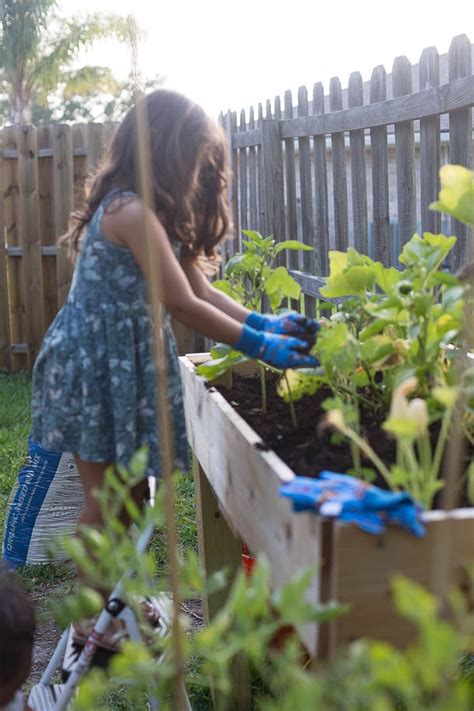
The journey begins long before the kitchen. Involving kids in the garden itself is crucial for building excitement and understanding. Start small, perhaps with a dedicated pot or a tiny raised bed just for them. Let them choose what to plant, opting for fast-growing, kid-friendly options like cherry tomatoes, snap peas, radishes, or herbs. The quicker they see results, the more engaged they’ll be.
Give them their own kid-sized tools and specific, simple tasks like watering, weeding their patch, or gently picking ripe produce. Frame it as a treasure hunt or a science experiment to keep their interest piqued. Remember, the goal isn’t a perfectly manicured garden, but hands-on involvement and a sense of ownership over their bounty.

From Soil to Sink: The Washing & Prep Phase
Once the harvest is complete, the transition to the kitchen can begin. This stage is ripe with opportunities for engagement. Set up a washing station where kids can rinse vegetables and fruits under supervision. This simple task is often surprisingly satisfying for them.
After washing, introduce age-appropriate prep tasks. For toddlers and preschoolers, tearing lettuce leaves for a salad, snapping green beans, or shelling peas can be wonderful activities. These fine motor skill builders also give them a direct role in preparing the meal.
Age-Appropriate Kitchen Tasks for Little Hands
Matching tasks to a child’s developmental stage is key to success and safety. Avoid overwhelming them with complex instructions or dangerous tools prematurely.
- Toddlers/Preschoolers (2-5 years): Washing produce, stirring ingredients in a bowl, mashing soft vegetables (like potatoes or avocado), tearing herbs or lettuce, setting the table, sprinkling cheese.
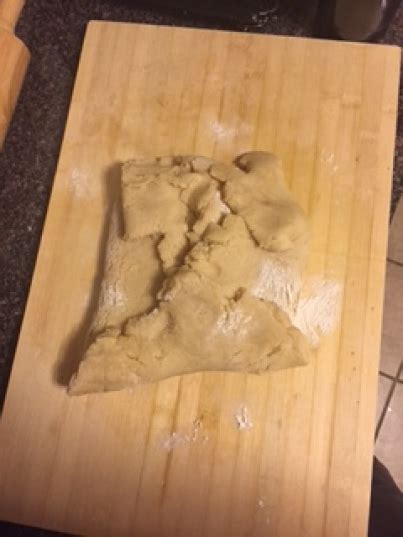
- Elementary Schoolers (6-9 years): Measuring ingredients, simple chopping with a kid-safe knife or butter knife (soft foods like bananas, cucumbers), cracking eggs, kneading dough, making simple salads, spreading sauces.
- Pre-teens/Teens (10+ years): Following a recipe, dicing vegetables, using a peeler, operating some appliances (with supervision), baking, taking on more responsibility for a specific dish.

Always emphasize safety, demonstrate proper techniques, and be present to guide them. The kitchen is a great place to teach about hygiene, food safety, and basic culinary skills.
Navigating the Bumps: Tips for a Meltdown-Free Zone
Even with the best intentions, meltdowns can happen. Here’s how to minimize them:
- Keep it Short and Sweet: Don’t expect hours of enthusiastic participation. Engage them for 10-15 minutes, then let them play while you finish up.
- Embrace the Mess: Food prep with kids is messy. Lay down a mat, roll up sleeves, and accept that perfection isn’t the goal. Focus on the learning and fun.
- Offer Choices, Not Demands: Instead of, “You HAVE to help,” try, “Would you like to wash the tomatoes or stir the sauce?” Giving them agency reduces resistance.
- Don’t Force It: If a child isn’t interested on a particular day, don’t push it. Forcing participation can build resentment. Invite them, but respect their decision.
- Focus on the Process, Not Perfection: A wonky carrot chop or a slightly lopsided cookie is a badge of honor, not a failure. Praise effort and involvement.
- Taste Test Along the Way: Let them sample ingredients or components of the meal. This builds curiosity and might encourage picky eaters to try the finished dish.

Celebrating the Journey, Not Just the Meal
Once the meal is ready, make sure to highlight their contributions. “Who grew these amazing tomatoes?” “Remember how [child’s name] helped wash all the lettuce?” This reinforces their sense of accomplishment and connection to the food.
Involving kids in garden-to-table meal prep is more than just cooking; it’s about teaching valuable life skills, fostering healthy eating habits, boosting confidence, and creating cherished family memories. It requires patience and flexibility, but the rewards of seeing your child proudly eat a meal they helped create are truly priceless.