





How to keep garden vegetables fresh longer after harvest?

Maximizing Your Garden’s Bounty: Post-Harvest Freshness
There’s immense satisfaction in harvesting fresh vegetables from your garden, but the joy can quickly fade if your bounty wilts or spoils before you can enjoy it. Proper post-harvest handling and storage are crucial for extending the life of your homegrown produce, preserving its flavor, nutrients, and crisp texture. By understanding the unique needs of different vegetables, you can significantly reduce waste and enjoy your harvest for weeks, or even months.
General Principles for Prolonging Freshness
Before diving into specific vegetable types, a few universal rules apply to nearly all garden produce. Adhering to these guidelines will set a strong foundation for long-lasting freshness.
- Harvest at Peak Ripeness: Vegetables picked too early or too late often don’t store as well. Know the ideal harvest time for each crop.
- Handle with Care: Bruises and cuts are entry points for bacteria and accelerate spoilage. Be gentle when harvesting and transporting your vegetables.
- Keep it Clean (Mostly): For many root vegetables, simply brush off excess dirt rather than washing, as moisture can encourage mold. Wash produce only right before you intend to use it.
- Remove Damaged Parts: Trim away any bruised, discolored, or insect-damaged leaves or sections. One bad spot can quickly spread.

Specific Storage Strategies for Common Vegetables
Leafy Greens (Lettuce, Spinach, Kale, Swiss Chard)
Leafy greens are notorious for wilting quickly. The key to preserving their crispness is managing moisture.
- Wash and Dry Thoroughly: Rinse greens in cool water to remove dirt. Then, use a salad spinner or paper towels to dry them as thoroughly as possible. Excess moisture will lead to rot.
- Wrap and Store: Line an airtight container or a large resealable bag with paper towels. Place the dry greens inside, adding more paper towels on top if needed. The paper towels absorb excess moisture, preventing sliminess. Store in the crisper drawer of your refrigerator.
- Longevity: 1-2 weeks.
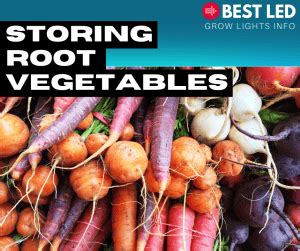
Root Vegetables (Carrots, Beets, Radishes, Turnips)
These vegetables thrive in cool, dark, and humid conditions.
- Trim Greens: Remove all green tops immediately after harvest. The greens draw moisture and nutrients from the root, causing them to shrivel. You can often use the greens of beets and turnips!
- Brush, Don’t Wash: Gently brush off any clinging dirt, but avoid washing until ready to use.
- Store in Humidity: Place roots in a perforated plastic bag or a container with a damp cloth/paper towel to maintain humidity. Store in the crisper drawer. For longer storage, a cool, dark root cellar or basement in damp sand or sawdust works wonders.
- Longevity: Carrots and beets can last 3 weeks to several months; radishes and turnips 1-3 weeks.
Fruiting Vegetables (Tomatoes, Cucumbers, Bell Peppers, Zucchini)
These often have varying optimal storage temperatures.
- Tomatoes: Store whole, unwashed tomatoes at room temperature (around 55-70°F or 13-21°C) away from direct sunlight. Refrigeration degrades their flavor and texture. Only refrigerate very ripe tomatoes to extend their life for a few days, but bring them back to room temp before eating.
- Cucumbers & Zucchini: Store in the refrigerator, preferably in a plastic bag or container to protect them from ethylene gas and moisture loss. Avoid storing them in the coldest part of the fridge, as they can suffer chilling injury.
- Bell Peppers: Store unwashed bell peppers in a plastic bag in the crisper drawer of your refrigerator.
- Longevity: Tomatoes 1-2 weeks (counter); Cucumbers & Zucchini 1 week (fridge); Bell Peppers 1-2 weeks (fridge).
Alliums (Onions, Garlic)
These require an entirely different environment.
- Cure First: After harvest, cure onions and garlic in a warm, dry, well-ventilated area for 1-2 weeks until their outer skins are dry and papery.
- Store Dry and Cool: Once cured, store them in a cool (40-50°F or 4-10°C), dark, and dry place with good air circulation. Braid garlic and hang it, or place onions in mesh bags.
- Avoid Refrigeration: Refrigeration can cause onions to sprout and garlic to become rubbery.
- Longevity: Several months.

Common Mistakes to Avoid
- Storing Ethylene Producers with Ethylene-Sensitive Veggies: Some fruits and vegetables (like apples, bananas, tomatoes) release ethylene gas, which can cause other produce (like leafy greens, cucumbers, carrots) to ripen and spoil faster. Store them separately.
- Over-washing: Washing produce too far in advance can introduce moisture that encourages bacterial growth and spoilage.
- Overcrowding: Ensure good air circulation in your fridge and storage areas. Overcrowding can trap moisture and heat, leading to faster spoilage.
Beyond Fresh: Short-Term Preservation
When you have an abundance that even careful fresh storage can’t handle, consider blanching and freezing, dehydrating, or pickling. These methods can extend the life of your harvest for many months, ensuring you enjoy your garden’s bounty year-round. However, for retaining that just-picked taste and texture, mastering fresh storage is your first and best defense against waste.
Conclusion
With a little knowledge and mindful handling, you can significantly extend the life of your garden vegetables, savoring their peak freshness and flavor for much longer after they leave the vine or soil. Implementing these simple storage techniques will not only reduce food waste but also enhance your culinary experiences, making the most of your hard-earned harvest.