

How to effectively compost kitchen scraps for rich garden soil health?
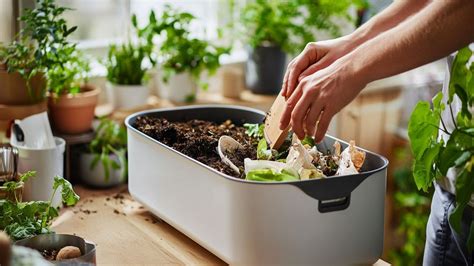
Embracing a lifestyle connected to the earth often means finding innovative ways to nurture it. Composting kitchen scraps is one of the most effective and rewarding practices for country dwellers and urban gardeners alike. It not only reduces household waste but also produces a powerhouse soil amendment that dramatically improves the health and fertility of your garden.
Why Composting Kitchen Scraps is Essential
Composting is a natural process of recycling organic matter, such as leaves and food scraps, into a valuable fertilizer called compost. When you compost kitchen scraps, you’re diverting waste from landfills, where it would otherwise produce methane, a potent greenhouse gas. Instead, you’re creating a nutrient-dense material that:
- Enriches soil with essential nutrients, reducing the need for chemical fertilizers.
- Improves soil structure, leading to better water retention and aeration.
- Attracts beneficial microorganisms and earthworms, fostering a healthy soil ecosystem.
- Helps balance soil pH and suppresses plant diseases.
Choosing the Right Composting Method for You
There are several methods for composting kitchen scraps, each with its own advantages. Your choice will depend on the space you have, the volume of scraps you produce, and your desired composting speed.
Traditional Compost Pile or Bin
This classic method involves layering ‘greens’ (nitrogen-rich materials like kitchen scraps, grass clippings) and ‘browns’ (carbon-rich materials like dry leaves, straw, shredded paper). A dedicated compost bin or an open pile works well, especially for larger volumes.
Compost Tumblers
Tumblers are enclosed, rotating bins that make turning the compost effortless. They accelerate decomposition by providing good aeration and often reach higher temperatures, speeding up the process and killing weed seeds and pathogens.
Vermicomposting (Worm Composting)
Ideal for small spaces or indoor use, vermicomposting uses special composting worms (Red Wigglers) to break down food scraps. The worms produce nutrient-rich castings that are excellent for gardens and houseplants.
What to Compost and What to Avoid
Understanding what goes into your compost is crucial for a healthy, odor-free pile and rich finished product.
Yes, Please Compost These:
- Fruit and vegetable scraps (peels, cores, spoiled produce)
- Coffee grounds and tea bags (paper only)
- Eggshells (crushed)
- Plain pasta, rice, and bread (in moderation)
- Yard waste like grass clippings, leaves, and small twigs
Absolutely AVOID Composting These:
- Meat, bones, and fish (attract pests, create odors)
- Dairy products (attract pests, create odors)
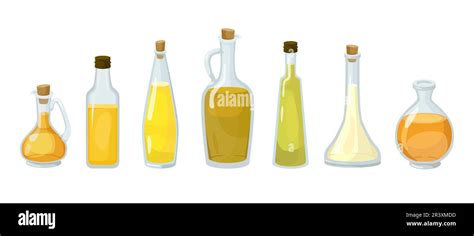
- Oils, fats, and grease (attract pests, slow decomposition)
- Pet waste (may contain pathogens)
- Diseased plants (can spread disease)
- Chemically treated wood or sawdust

Maintaining Your Compost Pile for Optimal Health
A successful compost pile requires a balance of four key elements: carbon, nitrogen, water, and air. This is often referred to as the ‘browns to greens’ ratio and moisture/aeration levels.
The Carbon-Nitrogen Balance
Aim for a ratio of approximately 30 parts carbon (browns) to 1 part nitrogen (greens). Too much nitrogen can make the pile wet and smelly; too much carbon will slow decomposition. Layering helps maintain this balance.
Moisture Levels
Your compost pile should be consistently moist, like a wrung-out sponge. If it’s too dry, decomposition slows. If it’s too wet, it can become anaerobic and smelly. Rain will help, but you may need to add water during dry spells.
Aeration
Oxygen is vital for the microorganisms that break down organic matter. Turn your compost pile regularly (weekly or bi-weekly for active piles) with a pitchfork or aerating tool. This introduces oxygen and helps distribute moisture and nutrients.

Harvesting and Using Your Finished Compost
You’ll know your compost is ready when it’s dark brown, crumbly, and smells like fresh earth. There should be no recognizable food scraps or plant matter. The time it takes can range from a few weeks in a hot tumbler to several months in a traditional bin.
Once ready, your rich compost can be used in numerous ways:
- Soil Amendment: Mix it directly into garden beds before planting.
- Top Dressing: Spread a layer around existing plants to provide a slow-release nutrient boost.
- Potting Mix: Combine with other materials to create a custom potting soil for containers.
- Seed Starting: Use finely sifted compost for a nutrient-rich seed starting mix.

Conclusion
Composting kitchen scraps is a simple yet profound way to contribute to a healthier environment and cultivate a more vibrant garden. It closes the loop on your household waste, transforming what was once trash into a treasure for your soil. By following these guidelines, you’ll be well on your way to enjoying the many benefits of this sustainable country living practice, yielding richer soil and more bountiful harvests for years to come.