


Tips for seasoning and maintaining cast iron pans for country cooking?

Embracing the Legacy: Cast Iron in Country Cooking
Cast iron cookware holds a revered place in country kitchens around the world, cherished for its durability, even heat distribution, and ability to impart a unique flavor to dishes. From perfectly seared steaks and crispy fried chicken to hearty cornbread and bubbling cobblers, a well-maintained cast iron pan is an indispensable tool. The secret to its longevity and performance lies in two key practices: proper seasoning and consistent maintenance.
Many believe cast iron is high-maintenance, but with a few simple steps, you can ensure your pans remain a joy to cook with for generations. Understanding the ‘why’ behind seasoning is the first step towards mastering the ‘how’.

The Science of Seasoning: Building a Natural Non-Stick Surface
Seasoning isn’t just about oil; it’s about a process called polymerization. When oil is heated to its smoke point, it breaks down and forms a hard, plastic-like coating that bonds to the iron. This layer is what gives cast iron its natural non-stick properties, protects it from rust, and builds up a rich, dark patina over time. The more you cook with and properly care for your seasoned cast iron, the better it performs.
First Steps: Initial Seasoning for New or Restored Pans
Whether you’ve just bought a new (often pre-seasoned) pan or restored an old rusty one, a foundational seasoning is crucial.
- Wash Thoroughly: For a new pan, wash with warm water and a small amount of mild dish soap to remove any factory residue. For a restored pan, scrub away all rust and grime.
- Dry Completely: This is critical to prevent rust. You can towel dry, then place the pan over low heat on the stovetop for a few minutes until all moisture evaporates.
- Apply a Thin Layer of Oil: Using a paper towel, apply a very thin, even layer of high smoke point oil (like flaxseed, grapeseed, or vegetable oil) over the entire pan – inside, outside, and handle. Wipe off any excess; the pan should look dry, not greasy.
- Bake It: Place the pan upside down in a cold oven. Heat the oven to 450-500°F (230-260°C). Once it reaches temperature, bake for one hour.
- Cool Slowly: Turn off the oven and let the pan cool completely inside. This slow cooling allows the polymerization process to fully take hold.
- Repeat: For optimal initial seasoning, repeat steps 3-5 three to five times. This builds a robust base layer.
Daily Rituals: Keeping Your Seasoning Strong After Each Use
The best way to maintain your seasoning is to cook with your cast iron often and follow these steps after every use:
- Clean Promptly: While the pan is still warm, scrape out any food residue. For stuck-on bits, use hot water and a stiff brush or a cast iron scraper. Mild soap can be used sparingly if absolutely necessary, but generally, hot water and a brush are sufficient.
- Rinse Thoroughly: Ensure all food particles are removed.
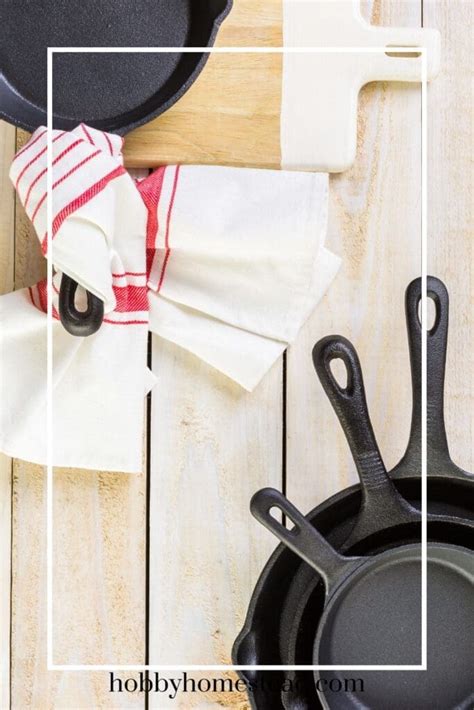
- Dry Immediately and Completely: Towel dry the pan, then place it over low heat on the stovetop for a few minutes until any remaining moisture evaporates and the pan is bone dry.
- Apply a Maintenance Oil Layer: While the pan is still warm, apply another very thin layer of high smoke point oil (e.g., vegetable, grapeseed) with a paper towel. Wipe off all excess until it appears dry to the touch. This re-seals the surface and replenishes the seasoning.
Gentle Cleaning Techniques for Preserving Your Pan’s Finish
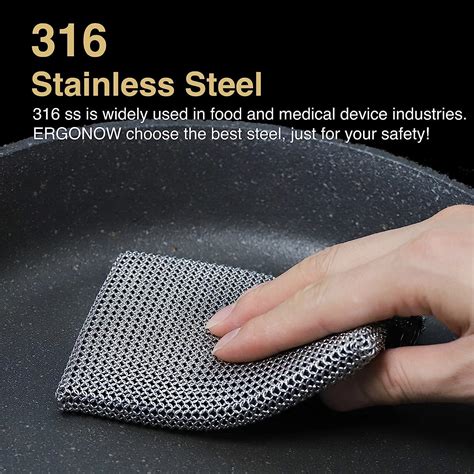
While some purists never use soap, a small amount of mild dish soap won’t strip a well-established seasoning. The key is to avoid harsh detergents, steel wool, or abrasive scrubbers that can scratch the seasoned layer.
- Stiff Brush/Scraper: Ideal for most food residue.
- Kosher Salt Scrub: For stubborn bits, sprinkle coarse kosher salt into the warm pan and scrub with a paper towel or sponge. The salt acts as a gentle abrasive without damaging the seasoning. Rinse and proceed with oiling.
- Deglazing: For really stuck-on food, add a little water to the warm pan and bring to a simmer, scraping with a wooden spoon or spatula.
Troubleshooting Common Cast Iron Issues and Proper Storage
Even with the best care, you might encounter some common issues:
- Rust: If rust appears, don’t despair! Scrape or scrub the rust off with steel wool or a stiff brush until the bare metal is exposed. Wash, dry completely, and then re-season the pan multiple times using the initial seasoning steps.
- Sticky/Gummy Pan: This usually means too much oil was applied during seasoning or maintenance, or it wasn’t heated enough to polymerize. Scrub the sticky spots down with hot water and a brush (or even steel wool if needed) and start again with a thinner layer of oil and proper heating.
Proper Storage for Longevity
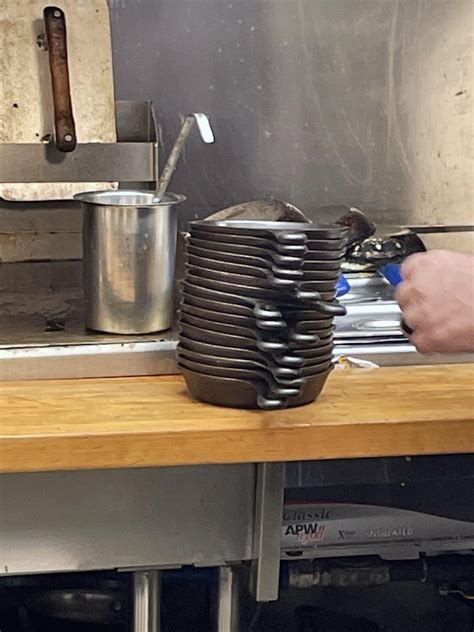
After cleaning and oiling, store your cast iron in a dry, airy place. Avoid stacking pans directly on top of each other, as this can scratch the seasoning. If you must stack, place a paper towel or cloth between them to protect the surfaces.

Embrace the Journey of Cast Iron Care
Caring for cast iron is less a chore and more a rewarding ritual. Each time you season and maintain your pan, you’re not just preserving a piece of cookware; you’re contributing to a legacy. With these tips, your cast iron pans will continue to be the heart of your country cooking, delivering delicious meals and lasting for generations to come.