



Best ways to teach kids simple country chores without constant nagging?

Turning Chores into Life Lessons, Not Battles
Living in the country often means a unique set of responsibilities, and involving children in these daily tasks is invaluable. It teaches them responsibility, resilience, and a deep appreciation for the effort that goes into maintaining a home and property. However, the path to getting kids to help willingly can often feel like a constant uphill battle filled with pleas and nagging. The good news is there are more effective, positive ways to integrate chores into their routine that foster cooperation rather than resistance.

Make it Fun and a Family Affair
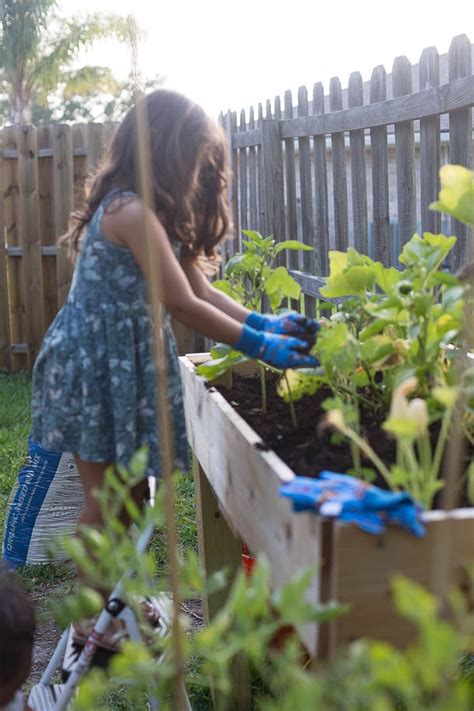
One of the biggest shifts you can make is changing the perception of chores from burdensome tasks to shared family activities. Put on some music, turn a task into a game, or race to see who can finish a certain chore first (e.g., “Who can collect the most eggs?”). When children see chores as a collective effort where everyone contributes, they are more likely to participate without complaint. Frame tasks as “helping the family” or “contributing to our home” rather than just a duty. For younger children, imaginative play can be a powerful tool – they might be “super farmers” tending to their land.
Working alongside your children, especially when introducing new tasks, is also crucial. It provides direct modeling, allows for immediate feedback, and strengthens your bond. They learn by doing and by observing your attitude towards the work.
Set Clear Expectations and Establish Routine
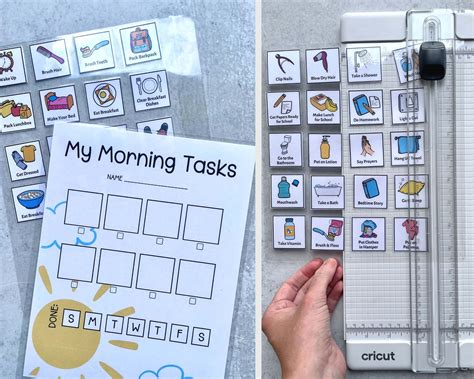
Kids thrive on predictability. Establishing a consistent routine for chores helps them understand what needs to be done and when, reducing the need for constant reminders. Visual chore charts with pictures for younger children can be incredibly effective. List specific tasks, assign them to days or times, and ensure they are age-appropriate.
Clearly communicate what needs to be done, how to do it, and why it’s important. For example, instead of “Clean your room,” try “Please put your dirty clothes in the hamper, your books back on the shelf, and make your bed.” When children understand the expectation, they are more likely to meet it.
Empower Through Choice and Responsibility
While some chores are non-negotiable, offering children a choice within a set framework can significantly increase their willingness to participate. “Would you like to feed the chickens or water the garden first today?” gives them a sense of control and ownership over their responsibilities. As they grow older, allow them to take full ownership of certain tasks, from planning to execution. This builds self-reliance and problem-solving skills.
It’s also important to let them experience the natural consequences (within reason) of not doing a chore. If they forget to bring in the firewood, they might feel the chill. This teaches them more effectively than nagging ever could.

Praise Effort, Not Just Perfection
Positive reinforcement is far more powerful than criticism. Acknowledge and praise their effort and participation, even if the chore isn’t done perfectly. “Thank you for helping rake the leaves, you did a great job clearing up that section!” is much more motivating than pointing out missed spots. Focus on their contribution and the helpfulness of their actions. Small rewards, like extra screen time, a special outing, or simply heartfelt appreciation, can also reinforce positive behavior, especially when they complete a challenging or new task.

Lead by Example and Foster a Growth Mindset
Children are excellent imitators. If they see you tackling chores with a positive attitude, they are more likely to adopt a similar outlook. Involve them in discussions about the importance of various tasks – why the garden needs weeding, why the animals need feeding, or why tools need to be put away. This helps them understand the bigger picture and their crucial role in the family unit.
Teach them that mistakes are part of learning and that it’s okay if a task takes longer or isn’t done perfectly the first time. The goal is to build capable, responsible individuals who understand the value of hard work and contributing to their community.

Conclusion: Building Responsible & Resilient Kids
Teaching kids simple country chores without constant nagging boils down to a blend of clear communication, consistent routines, positive reinforcement, and making the experience engaging. By shifting from a mindset of “getting them to do chores” to “teaching them life skills,” you’re not just managing a household; you’re raising responsible, resilient, and resourceful individuals who will carry these valuable lessons throughout their lives. It’s an investment in their character and the harmony of your family life.