

What are the best natural fertilizers for healthy, productive garden soil?

Embracing Nature’s Bounty for Your Garden
For any gardener, especially those embracing the country living lifestyle, the foundation of a thriving garden isn’t just sunlight and water; it’s healthy, productive soil. Chemical fertilizers offer quick fixes, but natural alternatives provide sustained nourishment, improve soil structure, and foster a vibrant ecosystem beneath the surface. Opting for natural fertilizers aligns perfectly with sustainable practices, ensuring long-term fertility and healthier produce.
Integrating organic materials into your soil is like giving your garden a balanced, slow-release meal. It feeds the beneficial microbes, earthworms, and fungi that are crucial for nutrient cycling, disease suppression, and overall soil vitality. Let’s explore the best natural fertilizers that can transform your garden into a highly productive haven.
The Cornerstone: Compost
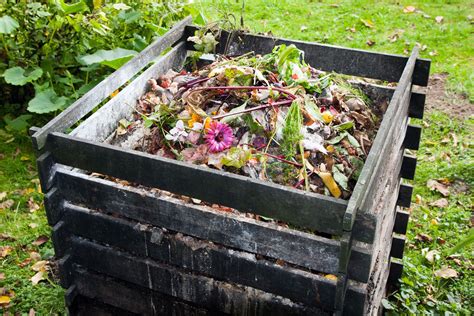
If there’s one natural fertilizer every gardener should prioritize, it’s compost. Often called “black gold,” compost is decomposed organic matter made from kitchen scraps, yard waste, leaves, and other biodegradable materials. It’s a complete soil amendment, not just a fertilizer, that improves soil structure, water retention, drainage, and provides a wide array of macro and micronutrients.
- Benefits: Boosts microbial activity, balances pH, prevents soil compaction, and releases nutrients slowly over time.
- Application: Work a 1-3 inch layer into the top few inches of your garden beds annually, or use as a top dressing around plants.
Aged Manure: A Nutrient Powerhouse
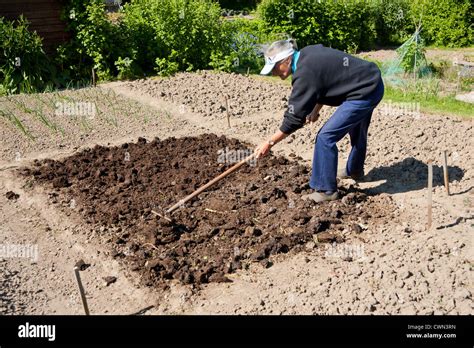
Animal manure, particularly from chickens, cows, or horses, is an excellent source of nitrogen, phosphorus, and potassium, along with numerous trace minerals. However, it’s crucial to use aged or composted manure. Fresh manure can be too strong, potentially burning plants or introducing pathogens and weed seeds.
- Benefits: Rich in essential plant nutrients, improves soil texture and water-holding capacity.
- Application: Incorporate well-aged manure into your soil in the fall or early spring, allowing it time to integrate before planting. Chicken manure, being more potent, should be used sparingly.
Worm Castings: Vermicompost’s Treasure
Worm castings, also known as vermicompost, are essentially worm poop – and they are incredibly rich! Earthworms digest organic matter, transforming it into highly bioavailable nutrients that plants can readily absorb. Castings contain enzymes, beneficial bacteria, and humic acids that stimulate plant growth and improve soil structure.
- Benefits: Non-burning, improves germination, enhances root growth, and provides long-lasting nutrients.
- Application: Sprinkle around the base of plants, mix into potting soil, or create a “worm tea” for liquid feeding.
Cover Crops (Green Manure): Feeding the Soil In-Situ
Cover crops, such as clover, vetch, rye, or buckwheat, are planted specifically to improve soil health, not to be harvested for food. When tilled into the soil before they go to seed, they are referred to as “green manure.” They add organic matter, suppress weeds, prevent erosion, and some legumes even fix nitrogen from the air into the soil.
- Benefits: Naturally enriches soil with organic matter, fixes nitrogen, improves soil structure, and reduces compaction.
- Application: Plant in off-season garden beds, then cut down and dig into the soil a few weeks before planting your main crops.
Specialized Natural Fertilizers for Targeted Nutrition
While compost and manure offer broad benefits, some natural fertilizers provide specific nutrient boosts:
- Bone Meal: A slow-release source of phosphorus, essential for strong root development, flowering, and fruiting.
- Blood Meal: High in nitrogen, promoting lush leafy growth. Use sparingly, as too much nitrogen can inhibit flowering.
- Fish Emulsion: A liquid fertilizer rich in nitrogen and trace minerals, offering a quick boost for hungry plants.
- Seaweed/Kelp Meal: Contains a wide range of micronutrients, hormones, and growth stimulants, improving plant vigor and stress resistance.
- Wood Ash: From untreated wood, it’s a good source of potassium and lime, raising soil pH. Use cautiously and only if your soil needs potassium and is acidic.

Integrating Natural Fertilizers for Optimal Health
The key to success with natural fertilizers is a consistent, multi-pronged approach. Rather than relying on a single product, combine different methods to create a truly resilient and fertile garden ecosystem. Regular soil testing can help you understand your soil’s specific needs, guiding your choices.
Remember, building healthy soil is a long-term commitment that pays dividends in vibrant plants, abundant harvests, and a more sustainable gardening practice. By choosing these natural alternatives, you’re not just feeding your plants; you’re nurturing the very lifeblood of your garden.
Long-Term Benefits for Your Country Garden
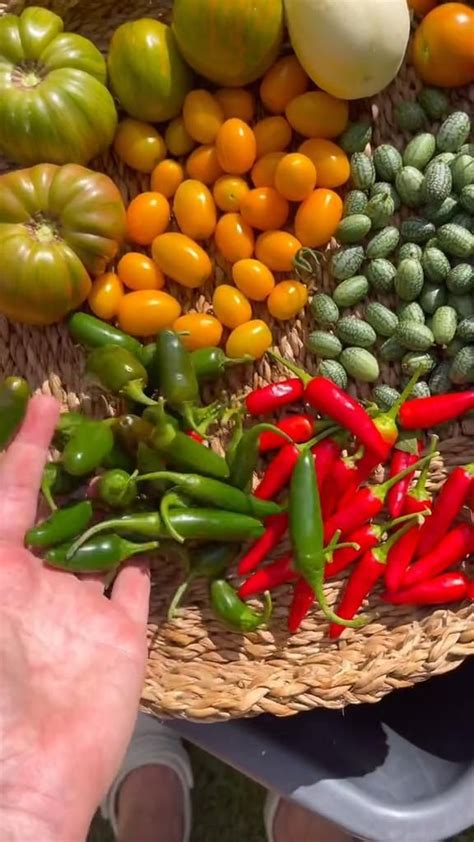
Adopting natural fertilizers is more than just a gardening technique; it’s an investment in the future of your land and a testament to the country living ethos. You’ll observe improved plant health, reduced pest problems, and a more resilient garden that can withstand environmental stresses. Over time, your soil will become a living, breathing entity, perpetually enriched and ready to support generations of healthy, productive growth.