

What’s the secret to baking truly flaky, buttery pie crust from scratch?

The Quest for the Perfect Pie Crust
There’s nothing quite like a homemade pie, and at the heart of every great pie lies a crust that is both wonderfully flaky and irresistibly buttery. While store-bought options offer convenience, mastering a scratch-made crust elevates your baking to new heights. The good news is that the ‘secret’ isn’t really a secret at all, but rather a combination of simple yet crucial techniques that, when followed diligently, guarantee a magnificent result every time.
The Foundation: Cold, Quality Ingredients
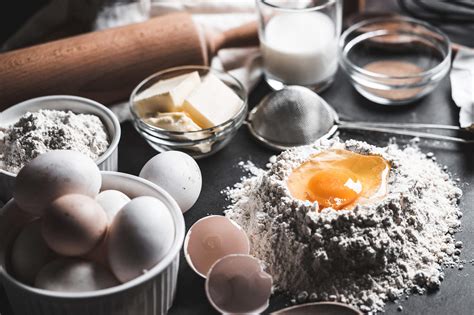
The journey to an exceptional pie crust begins with your ingredients. Always use unsalted, high-quality butter that is very cold, preferably straight from the refrigerator or even briefly chilled in the freezer. Cold butter creates pockets of steam during baking, which separate the layers of dough and result in that coveted flakiness. Similarly, your water must be ice-cold – some bakers even add ice cubes to a measuring cup and then remove them before adding the water.
While all-purpose flour works well, a good quality unbleached flour can also contribute to a tender crust. A pinch of salt is essential for flavor balance, cutting through the richness of the butter.
![[200+] Cold Pictures | Wallpapers.com](/images/aHR0cHM6Ly90czQubW0uYmluZy5uZXQvdGg/aWQ9T0lQLmh4NUpUalBwTDN4bmNlQWhHY21nVGdIYUU4JnBpZD0xNS4x.webp)
The Art of Fat Distribution
This is arguably the most critical step. Instead of melting the butter into the flour, you want to cut it into small, pea-sized pieces. You can achieve this using a pastry blender, two knives, or even a food processor (pulsing sparingly). The goal is to encase tiny bits of butter within the flour. These butter pieces will melt slowly in the oven, releasing steam and creating distinct layers, which is the hallmark of a flaky crust.
Avoid overworking the butter and flour mixture; you want a coarse, sandy texture with visible chunks of butter, not a smooth paste. Overmixing develops gluten too much, leading to a tough crust.
Hydration and Handling: Less is More
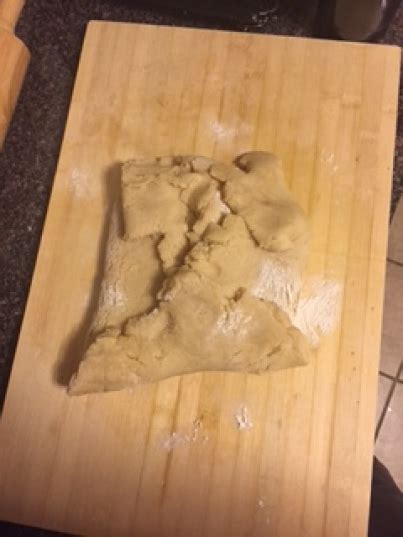
Once your butter is properly incorporated, it’s time to add the ice water. Do this gradually, a tablespoon at a time, mixing with your hands until the dough just comes together. The exact amount of water can vary based on humidity and flour type, so go by feel. The dough should be shaggy and moist enough to hold together when squeezed, but not sticky or wet.
Resist the urge to knead the dough extensively. Overhandling develops gluten, which makes the crust tough. You’re aiming for minimal mixing, just enough to hydrate the flour and bring the dough together. Think of it as gently coaxing the ingredients into a cohesive mass rather than forcing them.

The Crucial Rest
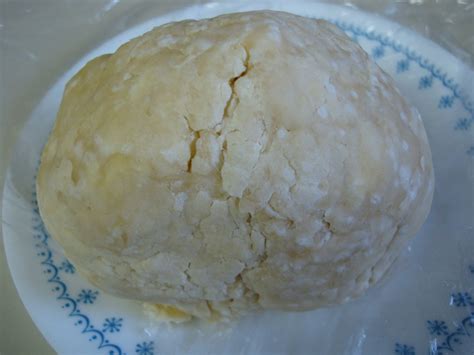
Once formed, wrap your dough tightly in plastic wrap and refrigerate it for at least 30 minutes, or ideally, an hour or two. This resting period is vital for several reasons. Firstly, it allows the flour to fully hydrate, making the dough easier to roll without cracking. Secondly, and perhaps most importantly, it gives the gluten a chance to relax. Relaxed gluten prevents shrinkage during baking and contributes to a more tender, flaky crust.
Rolling and Baking for Perfection
When ready to roll, work quickly on a lightly floured surface. Roll the dough evenly from the center outwards, rotating it frequently to prevent sticking and ensure a uniform thickness. Once in your pie dish, gently ease it in without stretching, which can lead to shrinkage. For optimal flakiness, many recipes benefit from blind baking, especially for custard or no-bake fillings, which helps set the crust and prevent a soggy bottom.
Bake your pie at the recommended temperature, often starting higher to encourage flakiness before reducing it. Keep an eye on the crust’s color; a golden brown indicates proper caramelization and a delicious flavor.
Bringing It All Together
The secret to truly flaky, buttery pie crust from scratch isn’t a single magic ingredient, but rather an understanding and application of coldness, precise fat distribution, gentle handling, and strategic resting. Each step plays a vital role in creating those delicate, buttery layers that make homemade pie so irresistible. With practice and patience, you’ll soon be turning out perfect pie crusts that are the envy of every baker.