


How do you share authentic ‘real food’ kitchen fails without losing trust?

Embracing Imperfection in the ‘Real Food’ Kitchen
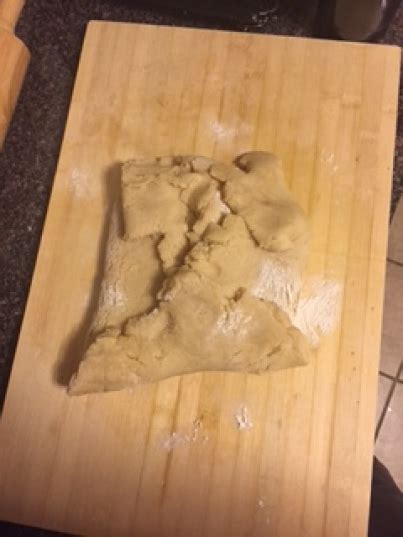
In an era dominated by perfectly curated social media feeds, the pressure to present an impeccable culinary journey is immense, especially for those in the ‘real food’ space. We share beautiful sourdough loaves, vibrant salads, and aesthetically pleasing meals. But what about the burnt crusts, the collapsed soufflés, or the times an experimental recipe goes completely awry? Sharing these authentic kitchen fails can be a powerful tool for connection, yet the fear of losing trust or appearing incompetent often holds us back. The key lies in strategic, thoughtful disclosure.
Why Authenticity Resonates (And Fails Happen)
Your audience wants to connect with a real person, not a robot or a perpetually perfect chef. Authenticity builds a deeper bond, showing that you understand their struggles and that the journey to ‘real food’ cooking is rarely without its bumps. Kitchen fails are an inevitable part of cooking, especially when experimenting with new ingredients, techniques, or relying on intuition rather than strict recipes.
When you share a flop, you’re not just showing a mistake; you’re illustrating resilience, the learning process, and the reality that even experienced cooks have off days. This relatability humanizes your brand and makes your successes even more inspiring because they’re seen as earned triumphs.
The Art of Storytelling: From Flop to Fan Favorite
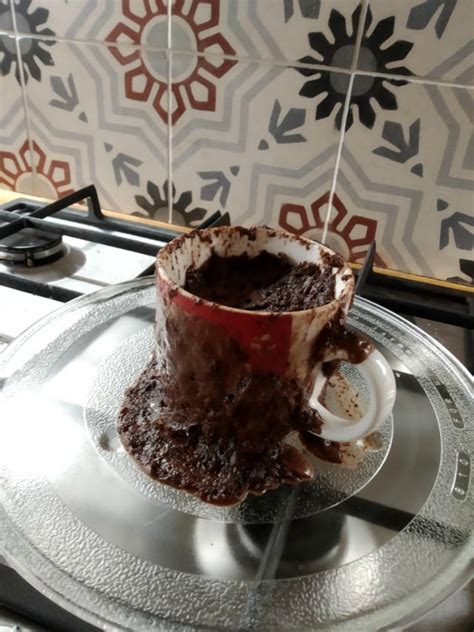
It’s not just about showing a picture of a disaster; it’s about telling the story behind it. What happened? What were you trying to achieve? What went wrong? And most importantly, what did you learn? A compelling narrative turns a simple mistake into an engaging piece of content that can educate and entertain your audience.
Perhaps you tried to sprout lentils for the first time, only to have them mold, leading you to research proper ventilation. Or maybe a gluten-free bread recipe didn’t rise, teaching you the critical role of yeast activation. These stories transform a ‘fail’ into a valuable lesson, reinforcing your expertise not just in cooking, but in problem-solving and continuous improvement.
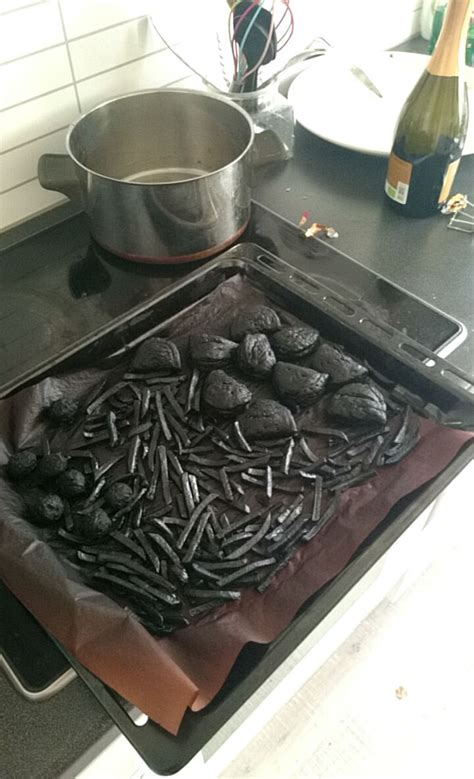
Practical Tips for Sharing Your Misfires Responsibly
1. Be Timely and Transparent
Share the fail relatively soon after it happens, while the experience is fresh. Be transparent about what went wrong and own it. Avoid making excuses; instead, focus on the facts and the outcome.
2. Emphasize the Learning and Growth
Every fail is a learning opportunity. Frame your sharing around what you discovered. Did you learn a new technique? A new ingredient interaction? How to salvage a dish? This positions you as a knowledgeable guide who learns from experience, rather than someone who just makes mistakes.

3. Keep it Relatable and Humorous (When Appropriate)
Injecting a dose of humor can lighten the mood and make your audience feel even more connected. We’ve all had those moments where we just have to laugh at ourselves in the kitchen. Sharing a funny anecdote about your fail can be incredibly endearing. However, ensure the humor doesn’t detract from any genuine lesson learned.
4. Offer Solutions or Next Steps
If possible, follow up a fail post with a success story or tips on how others can avoid your mistake. For example, if your sourdough starter died, share how you revived it or started a new, successful one. This demonstrates your ability to overcome challenges and provides actionable value to your audience.

When Not to Share (Finding the Line)
While authenticity is valuable, there’s a fine line. Avoid sharing fails that could be interpreted as a lack of basic food safety knowledge or consistently poor cooking skills. The goal is to show you’re human, not that you’re unsafe or incapable. Also, consider the intent: are you sharing to genuinely connect and teach, or just to vent? The former builds trust; the latter can erode it.
Conclusion: Building Trust, One Flop at a Time
Sharing ‘real food’ kitchen fails isn’t about exposing your weaknesses; it’s about showcasing your humanity, your resilience, and your continuous journey of learning. By embracing transparency, focusing on the lessons, and presenting your mishaps with an honest, humble, and sometimes humorous approach, you can actually strengthen your audience’s trust and build a more authentic, relatable community around your passion for real food.