




Best natural ways to preserve homegrown produce without canning?

There’s a special kind of satisfaction that comes from harvesting your own homegrown produce. The vibrant colors, the fresh aromas, and the unparalleled taste are rewards for your hard work. But what do you do when your garden yields more than you can eat fresh? While canning is a time-honored tradition, it’s not the only way to preserve your bounty. For those seeking simpler, more natural methods that don’t require specialized equipment or extensive processing, a world of alternatives awaits.
Why Explore Alternatives to Canning?
Many home gardeners are drawn to natural preservation methods for several reasons. Perhaps the upfront cost of canning equipment is prohibitive, or the process itself feels too complex. Others prefer to avoid the high heat processing, believing it might diminish certain nutrients or alter the produce’s fresh flavor. Whatever your motivation, embracing canning-free preservation techniques can connect you more deeply with traditional practices and offer delightful ways to enjoy your harvest year-round.

Dehydration: Harnessing the Power of Air and Sun
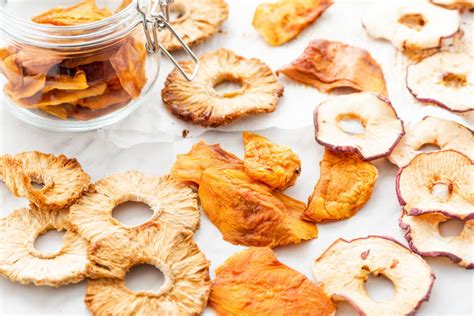
Drying is one of humanity’s oldest preservation methods, effectively removing moisture to prevent spoilage. From sun-drying to using a modern dehydrator, this technique is versatile and works wonders for fruits, vegetables, and herbs.
How to Dehydrate:
- Sun-Drying: Best for thin-skinned fruits and herbs in hot, dry climates. Spread thinly on screens and cover to protect from pests.
- Dehydrator: Offers controlled temperature and airflow, ideal for a wider range of produce. Slice items uniformly for even drying.
- Oven Drying: A low-temperature oven can also work, but requires careful monitoring and often longer times.
Ideal for: Tomatoes, apples, berries, herbs, peppers, zucchini, carrots.
Freezing: Nature’s Pause Button
Freezing is arguably the easiest and most common way to preserve homegrown produce without canning. It locks in freshness, flavor, and nutrients, allowing you to enjoy your harvest months later.
Key Steps for Freezing:
- Blanching: For most vegetables, a quick blanch in boiling water followed by an ice bath stops enzyme action, preserving color, flavor, and texture.
- Flash Freezing: Spread items (like berries or corn kernels) in a single layer on a baking sheet to freeze individually before transferring to freezer bags. This prevents clumping.
- Proper Packaging: Use airtight freezer bags or containers to prevent freezer burn. Remove as much air as possible.
Ideal for: Berries, corn, green beans, peas, broccoli, peppers, squash, herbs.
Root Cellaring and Cool Storage: The Earth’s Refrigerator
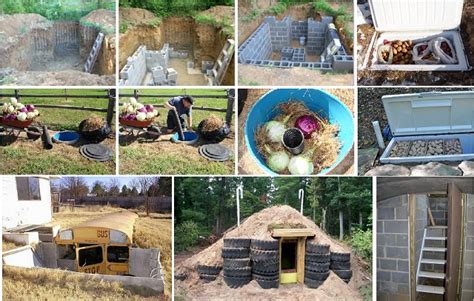
Before refrigeration, root cellars were essential for extending the life of many crops. Even without a traditional underground cellar, many vegetables can thrive in cool, dark, and humid conditions—like a cool basement, unheated garage, or even specific cupboards.
Optimal Conditions:
- Temperature: Generally 35-50°F (2-10°C).
- Humidity: High humidity is crucial for root vegetables to prevent shriveling.
- Darkness: Prevents sprouting and maintains quality.
- Air Circulation: Good airflow helps prevent mold.
Ideal for: Potatoes, carrots, beets, apples, squash, onions, garlic, cabbage.
Fermentation: The Art of Live Preservation
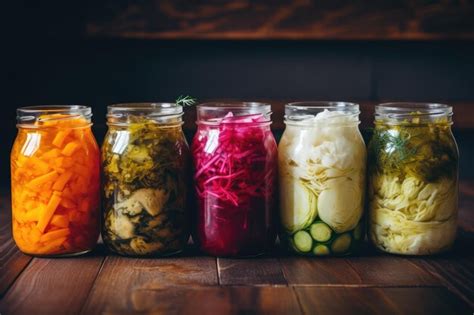
Fermentation is an ancient technique that transforms raw produce into probiotic-rich foods with extended shelf lives. Lactic acid bacteria, naturally present on vegetables, convert sugars into lactic acid, creating an acidic environment that inhibits spoilage organisms.
Simple Fermentation:
- Brine Method: Submerge vegetables in a saltwater solution (brine) in an anaerobic environment (like a jar with an airlock or a weighted lid).
- Dry Salting: For items like cabbage, massage with salt to draw out natural juices, which then form the brine.
Ideal for: Cabbage (sauerkraut), cucumbers (pickles), carrots, green beans, peppers, mixed vegetables (kimchi).
Tips for Successful Natural Preservation
No matter which method you choose, a few general principles will help ensure your preservation efforts are successful and safe:
- Harvest at Peak: Only preserve produce that is at its prime ripeness and free from blemishes.
- Cleanliness is Key: Wash produce thoroughly to remove dirt and debris.
- Know Your Produce: Research the best preservation method for each type of fruit or vegetable.
- Label and Date: Clearly label all preserved items with the date and contents to track freshness.
- Monitor Stored Goods: Regularly check your preserved goods for any signs of spoilage.
Embracing these natural, canning-free preservation methods not only extends the enjoyment of your homegrown harvest but also fosters a deeper connection to sustainable living and age-old culinary traditions. Experiment with different techniques to discover your favorites and build a diverse pantry filled with the flavors of your garden.