


How to get picky eaters to enjoy homegrown real food?

Feeding picky eaters can be one of parenthood’s greatest culinary challenges, especially when your goal is to introduce them to the wholesome goodness of homegrown, real food. The vibrant bounty from your garden offers unparalleled nutrition and flavor, but convincing a skeptical child to try a new vegetable can feel like an uphill battle. Fear not! With a dash of creativity, a sprinkle of patience, and a whole lot of involvement, you can transform mealtime struggles into opportunities for discovery and enjoyment.
From Seed to Plate: Involve Them Early
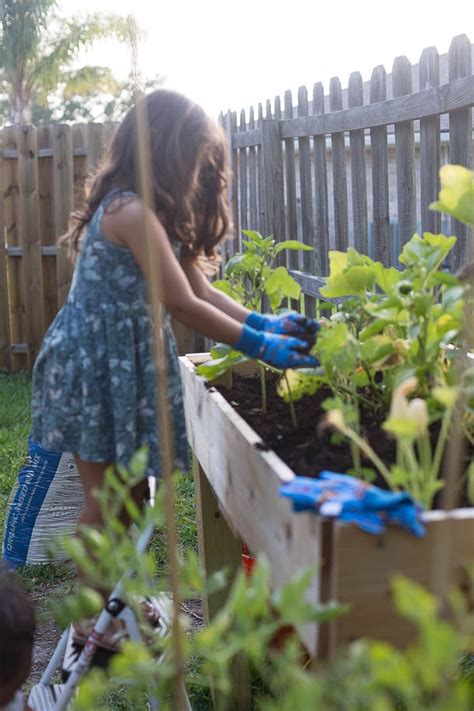
One of the most effective ways to pique a child’s interest in food is to involve them in its origin. When children help plant a seed, water a sprout, and watch it grow into a fruit or vegetable, they develop a sense of ownership and curiosity. This connection makes them far more likely to taste and appreciate the literal fruits of their labor.
Start small: give them their own pot for a cherry tomato plant, a corner of the garden for radishes, or even a window box for herbs. Let them choose what to grow (within reason!), teach them about plant care, and celebrate every tiny sprout and harvest. The experience of plucking a ripe berry or crisp lettuce leaf they helped cultivate is incredibly powerful.

The Kitchen Classroom: Cooking Together
Once the produce is harvested, the next step is to bring them into the kitchen. Cooking together transforms food from a mysterious plate item into an exciting, hands-on activity. Age-appropriate tasks, no matter how simple, empower children and make them more invested in the meal.
Younger children can wash vegetables, tear lettuce, or stir ingredients in a bowl. Older children can measure, chop (with supervision), or even follow simple recipes. Talk about the ingredients: where they came from, their colors, their smells. Let them experiment a little – maybe they want to add an extra herb or design a plate. When kids have a hand in preparing the food, they’re much more inclined to taste it and proudly say, “I made this!”
Fun with Food: Presentation and Play
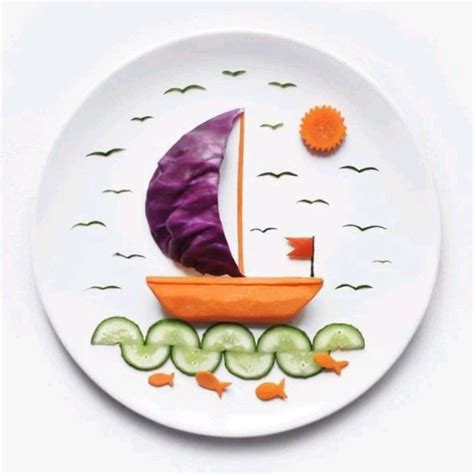
Sometimes, all it takes is a little creativity to turn a “yuck” into a “yum.” Children eat with their eyes, and appealing presentation can make a world of difference. Think vibrant colors, fun shapes, and playful names.
Use cookie cutters to turn cucumber slices into stars or sandwiches into animals. Arrange vegetables to create a face on the plate. Give dishes silly names like “super strength spinach smoothie” or “rainbow power pasta.” Tell stories about where the food comes from, or its nutritional benefits in a child-friendly way (e.g., carrots help you see in the dark!). Making food a fun, imaginative experience can break down resistance and encourage adventurous eating.
Patience and Persistence: A Long-Term Game
Introducing new foods to picky eaters is rarely a one-shot deal. It often takes multiple exposures – sometimes 10-15 times – before a child accepts a new taste or texture. The key is patience and persistence, without pressure.
Offer a small portion of the new food alongside familiar favorites. Avoid making a big deal if they don’t eat it; simply remove the plate without comment. Continue to offer it again a few days later. Lead by example by enthusiastically eating your own vegetables and talking about how delicious they are. Create a positive, relaxed mealtime atmosphere where food exploration is encouraged, not forced.

Empowerment Through Choice: A Little Autonomy Goes a Long Way
Picky eaters often thrive on a sense of control. While you should decide what foods are offered, allowing them some autonomy over which of those foods they choose can be beneficial. This is where your homegrown bounty truly shines, as you can offer a variety of healthy options.
For example, instead of asking, “Do you want peas?” try, “Would you like peas or green beans with your dinner tonight?” Let them pick one vegetable from a small selection of two or three. You could also set up a “salad bar” with various homegrown ingredients and let them build their own plates. Giving them a sense of agency within healthy boundaries can significantly reduce resistance and increase their willingness to try new things.

Conclusion
Helping picky eaters embrace homegrown real food is a journey, not a destination. It requires creativity, consistency, and a deep understanding of child psychology. By involving them in the entire process from gardening to cooking, making meals fun and engaging, and practicing patience, you’re not just expanding their palate; you’re cultivating a lifelong appreciation for healthy, wholesome food and the joy of a shared family experience around the table.