



Family garden: involving kids in growing & cooking real food?

Cultivating Connection: Why Get Kids Involved?
In an age where processed foods dominate and screen time often replaces outdoor play, the simple act of growing and cooking real food with your children offers a profound antidote. A family garden isn’t just about cultivating vegetables; it’s about nurturing curiosity, responsibility, and a deeper connection to nature and healthy eating habits. Involving kids from seed to plate transforms mundane chores into exciting adventures, building life skills and lasting memories along the way.

Benefits Beyond the Harvest: Learning and Growing Together
The advantages of a family garden extend far beyond fresh produce. For children, it’s a living classroom. They learn about biology, weather patterns, and the importance of patience as they watch tiny seeds sprout and mature. They develop motor skills through digging, watering, and harvesting. In the kitchen, they grasp basic math concepts through measuring ingredients and understand nutrition in a tangible way. Most importantly, it fosters a sense of accomplishment and pride in eating something they helped create.
Healthier Eaters, Happier Families
Studies show that children involved in growing food are more likely to try and enjoy a wider variety of fruits and vegetables. The “yuck factor” diminishes when they have a personal stake in the food’s journey. This direct involvement can be a powerful tool in combating picky eating and instilling healthy eating habits that will last a lifetime. Plus, the shared experience of gardening and cooking strengthens family bonds, creating opportunities for conversation and teamwork.

Getting Your Hands Dirty: Simple Steps for Young Gardeners
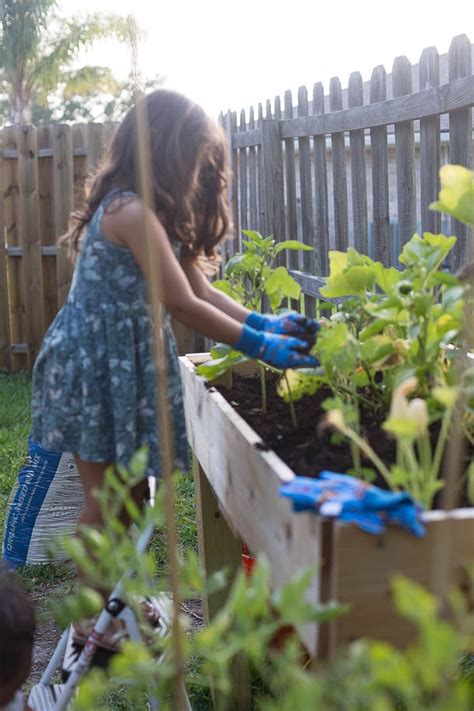
Starting a family garden doesn’t require acres of land or expert knowledge. Begin small and choose easy-to-grow plants. Herbs like basil and mint, sturdy vegetables such as cherry tomatoes, snap peas, radishes, and lettuce are all fantastic choices that offer quick rewards, keeping children engaged. Let your kids help plan the garden, choosing what they’d like to grow. Assign them their own small patch or pot to be solely responsible for, fostering a sense of ownership.
Age-Appropriate Garden Tasks
- Toddlers (1-3 years): Watering with a small can, “planting” large seeds (beans, peas), harvesting ripe berries.
- Preschoolers (3-5 years): Digging holes, planting seedlings, gently pulling weeds, washing produce.
- School-Aged (6+ years): Helping with garden design, identifying pests, researching plant needs, composting.

From Soil to Stove: Bringing the Harvest Indoors
Once the garden yields its treasures, the kitchen becomes the next exciting learning ground. Involving kids in meal preparation completes the cycle, showing them how fresh ingredients transform into delicious dishes. Start with simple recipes that highlight your garden’s bounty, like a fresh salad, homemade pesto, or roasted vegetables.
Kitchen Fun for All Ages
- Little Chefs (1-4 years): Washing vegetables, tearing lettuce, stirring ingredients (with supervision), mashing soft fruits.
- Growing Gourmets (5-8 years): Measuring ingredients, cracking eggs, simple chopping with child-safe knives, setting the table.
- Junior Cooks (9+ years): Following recipes independently, using kitchen tools, basic cooking techniques (frying, baking) with adult guidance.
Emphasize safety, good hygiene, and tasting along the way. Celebrate their contributions, no matter how small, and encourage them to experiment with flavors.

Nurturing a Lifelong Love for Real Food
The journey of growing and cooking real food with your children is not always pristine. There will be dirt, spills, and perhaps even some garden failures. But these are all part of the learning process. The key is to keep it fun, focus on the experience, and celebrate every small victory. By empowering children to connect with where their food comes from, you are not just teaching them practical skills; you are fostering an appreciation for nature, promoting healthy habits, and building a foundation for a lifetime of informed and joyful eating.
Embrace the mess, cherish the moments, and watch as your family thrives, not just in the garden, but around the dinner table, savoring the fruits of your shared labor.