




What’s the safest method for preserving summer garden bounty without a pressure canner?

The summer garden is a bounteous giver, overflowing with fresh produce, vibrant herbs, and juicy fruits. While a pressure canner is essential for low-acid foods like most vegetables and meats, its absence doesn’t mean you can’t safely preserve your harvest. There are several time-tested and reliable methods to ensure your summer flavors last well into the colder months. Understanding the science behind each technique is key to keeping your pantry stocked and your food safe.
Understanding Safe Preservation Without Pressure Canning
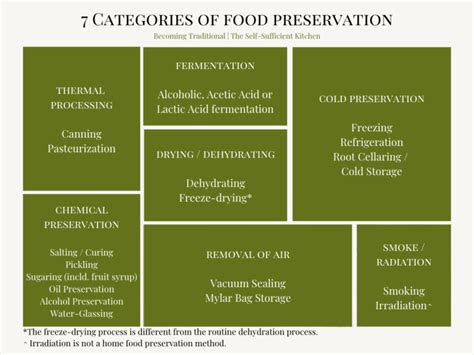
The primary concern in food preservation is preventing the growth of harmful bacteria, particularly Clostridium botulinum, which thrives in low-acid, anaerobic environments. Pressure canning achieves temperatures high enough to destroy these spores. Without one, your focus must shift to methods that either create a highly acidic environment, remove moisture, or store food at freezing temperatures, effectively inhibiting bacterial growth.
Water Bath Canning: For High-Acid Foods Only
Water bath canning is the go-to method for preserving high-acid foods. This includes fruits, fruit juices, jams, jellies, fruit butters, pickles, relishes, chutneys, sauces (like barbecue sauce), and tomatoes (with added acid). The process involves submerging sealed jars in boiling water for a specific period, creating a vacuum seal and destroying spoilage organisms that cannot survive in high-acid conditions.
- What you need: A large pot with a lid and a rack (or a dedicated water bath canner), canning jars, new lids, screw bands, and a jar lifter.
- Safety is paramount: Always use tested recipes from reputable sources (like university extensions). Do not attempt to water bath can low-acid foods, as this is unsafe.
- Added acid: When canning tomatoes, even though they are generally considered acidic, many recipes recommend adding lemon juice or citric acid to ensure the pH is low enough for safe water bath processing.
Freezing: Simplicity and Versatility
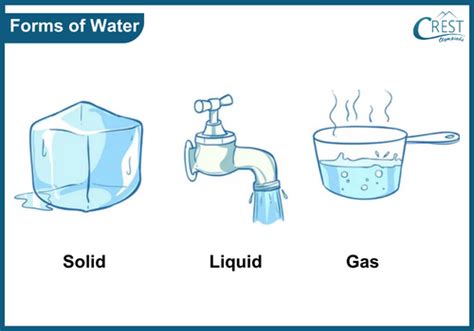
Freezing is arguably the easiest and most versatile method for preserving almost any type of produce. It halts microbial growth and slows down enzyme activity that causes spoilage. Most fruits and vegetables can be frozen, often with minimal preparation.
- Blanching: For most vegetables, blanching (briefly boiling, then plunging into ice water) is crucial before freezing. This inactivates enzymes that can cause loss of flavor, color, and texture over time in the freezer.
- Packaging: Use freezer-safe bags, containers, or vacuum sealers to prevent freezer burn and maintain quality. Remove as much air as possible.
- What to freeze: Berries, sliced peaches, corn kernels, green beans, peas, herbs (chopped in oil or water), pesto, and even roasted tomato sauce are excellent candidates.
Dehydrating: Concentrated Flavor and Long Shelf Life
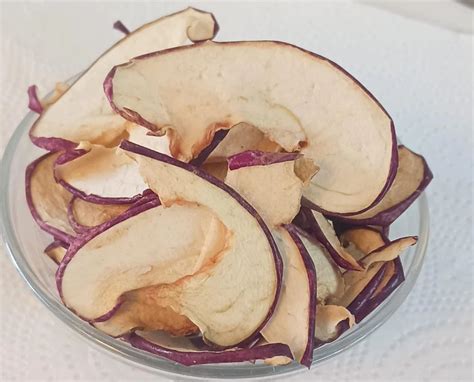
Dehydrating removes water content from food, making it inhospitable for bacteria, yeasts, and molds. This method creates lightweight, shelf-stable ingredients with intensified flavors.
- Methods: A food dehydrator offers the most consistent results, but a low-temperature oven or even sun drying (in appropriate climates) can also be used.
- Best for: Fruit leathers, dried fruit slices (apples, bananas, mangoes), herbs, sun-dried tomatoes, and even vegetable chips.
- Storage: Store dehydrated foods in airtight containers in a cool, dark place to prevent moisture reabsorption and maintain quality.
Fermentation and Pickling: Flavorful Preservation
Fermentation and pickling utilize beneficial microorganisms or acidic solutions to preserve food while often enhancing its flavor and nutritional value.
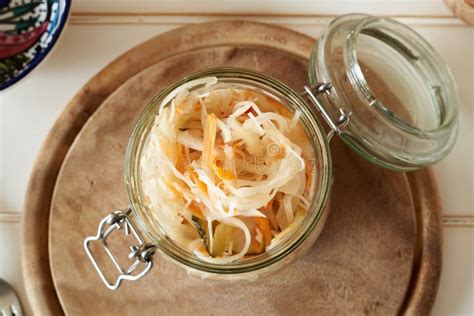
- Fermentation: This process uses naturally occurring bacteria (like lactic acid bacteria) to convert sugars into lactic acid, creating an acidic environment that preserves the food. Examples include sauerkraut, kimchi, and fermented pickles.
- Vinegar Pickling: This method relies on a brine with a high concentration of vinegar (acetic acid) to preserve vegetables. Quick pickles and traditional pickled cucumbers are common examples.
- Safety: For fermentation, ensure proper salt concentrations and anaerobic conditions. For vinegar pickling, ensure the vinegar concentration is high enough (typically 5% acidity or higher) to achieve a safe pH.
Key Safety Considerations for All Methods
Regardless of the method you choose, adherence to safety guidelines is paramount. Always use clean equipment, fresh and high-quality produce, and follow tested recipes precisely. Never deviate from recommended processing times or ingredient ratios, especially for canning and pickling. When in doubt, freeze it. Understanding the principles of food preservation will not only keep your family safe but also empower you to enjoy your garden’s bounty year-round.
Conclusion: Enjoy Your Harvest Safely
While a pressure canner is a valuable tool, its absence should not deter you from preserving the delicious abundance of your summer garden. From the vibrant jars of water-bath canned jams to the convenience of frozen vegetables, the concentrated flavors of dehydrated fruits, and the tangy zest of fermented delights, there are numerous safe and rewarding ways to extend the season’s joy. Choose the methods that best suit your produce, your equipment, and your family’s preferences, always prioritizing safety for a deliciously preserved harvest.