


Tips for turning garden excess into delicious homemade pantry staples?

The joy of a thriving garden often comes with a delightful challenge: an abundance of fresh produce that simply can’t be consumed fast enough. Instead of letting your hard work go to waste, embrace the art of food preservation. Transforming garden excess into homemade pantry staples is a time-honored tradition that not only reduces waste but also fills your shelves with wholesome, flavorful ingredients, ready to enjoy long after the growing season ends.
Embracing the Harvest: Why Preserve Your Bounty?
Preserving your garden’s output is more than just a chore; it’s an act of sustainability, frugality, and culinary creativity. Imagine having sun-ripened tomatoes for sauces in winter, sweet berry jams for breakfast, or crisp pickled cucumbers for a snack. It allows you to control ingredients, avoid artificial additives, and savor the unique taste of your own garden throughout the year. From reducing grocery bills to ensuring healthy, organic options are always on hand, the benefits of a well-stocked pantry from your backyard are immeasurable.
Canning Classics and Creative Twists
Canning is perhaps the most iconic method for preserving garden produce, famous for its ability to create shelf-stable jars of goodness. Tomatoes are a prime candidate for canning, transforming into sauces, purees, and diced tomatoes. Fruits like berries, peaches, and cherries make exquisite jams, jellies, and pie fillings. Don’t forget the vegetables: green beans, corn, and even carrots can be pressure canned. Experiment with pickling cucumbers, dilly beans, or even pickled bell peppers for a tangy kick.
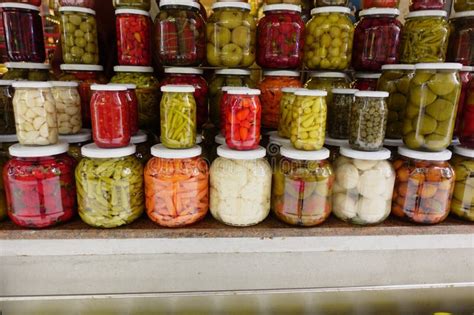
Always follow tested recipes and proper canning procedures (water bath or pressure canning, depending on the food’s acidity) to ensure safety and quality. Investing in a good canning guide is highly recommended for beginners.
Freezing for Freshness and Convenience
Freezing is one of the simplest and most effective ways to preserve the fresh taste of your garden. Many vegetables, such as green beans, corn, peas, and broccoli, simply need to be blanched briefly before freezing to retain their color, texture, and nutrients. Fruits can often be frozen raw, either whole or sliced, perfect for smoothies, baking, or desserts. Consider pureeing excess berries or stone fruits for sauces and coulis, or making pesto from an abundance of basil and freezing it in ice cube trays.

Freezing offers unparalleled convenience, allowing you to grab exact portions as needed. Proper packaging, such as vacuum-sealed bags or airtight containers, is key to preventing freezer burn and maintaining quality.
Dehydration: Concentrated Flavor and Space Saving
Dehydration involves removing moisture from food, inhibiting spoilage and concentrating flavors. A food dehydrator or even a low oven can transform herbs, fruits, and vegetables into potent pantry powerhouses. Dry herbs like oregano, thyme, and mint for year-round seasoning. Slice apples, pears, or bananas for healthy, chewy snacks. Tomatoes can be sun-dried or oven-dried for an intense burst of flavor in winter dishes.
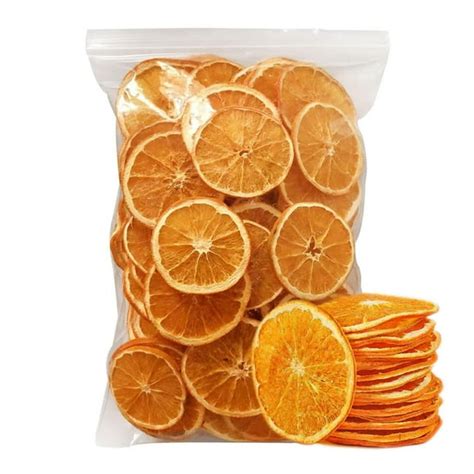
Dehydrated foods are lightweight and take up minimal storage space, making them excellent for hiking trips or long-term emergency provisions. Ensure foods are completely dry before storing in airtight containers to prevent mold.
Beyond the Basics: Fermentation and Infusions
Don’t limit yourself to just canning, freezing, and drying. Fermentation is an ancient technique that produces gut-healthy foods like sauerkraut from cabbage, kimchi from various vegetables, or lacto-fermented pickles. These methods introduce beneficial bacteria and create unique, tangy flavors.
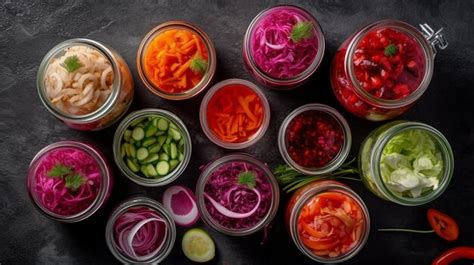
Another creative approach is making infused oils and vinegars. Use herbs like rosemary, thyme, or chili peppers to infuse olive oil or apple cider vinegar, adding gourmet touches to your cooking. Just be mindful of safety guidelines for infused oils, especially regarding refrigeration.
Smart Storage and Labeling
Once your garden excess is transformed, proper storage is crucial. Label every jar, bag, or container with the contents and date of preservation. This helps with inventory management and ensures you use older items first. Store canned goods in a cool, dark place, away from direct sunlight. Frozen items should be kept at a consistent 0°F (-18°C) or below. Dehydrated goods require airtight containers in a cool, dark, dry place.

A well-organized pantry isn’t just aesthetically pleasing; it’s a testament to your hard work and a source of culinary inspiration. Turning garden excess into pantry staples is a rewarding journey that connects you more deeply with your food, promotes self-sufficiency, and ensures a taste of summer’s bounty even in the depths of winter. Happy preserving!