




Easy, frugal recipes to use excess produce from a small homestead garden?

Making the Most of Your Garden’s Abundance
A small homestead garden brings immense joy, fresh flavors, and a sense of self-sufficiency. But sometimes, especially during peak season, it also brings a delightful dilemma: what to do with all that excess produce? From zucchini explosions to tomato tidal waves, keeping up can feel overwhelming. The good news is that with a few easy, frugal recipes and smart preservation techniques, you can transform your garden’s bounty into delicious meals and pantry staples that last all year long.
Fresh Feasts: Recipes for Immediate Enjoyment
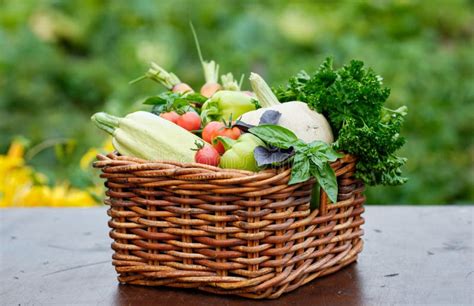
When the harvest is coming in fast, the first line of defense is to integrate fresh produce into as many meals as possible. These recipes prioritize ease, flavor, and minimal cost, often using ingredients you already have on hand.
Zucchini & Squash: The Versatile Workhorse
Often the most prolific crop, zucchini and summer squash are incredibly adaptable. Beyond simply sautéing, consider:
- Zucchini Fritters: Grate zucchini, mix with an egg, a little flour, and your favorite seasonings (garlic, onion powder, dill). Pan-fry until golden brown. Serve with a dollop of Greek yogurt or sour cream.
- Quick Zucchini Bread/Muffins: A classic for a reason! Use a simple recipe, perhaps swapping some oil for applesauce to make it even healthier and lighter.
- Garden Stir-Fry: Chop zucchini, bell peppers, onions, carrots, and any other garden extras. Sauté with soy sauce, ginger, and garlic for a quick, healthy meal over rice.
Tomato Transformations: From Vine to Table
When tomatoes ripen all at once, they beg to be celebrated.
- Fresh Salsa: Dice tomatoes, onions, cilantro, jalapeños, and lime juice. Perfect with chips or as a topping for grilled meats.
- Caprese Skewers: Alternate cherry tomatoes, fresh basil leaves, and small mozzarella balls. Drizzle with balsamic glaze. Elegant and simple.
- No-Cook Tomato Sauce: Blend ripe tomatoes with garlic, olive oil, and fresh basil. Use immediately over pasta for a vibrant, fresh sauce.

Preserving the Harvest: Frugal Options for Later
When you’ve eaten all you can fresh, it’s time to preserve! These methods extend your garden’s life without breaking the bank.
Canning & Pickling: Time-Honored Traditions
Canning might sound intimidating, but many recipes are straightforward, especially for beginners.
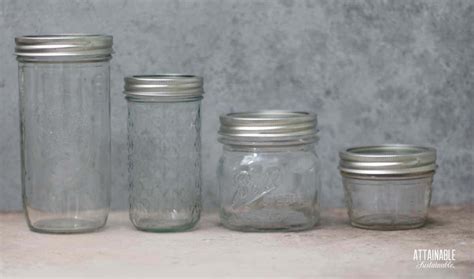
- Dill Pickles: Cucumbers are perfect for quick refrigerator pickles or true canning. A simple brine of vinegar, water, salt, garlic, and dill seeds is all you need.
- Tomato Sauce/Crushed Tomatoes: Simmering excess tomatoes down into a rich sauce or simply crushing them for future use is incredibly rewarding. A water-bath canner makes this safe and effective.
- Fruit Jams & Jellies: If your garden includes berries or other fruits, a simple jam recipe (fruit, sugar, pectin) transforms them into spreadable gold.
Freezing: The Easiest Way to Store
For sheer ease, freezing often wins. Most vegetables just need a quick blanching.
- Blanched Zucchini/Summer Squash: Slice, blanch for 2-3 minutes in boiling water, plunge into ice water, drain well, and freeze flat on a baking sheet before transferring to bags. Great for soups and stews.
- Frozen Berries: Wash, pat dry, freeze in a single layer, then transfer to freezer bags. Perfect for smoothies or baking.
- Herbs in Oil: Chop fresh herbs (basil, parsley, cilantro) and pack into ice cube trays. Cover with olive oil and freeze. Pop out cubes for cooking.
Drying: Ancient Methods, Modern Uses
A dehydrator or even your oven on its lowest setting can work wonders.
- Dried Herbs: Hang bundles of herbs in a dry, dark place, or use a dehydrator. Crumble once dry.
- Sun-Dried Tomatoes (Oven Method): Halve cherry tomatoes or slice larger ones. Toss with a little salt and olive oil. Bake at the lowest oven temperature for several hours until shriveled and chewy. Store in olive oil in the fridge.
Embrace the Frugal & Creative Mindset
The key to using excess produce without feeling wasteful or overwhelmed is a mindset of creativity and frugality. Think about how you can combine different garden offerings into one dish. Can those extra carrots go into a pesto with basil? Can the surplus cucumbers be fermented into delicious lacto-fermented pickles? Don’t be afraid to experiment! Leftovers from your fresh meals can often be frozen or transformed into something new.
- Soup Stock: Save all your vegetable scraps (onion skins, carrot tops, celery ends, even herb stems) in a freezer bag. When full, simmer them with water for a rich, free vegetable stock.
- Pesto Variations: Beyond basil, make pesto from kale, spinach, radish greens, or carrot tops.
- Roasted Vegetable Medleys: Toss any and all extra vegetables with olive oil, salt, pepper, and herbs. Roast until tender and slightly caramelized. Delicious as a side or added to grain bowls.

Conclusion: Savoring Your Homestead’s Bounty
Your small homestead garden is a testament to your hard work and connection to the land. By adopting a few simple, frugal recipes and preservation techniques, you can ensure that every precious fruit and vegetable is enjoyed to its fullest. Not only will you reduce food waste and save money, but you’ll also gain the satisfaction of truly living off the land, one delicious meal at a time. So, next time your garden explodes with abundance, embrace the challenge—and the delicious opportunities—it brings!