


Best natural, food-safe DIY finish for homemade wooden cutting boards?
Why a Food-Safe Finish is Crucial for Your Cutting Board
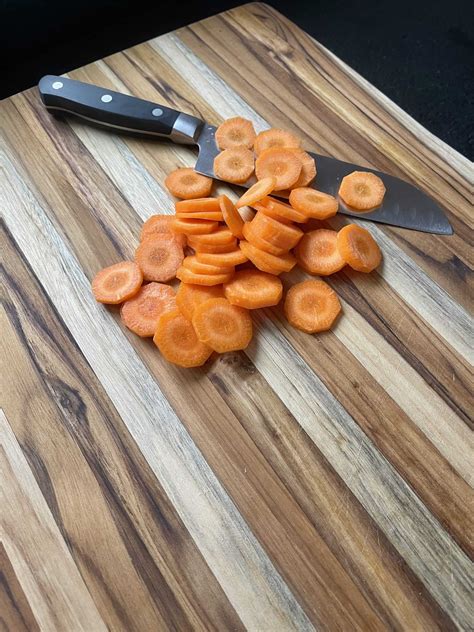
Crafting a wooden cutting board is a rewarding DIY project, but choosing the right finish is paramount. Unlike furniture, a cutting board comes into direct contact with food, meaning any finish applied must be absolutely non-toxic and food-safe. The goal is to protect the wood from moisture, prevent bacteria from soaking in, and keep the board looking beautiful, all while ensuring it won’t leach harmful chemicals into your meals.
Many common wood finishes contain chemicals that are not safe for food contact. For cutting boards, we turn to natural, ingestible substances that condition the wood from within rather than forming a surface film. Let’s explore the top contenders for a truly food-safe and effective finish.

The Gold Standard: Mineral Oil
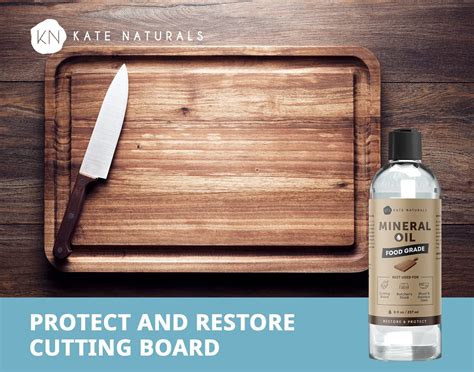
When it comes to a simple, effective, and undeniably food-safe finish, mineral oil is the undisputed champion. Also known as liquid paraffin, food-grade mineral oil is a non-toxic, non-drying petroleum-based product that penetrates deeply into wood fibers. It won’t go rancid, has no taste or odor, and is readily available at most pharmacies or grocery stores (often sold as a laxative).
Benefits of Mineral Oil:
- Food-Safe: Absolutely safe for direct food contact.
- Penetrates: Soaks into the wood, conditioning it from within and preventing it from drying out, cracking, or warping.
- Odorless & Tasteless: Won’t impart any unwanted flavors or smells to your food.
- Easy Application: Simple wipe-on, wipe-off process.
- Affordable: Very cost-effective.
Application Process:
Ensure your cutting board is clean, dry, and sanded smooth (at least to 220-grit). Apply a generous amount of mineral oil, allowing it to soak in for several hours, or even overnight. For the first application, multiple coats might be needed until the wood no longer absorbs the oil rapidly. Wipe off any excess with a clean, lint-free cloth. Regular reapplication (monthly or as needed) is key to maintaining protection.
Enhanced Protection: Mineral Oil and Beeswax Blend
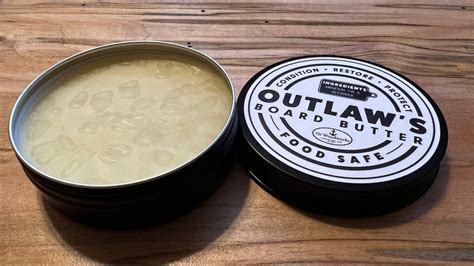
While mineral oil is excellent on its own, combining it with beeswax creates a superior finish often referred to as “board butter” or “wood conditioner.” Beeswax adds a protective layer that helps seal the wood surface, providing better water resistance and a more durable, lustrous finish. It also makes the board feel incredibly smooth.
How to Make and Apply Board Butter:
- Grate about 1 part beeswax (by weight) into a heat-safe container.
- Add 4 parts food-grade mineral oil.
- Gently heat the mixture using a double boiler or microwave until the beeswax is fully melted and blended with the mineral oil. Stir well.
- Pour the liquid into a clean container and let it cool completely until it solidifies into a soft, buttery consistency.
- To apply, simply scoop a small amount onto your board and rub it in thoroughly with a clean cloth or your hands. Allow it to penetrate for 15-30 minutes, then buff off any excess for a beautiful sheen.
Other Natural Oil Options (and Important Warnings)
While mineral oil and beeswax are the most recommended, a few other natural oils can be considered, but often come with caveats:
- Refined Coconut Oil: Fractionated or refined coconut oil (which has had the long-chain fatty acids removed) can be used as it is less prone to rancidity than virgin coconut oil. However, it doesn’t penetrate as deeply as mineral oil and may still become somewhat sticky over time.
- Walnut Oil: Food-grade walnut oil is a drying oil, meaning it polymerizes and hardens over time, offering good protection. It is food-safe once cured. The major drawback is that it’s an allergen, making it unsuitable for use on boards that might be used by individuals with nut allergies.
- Food-Grade Linseed Oil (Flaxseed Oil) / Tung Oil: Only use pure, food-grade (often labeled “polymerized” or “100% pure”) versions of these oils. Industrial linseed and tung oils contain metallic dryers and other chemicals that are toxic. Pure versions are drying oils that offer excellent water resistance and durability once cured, but take a long time to dry and can be expensive. Always verify they are specifically marketed as food-safe.
Oils to AVOID:
Never use common cooking oils like olive oil, vegetable oil, canola oil, or sunflower oil. These oils will go rancid over time, creating a sticky, foul-smelling surface on your cutting board and potentially harboring bacteria.

Maintenance Tips for a Long-Lasting Board
Regardless of the finish you choose, proper care will extend the life of your wooden cutting board:
- Clean Gently: Wash your cutting board with mild dish soap and warm water immediately after use. Avoid soaking it or putting it in the dishwasher, as this can cause warping and cracking.
- Dry Thoroughly: Always dry your board immediately after washing. Stand it on its edge to allow air circulation on all sides.
- Regular Reapplication: Reapply mineral oil or board butter whenever the wood starts to look dry or dull. A good rule of thumb is monthly, or more frequently if you use and wash your board often.
- Deep Cleaning: For stubborn stains or odors, sprinkle coarse salt on the board, rub with half a lemon, let sit for a few minutes, then scrape off and rinse.
Conclusion
For homemade wooden cutting boards, the best natural and food-safe DIY finish is undoubtedly food-grade mineral oil, either on its own or blended with beeswax. These options provide excellent protection, are easy to apply, affordable, and most importantly, completely safe for your family’s health. With regular care and reapplication, your beautiful handcrafted cutting board will remain a cherished and hygienic tool in your kitchen for years to come.