




How to keep homemade skillet cornbread moist and crumble-free?

There’s nothing quite like a warm slice of homemade skillet cornbread, golden and crusty on the outside, tender and flavorful on the inside. However, many home bakers struggle with cornbread that turns out dry, dense, or excessively crumbly. The good news is that with a few key techniques and ingredient considerations, you can consistently achieve that coveted moist, crumble-free texture. Let’s dive into the secrets.
The Foundation: Ingredients Matter
The journey to moist cornbread begins with your ingredient choices. The right balance of fats, liquids, and leavening agents is crucial.
- Buttermilk or Dairy: Buttermilk is a traditional secret weapon. Its acidity reacts with baking soda to create a tender crumb, and its natural fats contribute to moisture. If you don’t have buttermilk, whole milk or a mix of milk and yogurt/sour cream can work. Avoid skim milk, as the lack of fat will lead to a drier result.
- Fat Content: Don’t skimp on fat. Melted butter, bacon grease, or a good quality vegetable oil not only add flavor but also keep the cornbread moist. Using some fat to pre-grease and heat your cast iron skillet before adding the batter also creates a beautiful crust and helps prevent sticking.
- Cornmeal Type: While fine-ground cornmeal can yield a cakier texture, medium-ground cornmeal often provides the best balance of structure and tenderness. Avoid using only coarse-ground cornmeal, which can make the cornbread too rustic and prone to crumbling.

Mixing for Perfection, Not Dryness
One of the most common mistakes in cornbread baking is overmixing. Just like with muffins or pancakes, overmixing develops the gluten in the flour (if using) and cornmeal, leading to a tough, dry, and crumbly texture.
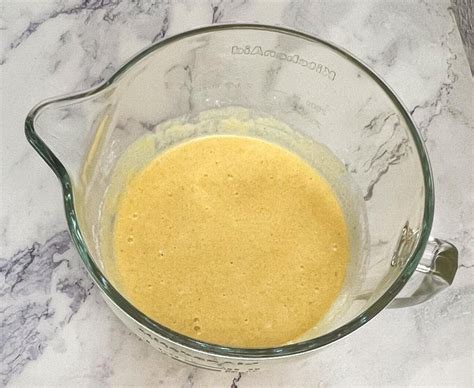
- Combine Dry and Wet Separately: Always mix your dry ingredients (cornmeal, flour, baking soda, baking powder, salt, sugar) in one bowl and your wet ingredients (buttermilk, eggs, melted fat) in another.
- Gentle Combination: Pour the wet ingredients into the dry, and mix just until combined. A few lumps are perfectly fine and even desirable. Stop mixing as soon as no dry streaks remain. This minimal mixing prevents gluten development and keeps the crumb tender.
Baking Smart: Temperature and Time
Proper baking is vital for achieving a moist interior and preventing over-drying.
- Preheat Skillet: Place your cast iron skillet in the oven while it preheats. This ensures the skillet is piping hot when the batter goes in, creating that signature crispy crust.
- Optimal Temperature: Most cornbread recipes call for a hot oven, typically between 375°F (190°C) and 425°F (220°C). A higher temperature helps the cornbread rise quickly and sets the crust while keeping the interior moist.
- Don’t Overbake: This is arguably the biggest culprit for dry cornbread. Start checking for doneness at the lower end of the suggested baking time. Cornbread is done when a wooden skewer or toothpick inserted into the center comes out clean or with moist crumbs attached (not wet batter). The top should be golden brown. Immediately remove it from the oven once done.

Post-Bake Care: Cooling and Storage
How you treat your cornbread after it comes out of the oven, and how you store it, also impacts its moisture and texture.
- Cool Slightly: Allow the cornbread to cool in the skillet for 5-10 minutes before inverting it onto a wire rack. This allows it to set without drying out too quickly and makes it easier to remove.
- Airtight Storage: Once completely cooled, store any leftover cornbread in an airtight container or wrapped tightly in plastic wrap at room temperature for up to 2 days. For longer storage, you can freeze it for up to 2-3 months. Exposing it to air will quickly dry it out.

Troubleshooting Common Crumbly Issues
If your cornbread is still crumbly despite your best efforts, consider these points:
- Too Much Cornmeal: A recipe with too high a ratio of cornmeal to flour (if using flour) or insufficient liquid can lead to a crumbly texture. Adjusting the ratio or adding a bit more liquid might help.
- Not Enough Binder: Eggs act as a binder. Ensure your recipe has enough eggs for the quantity of dry ingredients.
- Insufficient Fat: As mentioned, fat contributes significantly to both moisture and tenderness, preventing a dry, crumbly texture.

Conclusion: Your Moist Cornbread Journey
Baking delicious, moist, and crumble-free skillet cornbread is an achievable goal for any home cook. By paying attention to your ingredients – prioritizing buttermilk and adequate fat – and mastering the techniques of gentle mixing, precise baking, and proper storage, you’ll be serving up perfect cornbread every time. Enjoy the satisfying reward of a tender, flavorful slice with your next meal!