



Easiest, non-canning way to preserve summer garden bounty like tomatoes or herbs?
Embracing the Harvest Without the Pressure Cooker
As summer peaks, so does the yield from our gardens, often leaving us with an overwhelming abundance of fresh produce. While canning is a time-honored tradition, it’s not for everyone. Luckily, there are numerous straightforward, non-canning methods to preserve your summer bounty, ensuring you can enjoy the taste of your garden long after the season ends. From juicy tomatoes to aromatic herbs, let’s explore the easiest ways to save your harvest.
The Freezer: Your Best Friend for Freshness
Freezing is arguably the simplest and most effective way to preserve many garden treasures, often maintaining their fresh flavor and nutritional value better than other methods. It requires minimal equipment and prep time, making it ideal for busy gardeners.
Tomatoes: From Sauce to Slices
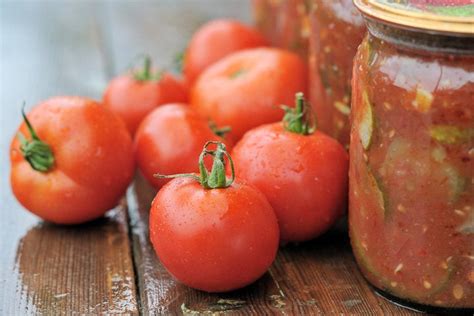
For tomatoes, freezing is incredibly versatile. You can freeze them whole, especially smaller varieties, by simply washing and placing them on a baking sheet to freeze individually before transferring to freezer bags. This prevents clumping. For larger tomatoes, quarter them or make a quick purée. Tomato purée or sauce can be frozen in ice cube trays or freezer-safe containers for convenient future use in soups, stews, and sauces.

Herbs: Cubes of Flavor
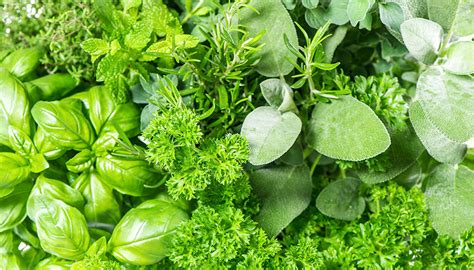
Herbs can be preserved beautifully in the freezer. Chop your favorite herbs like basil, parsley, or cilantro, then pack them into ice cube trays. Fill the trays with a little water or olive oil before freezing. Once solid, pop out the cubes and store them in freezer bags. These herb cubes are perfect for dropping directly into hot dishes, releasing their fresh flavor as they melt.
Drying: An Ancient Art Made Easy
Drying is another fantastic non-canning method, especially for herbs and some fruits. It concentrates flavors and results in shelf-stable ingredients that require no refrigeration or freezing.
Herbs: Air-Drying or Dehydrator
Most herbs dry wonderfully. For air-drying, tie small bunches of herbs together and hang them upside down in a warm, dry, well-ventilated area away from direct sunlight. Once brittle, crumble the leaves and store them in airtight containers. For faster results, a food dehydrator works wonders, allowing you to dry larger quantities quickly and efficiently. Dried herbs retain their potency for months, ready to spice up your winter meals.

Tomatoes: Sun-Dried Goodness
While true sun-drying can be weather-dependent, you can achieve a similar effect using a food dehydrator or even a low oven. Slice tomatoes thinly, remove excess moisture, and dry them until leathery but still pliable. Store these ‘oven-dried’ or ‘dehydrated’ tomatoes in an airtight container or submerged in olive oil (refrigerated) for an extra burst of flavor.
Oil Infusions & Vinegars: Flavorful Preserves
Infusing oils and vinegars with garden herbs is a simple way to capture their essence. This method adds gourmet flair to your cooking and makes wonderful gifts. Use fresh, thoroughly dried herbs (to prevent botulism risk) and quality oils or vinegars.
Herb-Infused Oils
Gently bruise herbs like rosemary, thyme, or oregano, then place them in a clean bottle and cover with a good quality olive oil. Let it sit in a cool, dark place for a week or two, shaking occasionally. Strain out the herbs for longer storage, or leave them in for continuous infusion. Always refrigerate herb-infused oils and use them within a few weeks to minimize any risk of botulism. For longer-term, safer storage, consider making herb-infused vinegars instead.
Simple Fermentation: A Taste of Tang
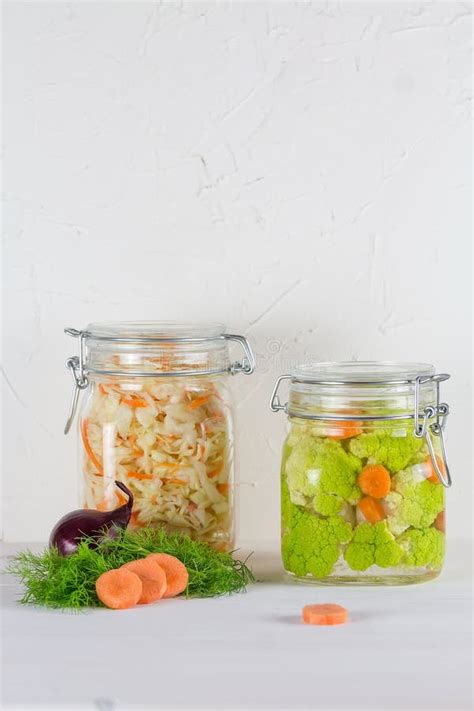
While some fermentation processes can be complex, basic lacto-fermentation is incredibly easy and provides a unique way to preserve vegetables while enhancing their beneficial properties. Think small batches of sauerkraut or fermented pickles without the need for specialized canning equipment.
Lacto-Fermented Vegetables
For items like cucumbers, green beans, or even sliced tomatoes, a simple saltwater brine and an airtight jar are all you need. The natural bacteria on the vegetables do the work, transforming them into tangy, probiotic-rich preserves. Follow reliable recipes for brine ratios and fermentation times, ensuring proper sanitation for safe consumption. These typically require refrigeration once fermentation is complete.
Root Cellaring & Cool Storage: Back to Basics
For certain hearty vegetables and fruits, simple cool, dark storage can extend their life for months. While not suitable for delicate items like most herbs or ripe tomatoes, it’s perfect for root vegetables, winter squash, and apples.
Extending the Life of Robust Produce
If you have a cool, humid basement, garage, or even a designated spot in your home, it can serve as a makeshift root cellar. Potatoes, onions, garlic, carrots, and apples store well under these conditions. Ensure good air circulation and check regularly for any signs of spoilage. This method requires no processing and relies entirely on environmental conditions to keep produce fresh.
Conclusion: Enjoying Your Garden Year-Round
Preserving your summer garden bounty doesn’t have to be a daunting task involving pressure canners and extensive equipment. By embracing methods like freezing, drying, simple infusions, and basic fermentation, you can easily extend the joy and flavor of your fresh produce into the colder months. Experiment with these non-canning techniques to find what works best for your harvest and your lifestyle, ensuring you can savor the taste of summer all year long.