



Seasonal eating: How to store excess garden produce without canning?
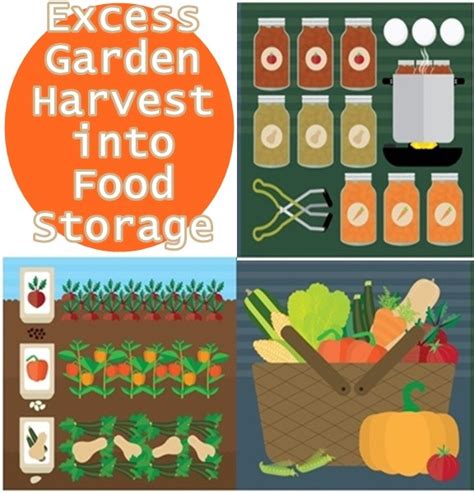
As summer fades into fall, home gardens often yield an abundance that can feel overwhelming. While canning is a time-honored tradition for preserving food, it’s not the only method, nor is it always the most convenient or desired. Fortunately, there are many simple and effective ways to store your excess garden produce without ever needing a pressure canner or water bath. These methods not only save time and effort but also retain the vibrant flavors and nutrients of your homegrown bounty.
Embracing Alternative Preservation
Moving beyond canning opens up a world of possibilities for extending the life of your produce. Whether you’re looking for quick solutions or long-term storage, these techniques offer flexibility and cater to different types of fruits and vegetables. From the crispness of frozen berries to the concentrated flavor of dried herbs, non-canning methods empower you to make the most of your harvest.
Freezing: The Ultimate Convenience
Freezing is arguably the easiest and most versatile preservation method for a wide range of produce. It requires minimal equipment and time, locking in flavor and nutrients almost instantly. Most vegetables benefit from a quick blanching before freezing to stop enzyme action and preserve color, while many fruits can be frozen raw.
- Vegetables: Blanch green beans, peas, corn, broccoli, and leafy greens (like spinach or kale) before freezing. Simply submerge in boiling water for a minute or two, then immediately transfer to an ice bath, drain, and package.
- Fruits: Berries, peaches, mangoes, and cherries freeze beautifully. Flash freeze single layers on a baking sheet before transferring to bags to prevent clumping.
- Herbs: Chop fresh herbs and freeze them in ice cube trays with a little water or olive oil for easy additions to winter cooking.

Drying (Dehydration): Concentrated Flavor and Shelf Stability
Dehydration removes water content from food, inhibiting microbial growth and concentrating flavors. This method is ideal for creating shelf-stable snacks, seasonings, and ingredients that take up minimal space. You can use a food dehydrator, an oven on its lowest setting, or even sun-dry in appropriate climates.
- Herbs: Dry bunches of herbs like basil, oregano, thyme, and rosemary by hanging them in a cool, dry place or using a dehydrator.
- Fruits: Apples, bananas, berries, and apricots make delicious dried snacks. Slice thinly for best results.
- Vegetables: Tomatoes (especially sun-dried style), bell peppers, and mushrooms can be dried for later use in soups, stews, or pasta dishes.

Cool Storage & Root Cellaring: Nature’s Refrigerator
For certain root vegetables and fruits, a cool, dark, and humid environment can extend their freshness for months. This traditional method mimics natural underground storage conditions and is surprisingly effective, even if you don’t have a dedicated root cellar.
- Potatoes and Sweet Potatoes: Store in a dark, cool (but not cold), well-ventilated area.
- Carrots, Beets, Parsnips: Store in damp sand or sawdust in a cool environment to prevent drying out.
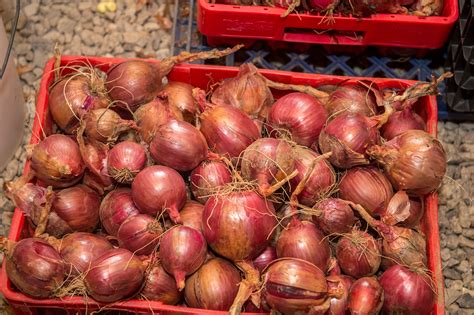
- Onions and Garlic: Braid or hang in mesh bags in a cool, dry, and well-ventilated space.
- Winter Squash and Pumpkins: Cure them in a warm, sunny spot for a week or two, then store in a cool, dry place.
- Apples: Store in a cool, moist environment, checking regularly for spoilage.
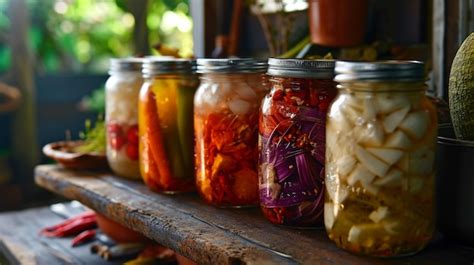
Fermentation & Quick Pickling (Refrigerated): Tangy and Beneficial
Fermentation is an ancient preservation technique that not only extends shelf life but also enhances flavor and nutritional value through beneficial bacteria. Quick pickling (refrigerated pickles) offers a similar tangy taste without the canning process, requiring only a vinegar brine and cold storage.
- Sauerkraut and Kimchi: Ferment cabbage and other vegetables in a salt brine for probiotic-rich condiments.
- Lacto-Fermented Vegetables: Cucumbers, carrots, green beans, and peppers can be fermented in a salt solution.
- Refrigerator Pickles: Quickly pickle cucumbers, onions, radishes, or even green beans in a vinegar-based brine and store in the fridge for several weeks.
Oil Preservation: Short-Term Flavor Infusion
While not for long-term shelf-stable storage due to botulism risk, preserving certain items in oil for short periods in the refrigerator can be a delightful way to capture fresh flavors. Always store oil-preserved items in the refrigerator and consume them within a few weeks.
- Herb Oils: Infuse olive oil with fresh herbs like rosemary, thyme, or oregano. Refrigerate and use within two weeks.
- Garlic Confit: Slowly cook garlic cloves in olive oil until tender. Store the garlic and oil in a sealed container in the refrigerator and use within a week.
Embrace Your Harvest, Sustain Your Pantry
Preserving your garden’s bounty doesn’t have to be a daunting task involving complex canning equipment. By exploring freezing, drying, cool storage, and fermentation, you can easily extend the life of your seasonal produce, ensuring a delicious taste of your garden throughout the year. Experiment with different methods to find what works best for your produce and your lifestyle, transforming your harvest into a year-round supply of fresh, homegrown goodness.