





DIY compost bin: best design for kitchen scraps and garden waste?
Understanding Your Composting Needs
Composting is an eco-friendly practice that diverts organic waste from landfills, transforming it into valuable soil amendment. Before diving into DIY designs, it’s crucial to assess your specific needs: how much waste do you generate, what types of materials will you compost, and how much space do you have? Kitchen scraps (food waste) benefit from enclosed, pest-resistant designs, while garden waste (leaves, grass clippings, branches) often requires larger, more robust structures.
Popular DIY Compost Bin Designs
Several DIY designs cater to different volumes and types of waste. Each has its unique advantages and construction challenges.
The Pallet Compost Bin: Robust and Versatile
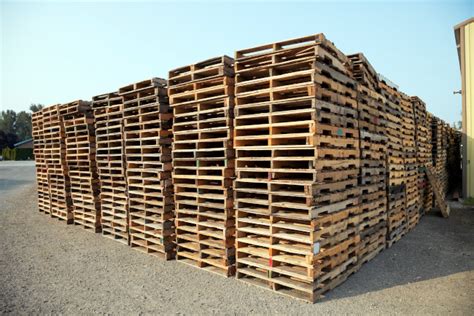
One of the most popular and cost-effective DIY options is the pallet compost bin. Made from discarded wooden pallets, these bins are excellent for handling large quantities of garden waste like leaves, grass clippings, and plant trimmings. A three-bin system is highly recommended: one for fresh materials, one for actively decomposing compost, and one for finished compost. This system allows for easy turning and maturation, creating airflow vital for aerobic decomposition.
Building a pallet bin primarily involves securing pallets together with bolts, screws, or zip ties. You’ll want to ensure there’s enough space between slats for air circulation without losing too much material.
Wire Mesh Bins: Simple and Expandable
For those with less space or smaller volumes of waste, a wire mesh bin is a quick and inexpensive solution. Using hardware cloth or sturdy fencing wire, you can create a cylindrical bin by simply forming a circle and securing the ends. These bins offer excellent aeration, making them efficient for composting a mix of kitchen and garden waste. They are also highly expandable; you can easily add more bins as your composting needs grow. However, their open design might attract pests if not managed properly, making them less ideal for large amounts of exposed kitchen scraps.
DIY Compost Tumblers: Faster Decomposition
Compost tumblers are designed for faster decomposition due to their ability to be easily rotated, providing frequent aeration. While many tumblers are store-bought, a DIY version can be constructed using a large plastic barrel (e.g., food-grade drum) mounted on a frame that allows it to spin. Tumblers are generally better for kitchen scraps as they are fully enclosed, deterring pests and odors. They are also less labor-intensive for turning, though they have a limited capacity compared to multi-bay pallet systems.
Considering Key Design Factors
When choosing or designing your DIY compost bin, keep these factors in mind:
- Material Availability and Cost: Recycled pallets, old fencing, or salvaged barrels are often free or low-cost.
- Space: Large garden? Pallet or multi-bay system. Small yard or patio? Wire mesh or tumbler.
- Volume of Waste: High volume demands larger bins; smaller, regular kitchen waste suits tumblers or contained systems.
- Aeration: Good airflow is crucial for fast, odor-free composting. All designs should promote this.
- Pest Control: If primarily composting kitchen scraps, an enclosed design (tumbler, lidded bin) is vital to deter rodents and insects.
- Ease of Turning/Harvesting: Tumblers are easy to turn. Pallet bins benefit from a three-bay system for easy transfer. Wire bins can be lifted off the pile to turn or harvest.
The Best Design: A Tailored Approach
There isn’t a single “best” design, but rather the best design for your situation. For most households generating a mix of kitchen scraps and garden waste, a combination approach often works best:
- For Garden Waste: A multi-bay pallet bin (2-3 bays) is ideal. It handles large volumes, is cost-effective, and facilitates efficient decomposition and turning.
- For Kitchen Scraps: A dedicated, enclosed system like a DIY barrel tumbler or a smaller, lidded bin (e.g., a plastic tote with drilled holes) is recommended to manage odors and deter pests. Vermicomposting (worm bins) is another excellent option for kitchen scraps, producing rich worm castings.
Alternatively, if space is limited, a single, well-managed wire mesh bin can handle both, provided you bury kitchen scraps deep within the pile and maintain a good “green to brown” ratio.
Tips for Successful Composting
- Balance Greens and Browns: Aim for a roughly 50/50 mix of nitrogen-rich “greens” (kitchen scraps, grass clippings) and carbon-rich “browns” (leaves, shredded paper, wood chips).
- Keep it Moist: The pile should feel like a wrung-out sponge – not too wet, not too dry.
- Aerate Regularly: Turn your compost pile every week or two to introduce oxygen, which speeds up decomposition and prevents odors.
- Chop Materials: Smaller pieces break down faster.
- Avoid Problematic Items: Don’t compost meat, dairy, oily foods, pet waste, or diseased plants, as these can attract pests and introduce pathogens.

Conclusion
Building your own compost bin is a rewarding project that empowers you to manage waste responsibly and enrich your garden soil naturally. By considering your waste types, available space, and desired composting speed, you can select or combine designs like the robust pallet bin, simple wire mesh, or efficient tumbler to create the perfect composting solution for your home.