


How to effectively store root vegetables through winter without a root cellar?
Embracing Winter’s Bounty: Storing Root Vegetables Without a Root Cellar
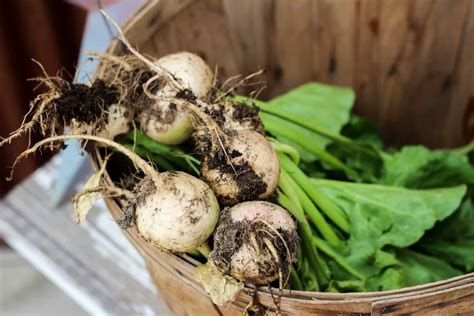
For many country dwellers and garden enthusiasts, a successful harvest brings with it the delightful challenge of preservation. Root vegetables like carrots, potatoes, beets, parsnips, and turnips are staples that can sustain us through the cold, lean months. While a dedicated root cellar is the traditional gold standard for long-term storage, it’s not a luxury every home possesses. The good news is, with a little creativity and understanding of basic principles, you can effectively store a significant portion of your root vegetable harvest through winter using simple, accessible methods.
Preparing Your Harvest for Storage
Proper preparation is the cornerstone of successful long-term storage. Neglecting these initial steps can significantly shorten the shelf life of your hard-earned produce.
- Harvesting at the Right Time: Most root vegetables should be harvested before the first hard frost, though some, like parsnips, can benefit from a light frost to sweeten their flavor.
- Gentle Cleaning: Resist the urge to wash your vegetables thoroughly. Instead, brush off excess soil gently, being careful not to bruise or cut the skin. Any damage can create an entry point for spoilage organisms.
- Curing (for some): Potatoes and sweet potatoes benefit immensely from a curing process. For potatoes, spread them in a cool, dark, humid area for 1-2 weeks to allow their skins to toughen. Sweet potatoes require warmer, more humid conditions (around 85°F and 90% humidity) for about 10 days to convert starches to sugars and heal skin damage.
- Trimming Greens: For vegetables like beets and carrots, trim the green tops, leaving about an inch of stem attached. This prevents the greens from drawing moisture out of the root.
Tried and True Storage Methods for Non-Cellar Homes
Even without a walk-in cellar, you can mimic suitable conditions using various household items and outdoor spaces.
1. Sand, Sawdust, or Peat Moss Storage
This method works wonderfully for carrots, beets, parsnips, and turnips. The medium provides insulation and helps maintain a consistent humidity level, preventing the vegetables from drying out or shriveling.
- What you need: Large plastic tubs, wooden crates, or even sturdy cardboard boxes; clean, damp sand, sawdust, or peat moss.
- How to do it: Lay a 2-3 inch layer of your chosen medium at the bottom of the container. Place a single layer of vegetables on top, ensuring they don’t touch each other. Cover with more medium and repeat layers until the container is full. The medium should be slightly damp, like a wrung-out sponge, not wet.
- Where to store: An unheated garage, basement, or even a cool closet that stays consistently above freezing (ideally 35-45°F / 2-7°C).
2. Buried Containers or Outdoor Clamps
This method leverages the insulating properties of the earth to maintain a stable, cool temperature. It’s excellent for potatoes, carrots, and other hardy roots.
- Buried Bins: Find a well-drained spot in your yard. Dig a trench or hole deep enough for a sturdy container (like a galvanized trash can or a large plastic tote) with drainage holes in the bottom. Place a layer of straw or leaves at the bottom of the container, add your vegetables, and cover with more straw or leaves. Secure the lid and cover the entire container with a thick layer of soil, straw, or even an old carpet for extra insulation. Mark the spot clearly!
- Outdoor Clamps: Similar to a traditional root cellar, but above ground. Choose a well-drained spot. Create a mound of vegetables on a bed of straw. Cover the mound with more straw, then a layer of soil, tapering upwards to shed rain. Add an optional top layer of plastic sheeting (leaving the ends open for ventilation) and more soil.
3. Utilizing Cold Spaces Indoors
Many homes have areas that naturally stay cool and dark, perfect for certain root vegetables.
- Unheated Basements or Cellars: If you have an unfinished or unheated basement, it can be ideal for storing potatoes, onions, and garlic. Potatoes prefer cool (40-50°F / 4-10°C), dark, and humid conditions, while onions and garlic prefer cool, dry, and airy conditions. Store them separately.
- Cold Rooms or Pantries: Any room that stays consistently cool and dark, away from heat sources, can be repurposed. Monitor temperature and humidity closely.
- Attached Garages: An unheated, attached garage that stays above freezing but below 50°F (10°C) can be a great spot for various root vegetables in crates or bins, especially if protected from rodents.
4. Refrigeration and Freezing (Short to Medium Term)
While not for long-term bulk storage, your refrigerator crisper drawer is perfect for smaller quantities of prepared root vegetables, and freezing is an excellent option for year-round availability.
- Refrigerator: Carrots, beets, and turnips can be stored in perforated plastic bags in the crisper drawer for several weeks.
- Freezing: Most root vegetables (except potatoes, which get mealy) can be blanched, cooled, and frozen for up to a year. This is ideal for pre-portioned ingredients for soups and stews.
Key Tips for Success
Regardless of the method you choose, a few universal principles will help maximize your success:
- Monitor Temperature and Humidity: Consistency is key. Fluctuations can lead to spoilage. Aim for cool temperatures (35-50°F / 2-10°C) and appropriate humidity (high for most roots, low for onions/garlic).
- Ensure Ventilation: Good airflow prevents condensation and the build-up of ethylene gas, which can accelerate ripening and spoilage.
- Regular Checks: Periodically inspect your stored vegetables. Remove any that show signs of spoilage immediately to prevent it from spreading to others.
- Rodent Protection: Always ensure your storage containers are rodent-proof, especially for outdoor or garage storage.

Enjoying Your Winter Harvest
Storing root vegetables through winter without a root cellar is entirely achievable with a bit of planning and effort. By understanding the specific needs of each vegetable and employing these alternative storage techniques, you can extend the bounty of your garden well into the colder months, providing fresh, nutritious food for your family and reducing waste. Experiment with different methods to find what works best for your home and climate, and enjoy the delicious rewards of your labor all winter long!