



How to adapt real food recipes for seasonal garden abundance?

Embracing the Garden’s Generosity
There’s an unparalleled joy in harvesting your own produce, especially when your garden yields a bountiful seasonal abundance. However, this blessing can sometimes turn into a delicious dilemma: what do you do with all those zucchini, tomatoes, or leafy greens before they go bad? The answer lies in the art of recipe adaptation. Rather than rigidly following recipes, learning to tweak them based on what’s fresh and plentiful allows you to enjoy the peak flavor of your harvest, reduce food waste, and create truly unique real food meals.
This guide will equip you with the principles and practical tips to effortlessly integrate your garden’s seasonal offerings into your cooking, transforming your kitchen into a hub of fresh, sustainable culinary creativity.
Understanding Your Seasonal Pantry
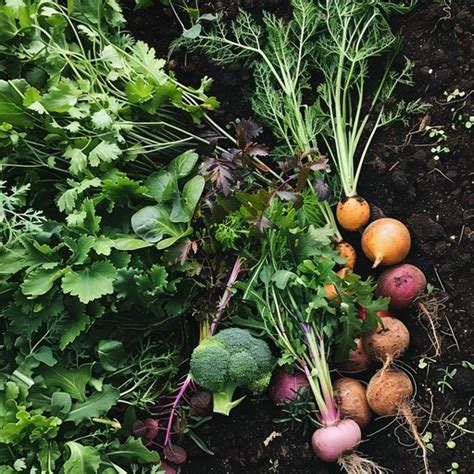
The first step in adapting recipes is to truly understand what your garden is offering. Take stock of your harvest. What vegetables, herbs, or fruits are abundant? Consider their individual characteristics: their flavor profile (sweet, bitter, earthy, acidic), their texture (crisp, tender, starchy, watery), and how they behave when cooked (do they hold their shape, break down easily, release a lot of moisture?). Knowing these qualities will be key to making successful substitutions.
Think about the classic pairings and culinary uses of each ingredient. For instance, zucchini can be a watery vegetable but also surprisingly versatile for baking or sautéing. Tomatoes bring acidity and umami, while leafy greens offer varying levels of bitterness and earthiness.
Core Principles for Adaptation
1. The Substitution Method: One for One
This is the simplest form of adaptation. If a recipe calls for an ingredient you don’t have but you have a functionally similar one in abundance, make a direct swap. For example, if a soup recipe calls for spinach and you have an excess of Swiss chard, you can often substitute it directly. Similarly, if a stir-fry asks for bell peppers but your garden is overflowing with various chilies (mild or hot), you can adjust accordingly.
2. Balancing Flavor and Texture
When making substitutions, consider how the new ingredient will impact the overall balance of the dish. If you’re adding a bitter green, you might want to balance it with something sweet or acidic. If your substituted vegetable releases a lot of water (like zucchini), you might need to adjust cooking times or drain excess liquid to maintain the desired texture of the final dish.
Practical Applications: Where to Start Adapting
Soups, Stews, and Casseroles
These dishes are incredibly forgiving and perfect for using up garden abundance. Almost any vegetable can find a home in a hearty soup or a slow-cooked stew. Think beyond the recipe’s specific vegetable list and consider adding diced carrots, potatoes, green beans, or even corn from your harvest. Leafy greens can be stirred in at the end for freshness.
Stir-fries and Pasta Dishes
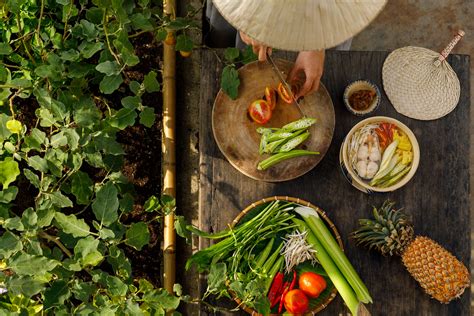
High-heat cooking methods like stir-frying are fantastic for quick utilization. Almost any crunchy or tender vegetable can be added. For pasta, consider making a fresh pesto from excess basil or other greens, or create a quick sauce using abundant tomatoes and herbs. Zucchini noodles can even replace traditional pasta for a lighter, garden-centric meal.
Salads and Sides
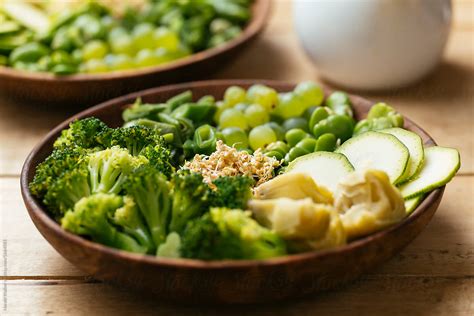
The easiest place to adapt! Enhance any salad with freshly picked greens, cherry tomatoes, cucumbers, or thinly sliced radishes. Roasted vegetables make excellent sides; simply chop whatever root vegetables (carrots, potatoes, beets) or fruiting vegetables (squash, bell peppers) you have in abundance, toss with olive oil and herbs, and roast until tender.
Beyond the Meal: Preserving Your Harvest
When your garden truly goes into overdrive, adaptation isn’t just about swapping ingredients for one meal, but about preserving the bounty for later. This extends the life of your harvest and ensures you can enjoy its flavors long after the season ends.
- Freezing: Blanch and freeze greens, berries, or diced vegetables for future use in smoothies, soups, or casseroles.
- Canning: Tomatoes are excellent for canning into sauces, purees, or whole. Pickling cucumbers, beans, or even beets is another fantastic option.
- Fermentation: Make sauerkraut from cabbage, kimchi from various greens, or fermented pickles.
- Drying: Herbs and some vegetables (like tomatoes) can be dried for long-term storage, intensifying their flavors.
Think about creating base ingredients from your abundance. Excess basil can become pesto, large quantities of tomatoes can be simmered into a versatile pasta sauce, and cucumbers can be turned into refreshing infused waters or pickles.

The Mindset of a Flexible Cook
Adapting recipes for garden abundance isn’t just a set of techniques; it’s a culinary mindset. It’s about embracing flexibility, trusting your instincts, and seeing recipes as guidelines rather than strict rules. Don’t be afraid to experiment! Taste as you go, adjust seasonings, and celebrate the unique flavors your garden provides.
This approach not only leads to delicious, hyper-seasonal meals but also fosters a deeper connection to your food, reduces waste, and enhances your culinary creativity. It’s a sustainable and incredibly rewarding way to cook.

Conclusion: A Sustainable and Flavorful Journey
Adapting real food recipes for your seasonal garden abundance is a cornerstone of sustainable living and smart cooking. By understanding your harvest, applying simple substitution principles, and employing preservation techniques, you can transform a potential overwhelming bounty into a continuous source of fresh, flavorful, and nutrient-dense meals. So, embrace the challenge, get creative in the kitchen, and savor every delicious moment your garden provides!