




Best DIY storage ideas for root vegetables without a cellar?

For many home gardeners and fresh food enthusiasts, the crisp autumn harvest brings an abundance of root vegetables. Carrots, potatoes, beets, parsnips, and turnips are not only delicious but also store well – traditionally in a cool, dark, and humid root cellar. But what if you don’t have this subterranean haven? Fear not! Preserving your harvest without a dedicated cellar is entirely achievable with a few clever DIY strategies.
Understanding Root Vegetable Storage Needs
Before diving into specific methods, it’s crucial to understand why root vegetables store well and what conditions they thrive in. The ideal environment mimics their natural underground habitat: cool temperatures (just above freezing, 35-50°F or 2-10°C), high humidity (85-95%), darkness, and good air circulation. These conditions slow down respiration and prevent sprouting, shriveling, and rot.
1. The Humble Bucket or Bin Method with Medium
One of the most popular and effective no-cellar storage methods involves packing root vegetables in an insulating medium. This method works exceptionally well for carrots, beets, parsnips, and turnips.
How to Do It:
- Choose Your Container: Use sturdy plastic bins, old coolers, wooden crates, or even large galvanized trash cans. Ensure they have drainage holes if storing in a humid environment or if there’s a risk of condensation.
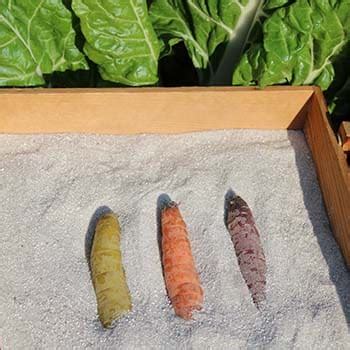
- Select Your Medium: Moist sand (not wet, just slightly damp to the touch), peat moss, sawdust, or even shredded leaves are excellent choices. The medium helps maintain humidity and prevents direct contact between vegetables, which can spread rot.
- Layering: Place a layer of your chosen medium at the bottom of the container. Arrange a single layer of clean, untrimmed (but soil-free) root vegetables on top, ensuring they don’t touch. Cover them completely with more medium, then add another layer of vegetables. Repeat until the container is full, finishing with a thick layer of medium.
- Location: Store the containers in the coolest, darkest part of your home – an unheated basement corner, a cool garage, or even an enclosed porch if temperatures stay above freezing.
2. The Improvised “Mini-Cellar” Burial
If you have a garden space, you can create a temporary, mini-cellar right in the ground. This method leverages the earth’s natural insulating properties and is particularly good for carrots, beets, and potatoes.
How to Do It:
- Choose a Spot: Select a well-drained area in your garden.
- Prepare Your Container: Use a durable container like a metal trash can with a tight-fitting lid, a sturdy plastic barrel, or even an old cooler. Drill a few small drainage holes in the bottom if it doesn’t have them.
- Bury It: Dig a hole slightly larger than your container. Place a layer of gravel at the bottom for drainage. Insert the container, leaving the top few inches exposed above ground.
- Pack the Vegetables: Layer your clean, dry root vegetables with straw, leaves, or damp sand inside the container.
- Insulate and Cover: Place the lid on securely. Mound soil, straw, or leaves over the exposed part of the container to provide extra insulation. Mark the spot clearly!
- Access: Dig down when you need vegetables. This method provides stable, cool, and humid conditions.
3. Simple Crate and Closet Storage
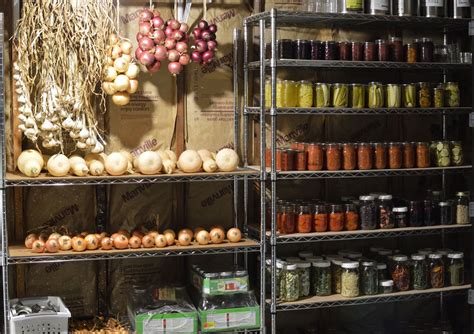
For vegetables that prefer slightly drier conditions, or if you lack outdoor space, utilizing a cool, dark closet, pantry, or even an unheated spare room can work wonders, especially for onions, garlic, and even some potatoes.
- Airflow is Key: Store onions and garlic in mesh bags, old pantyhose (tied between each bulb), or slatted crates. This maximizes air circulation and prevents mold. Hang them if possible.
- Potato Precautions: Potatoes need darkness to prevent greening (which indicates solanine, a toxic compound). Store them in breathable bags (burlap, paper) or open crates in a dark corner. Do NOT store potatoes with onions, as onions release ethylene gas that can cause potatoes to sprout prematurely.
- Temperature and Humidity: Aim for a consistent cool temperature (40-50°F / 4-10°C) and moderate humidity. Avoid locations near heat sources.

4. Leveraging Your Garage or Basement
If you have an unheated garage or basement, these spaces can often be adapted for root vegetable storage, even if they aren’t true root cellars.
- Temperature Monitoring: Invest in a thermometer. Ensure temperatures consistently stay above freezing but below 50°F (10°C). If temperatures drop too low, you might need to add insulation around your storage bins or bring them indoors during extreme cold snaps.
- Humidity Management: Basements can be dry. You might need to add a pan of water nearby or use the sand/peat moss method described earlier to boost humidity for carrots, beets, etc. Garages can fluctuate more, so protection from direct sunlight and extreme cold is essential.
- Pest Control: Garages and basements can attract rodents. Use sturdy, rodent-proof containers and keep the area clean.

General Tips for Success
- Harvest Properly: Harvest root vegetables on a dry day. Cure certain vegetables (like potatoes and sweet potatoes) for a few days to a week after harvest in a warm, humid environment to toughen their skins and heal any cuts, which improves storage life.
- Clean, Don’t Wash: Brush off excess dirt but avoid washing vegetables before storage, as moisture encourages rot.
- Inspect Regularly: Check your stored vegetables every few weeks. Remove any that show signs of spoilage immediately to prevent it from spreading.
- Keep Them Dark: Light encourages sprouting and can turn potatoes green.
- Avoid Ethylene Producers: Store apples and bananas away from root vegetables (especially potatoes) as they release ethylene gas, which can accelerate sprouting and spoilage.
Conclusion
You don’t need a traditional root cellar to enjoy your homegrown or locally sourced root vegetables throughout the winter. With a little creativity and effort, these DIY storage solutions can transform ordinary spaces into effective food preservation zones, ensuring you have fresh, healthy produce long after the harvest season ends. Happy storing!