


Simple ways to pass on real food traditions & country living values to kids?

In an increasingly fast-paced and digital world, the timeless wisdom of real food traditions and country living values offers a grounding foundation for children. Teaching kids where their food comes from, the satisfaction of creating with their own hands, and the importance of stewardship not only builds essential life skills but also fosters resilience, appreciation, and a deep connection to the natural world. Here are simple yet impactful ways to weave these vital lessons into daily family life.
Cultivating Kitchen Confidence: Real Food Hands-On
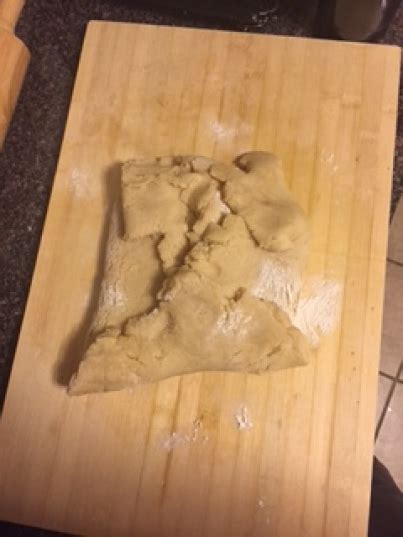
The kitchen is perhaps the most natural classroom for real food traditions. Involve children from a young age in the process of preparing meals from scratch. Start with simple tasks appropriate for their age – washing vegetables, stirring ingredients, kneading dough, or setting the table. Talk about where each ingredient comes from and why fresh, whole foods are good for their bodies. Baking bread, making homemade preserves, or even simple soup can be incredibly rewarding experiences that teach patience and the joy of creating.

The Garden Classroom: Nurturing Nature’s Lessons
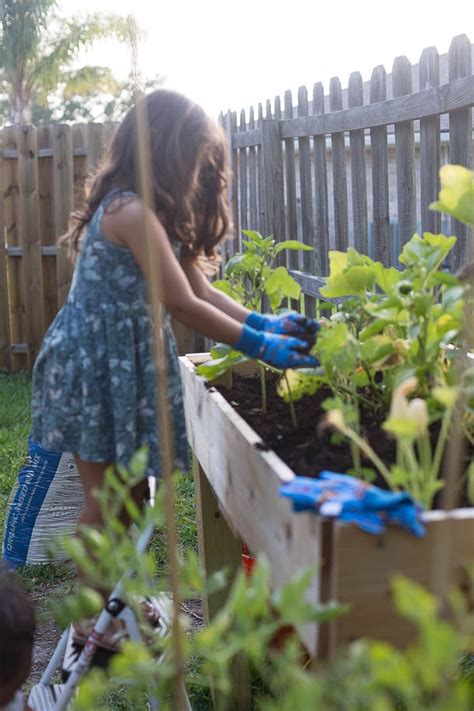
Even a small container garden on a balcony can be a powerful teacher. Planting seeds, watering regularly, observing growth, and eventually harvesting fruits or vegetables connects children directly to the earth. They learn about seasons, the life cycle of plants, and the effort required to produce food. This direct experience cultivates a deep respect for nature and an understanding of the farm-to-table journey.
Embracing Simplicity: Core Country Living Values
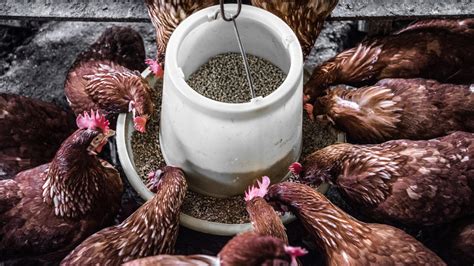
Country living is often synonymous with resourcefulness, self-sufficiency, and a less consumer-driven lifestyle. Teach kids to repair instead of instantly replacing items, to be mindful of waste, and to appreciate what they have. Encourage outdoor play and exploration – climbing trees, building forts, or simply observing wildlife. If feasible, caring for animals, whether pets or small livestock, instills responsibility and empathy. These activities foster a sense of independence and problem-solving.

Beyond the Home: Community and Connection
Extend these lessons beyond your own home. Regular visits to local farmers’ markets teach children about seasonal produce and connect them with the people who grow their food. Exploring local farms, whether for a pick-your-own experience or an educational tour, provides valuable insight into agricultural practices. Participating in community gardens or local environmental clean-up days reinforces the value of collective effort and caring for shared spaces.

Making it Fun and Sustainable
The key to passing on these traditions and values successfully is to make them enjoyable and integrate them naturally into family life. Share stories of your own childhood or ancestral traditions. Let kids take ownership of certain tasks. Be patient with messes and mistakes, viewing them as learning opportunities. Most importantly, lead by example; children learn best by observing what their parents value and practice daily.

By consciously incorporating these simple practices, families can equip children with invaluable skills and a strong moral compass that will serve them well throughout their lives, fostering a generation that understands and cherishes the true meaning of sustenance and community.