


Best ways to share “Real Food” kitchen mishaps or “Country Living” garden fails for authentic engagement?

The Power of Imperfection: Why Fails Foster Connection
In a world often saturated with perfectly curated content, showing your audience the unfiltered reality behind your “Real Food” kitchen experiments or “Country Living” garden endeavors can be a powerful tool for authentic engagement. While glossy success stories are inspiring, it’s the burnt sourdough, the wilted harvest, or the DIY project gone awry that truly resonates and builds a deeper connection with your community. Embracing and sharing these mishaps humanizes your brand, making you relatable and trustworthy.

Choosing Your Sharing Platform Wisely
The first step to effectively sharing your fails is selecting the right platform. Each channel offers unique advantages for storytelling and audience interaction.
- Blogs/Websites: Ideal for detailed narratives. You can weave a comprehensive story around the mishap, explaining what went wrong, what you learned, and including multiple photos or even video clips. This format allows for deeper reflection and SEO benefits.
- Instagram/Facebook: Perfect for visual storytelling. A captivating photo or short video of the fail, accompanied by an honest, humorous, or reflective caption, can spark immediate conversations. Utilize Stories for real-time, in-the-moment sharing.
- TikTok/YouTube Shorts: Excellent for quick, engaging video content. A sped-up montage of a recipe going wrong or a garden project failing can be highly entertaining and shareable, especially when paired with trending audio.
- YouTube: For more in-depth video explanations. You can walk viewers through the entire process, showcasing the mistake and your attempts to fix it, offering a behind-the-scenes look that builds strong rapport.
Crafting the Compelling “Fail” Narrative
It’s not enough to just show the failure; the storytelling element is crucial. Approach your mishap with honesty and a touch of humor, if appropriate. Don’t be afraid to poke fun at yourself. Clearly articulate what happened, why you think it happened, and most importantly, what you learned from the experience. People aren’t just looking for entertainment; they’re looking for lessons and reassurance that they’re not alone in their struggles.
Consider framing your story with a beginning (your intention), a middle (the glorious failure), and an end (the lesson learned or the silver lining). This narrative arc makes the content more engaging and provides value beyond just a laugh.

Visualizing the Mess for Maximum Impact
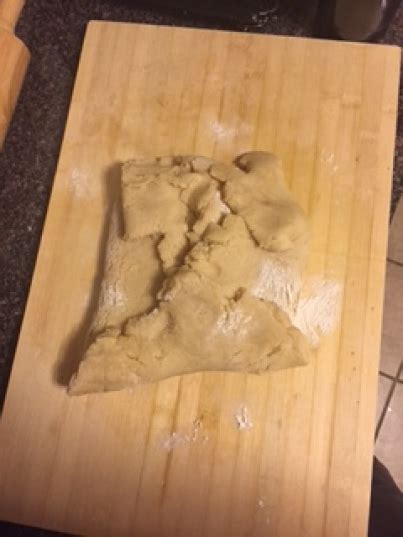
Visuals are paramount when sharing mishaps. A picture truly is worth a thousand words, especially when those words are describing a collapsed cake or a pest-ridden plant. Don’t shy away from showcasing the full extent of the mess. High-quality photos or videos, even of a “bad” outcome, will grab attention. Use close-ups to highlight specific details of the fail, making it more tangible for your audience.

Encouraging Authentic Engagement and Community
After sharing your mishap, actively encourage interaction. Ask open-ended questions in your captions or videos: “What’s your biggest kitchen fail?” or “Have you ever had a garden disaster like this?” Respond to comments thoughtfully, sharing in the collective experience. This creates a safe space for others to share their own imperfections, fostering a true sense of community and turning a solo mishap into a shared learning opportunity.

The Enduring Payoff of Vulnerability
Sharing your kitchen mishaps and garden fails isn’t just about entertainment; it’s about building trust, enhancing relatability, and forging a loyal community around shared experiences. Your audience will see you as a genuine person, not just a perfect creator, and that authenticity is invaluable. Embrace the imperfections, share the journey, and watch your engagement flourish.