


Best BTS tip for showing the real (messy) side of farm-to-table cooking?

Beyond the Picture-Perfect Plate: Embracing Farm-to-Table’s Raw Reality
The farm-to-table movement has captivated diners with its promise of fresh, local ingredients and artisanal preparation. Yet, the curated images we often see—pristine produce, immaculate kitchens, and perfectly plated dishes—only tell half the story. The truth, as any chef or farmer knows, is that the journey from soil to plate is often a glorious, messy, and unpredictable adventure. For those looking to truly connect with their audience and build trust, showing this authentic, unvarnished side is not just good practice, it’s essential.
So, what’s the best behind-the-scenes (BTS) tip for showcasing the real, sometimes chaotic, world of farm-to-table cooking?

Embrace the Imperfections: The Beauty of the “Ugly”
The single most impactful tip is to embrace and highlight the imperfections at every stage. Forget the flawless glamour shots; instead, focus your camera on the knobbly carrots, the dirt-streaked potatoes, the slightly bruised heirloom tomatoes, or the unexpected wilting of greens after a long transport. This isn’t about compromising quality; it’s about showcasing reality. Farmers battle weather, pests, and the sheer unpredictability of nature. Chefs work with what arrives, adapting and transforming ingredients that are beautiful precisely because of their natural variations, not despite them.
Documenting these “ugly” or less-than-perfect ingredients—and then showing how skilled hands transform them into culinary masterpieces—builds immense credibility. It educates your audience about food waste, sustainable practices, and the true effort involved in bringing food to their plates.
Show the Process, Not Just the Product
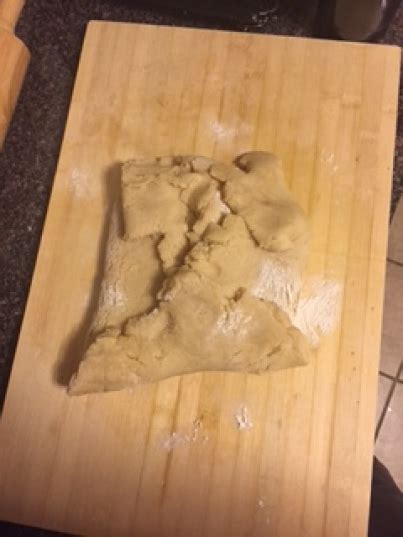
Beyond the ingredients themselves, delve into the gritty details of preparation. This means less focus on the final, perfectly garnished dish, and more on the sweat, the flour-dusted countertops, the piles of discarded trimmings, and the intense focus in a bustling kitchen. Film the early morning market runs, the strenuous chopping sessions, the spontaneous adjustments when a recipe isn’t working quite right, or even the cleaning crew at the end of a long service.
These are the moments of authentic human effort and skill that resonate deeply. They demystify the cooking process, making it more approachable while simultaneously elevating the perception of the labor and artistry involved. It moves the narrative from a passive consumption experience to an active appreciation of the entire culinary journey.
Highlight the Human Element: Farmers and Chefs at Work
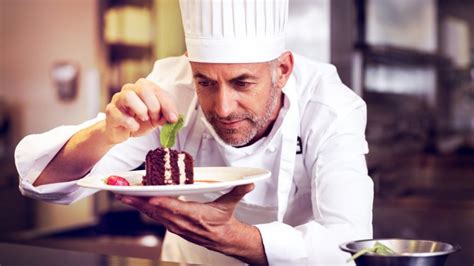
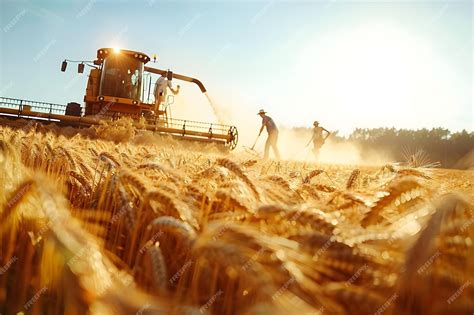
The farm-to-table story isn’t just about food; it’s about people. Feature the farmers toiling in the fields, their hands covered in soil, their faces weathered by sun and wind. Show the chefs in the heat of the kitchen, their concentration palpable, their movements precise yet swift. Interview them about the challenges they face, their passion, and the stories behind specific ingredients or dishes.
These personal narratives add a crucial layer of authenticity. Audiences connect with stories, struggles, and triumphs. By humanizing the process, you create an emotional bond, turning abstract concepts like “local” and “fresh” into tangible realities embodied by dedicated individuals.

Document the Entire Journey: From Soil to Sizzle
Don’t stop at the kitchen door. Follow an ingredient from its harvest on the farm, through its transport, to its arrival in the restaurant, and finally to its transformation on the plate. What logistical hurdles arise? How is freshness maintained? Are there unexpected delays or changes in plans? These behind-the-scenes glimpses into the supply chain, even when imperfect, build trust and transparency.
Whether through short video clips, photo essays, or candid interviews, documenting these real-time challenges and solutions provides invaluable insight. It transforms the often-idealized farm-to-table concept into a dynamic, living process that audiences can truly appreciate.

The Power of Unedited Authenticity
Ultimately, the best BTS tip is to prioritize unedited authenticity over polished perfection. While professional production has its place, some of the most compelling farm-to-table content comes from raw, candid moments. A shaky phone video of a chef improvising with an unexpected delivery, a quick snapshot of a farmer covered in mud after a rainstorm, or a soundbite of kitchen banter – these are the powerful details that reveal the true character and dedication behind the food.
By pulling back the curtain on the “messy” side, you not only educate and entertain but also foster a deeper appreciation and loyalty among your audience, transforming them from mere consumers into genuine advocates for the farm-to-table ethos.