


Tips for making tender, flavorful country stew with tough cuts?
Embrace the Challenge: The Secret to Tender Stew
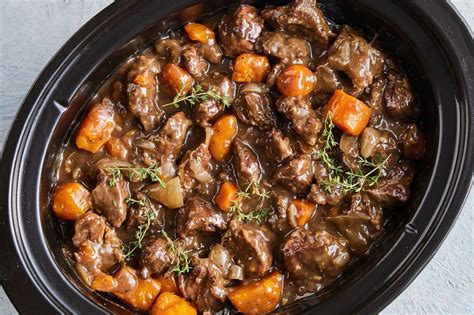
Tough cuts of meat, often the most economical, hold a secret within their fibrous structures: an abundance of collagen that, when properly cooked, breaks down into gelatin, resulting in an incredibly rich, melt-in-your-mouth texture and deep flavor. The key to unlocking this potential for a truly tender and flavorful country stew lies in understanding and applying a few fundamental cooking principles.

Choose Your Cut Wisely (Even If It’s Tough)
Not all tough cuts are created equal, but many are perfect for stewing. Look for cuts like beef chuck (from the shoulder), oxtail, beef short ribs, or even lamb shanks. These cuts are rich in connective tissue, which is exactly what we want to render into tenderness. Avoid very lean cuts, as they will dry out before the magic happens.
The Essential First Step: Searing for Flavor
Before any liquid touches the pot, sear your meat. Pat the meat dry thoroughly, season generously with salt and pepper, and then brown it deeply in a hot pot with a little oil. This step creates the Maillard reaction, developing complex, savory flavors that form the backbone of your stew. Don’t crowd the pan; work in batches to ensure a proper sear, not just steaming.
Marinate for Tenderness and Depth
While optional, marinating tough cuts for a few hours or even overnight can significantly enhance tenderness and infuse flavor. Use acidic ingredients like red wine, vinegar, or even buttermilk, combined with aromatics like garlic, onions, and herbs (rosemary, thyme). The acid helps to break down muscle fibers, and the aromatics penetrate the meat, setting the stage for a more flavorful final dish.
The Golden Rule: Low and Slow Cooking
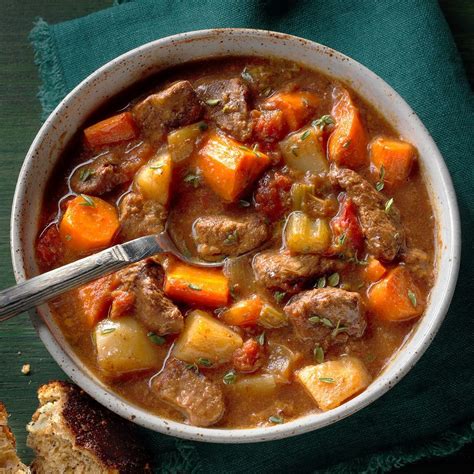
This is where the transformation truly happens. Tough cuts demand patience. Cook your stew at a low temperature for an extended period, allowing the collagen to slowly convert into gelatin. Whether it’s on the stovetop, in the oven, or a slow cooker, maintain a gentle simmer rather than a rolling boil. This gradual heat prevents the meat from seizing up and instead encourages it to become incredibly tender. For most tough cuts, expect at least 2.5 to 4 hours of simmering.
Layering Flavor: A Symphony of Ingredients
Beyond the meat, the other ingredients contribute significantly to the stew’s depth. Start by sautéing aromatic vegetables like onions, carrots, and celery (mirepoix) until softened and slightly caramelized, building a flavor base. Deglaze the pan with wine or broth after searing and sautéing to capture all the flavorful fond from the bottom.

The Right Liquid: More Than Just Filler
Choose your braising liquid wisely. Beef broth is a classic, but red wine, dark beer, or even hard cider can add incredible complexity. Tomatoes (paste, crushed, or diced) offer acidity and umami, brightening the flavor profile. Ensure the liquid just barely covers the meat and vegetables; too much liquid will dilute the flavors.
Herbs, Spices, and Umami Boosters
Bay leaves, thyme, rosemary, and even a pinch of smoked paprika can elevate your stew. Consider adding umami-rich ingredients like Worcestershire sauce, soy sauce, or dried mushrooms to deepen the savory notes.
Finishing Touches: Brightness and Balance
Just before serving, taste and adjust seasonings. A splash of vinegar (red wine, balsamic) or a squeeze of lemon juice can provide a much-needed acidic counterpoint to the richness. Fresh herbs like parsley or chives, stirred in at the end, add freshness and vibrant color. If your stew needs thickening, a slurry of cornstarch and water or a roux made with butter and flour can do the trick.
Patience Pays Off
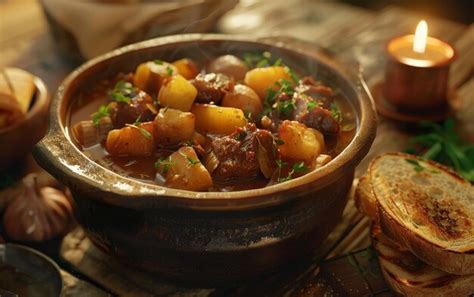
Often, stews taste even better the next day after the flavors have had a chance to meld. Allow it to cool completely, then refrigerate. Reheat gently, adding a splash of broth or water if needed to adjust consistency. With these techniques, you’ll transform the humblest cuts into a country stew that’s both tender and bursting with flavor, proving that some of the best meals take time, but are well worth the wait.