


Best methods to preserve garden tomatoes for easy year-round homemade sauce?

There’s nothing quite like the taste of a ripe, sun-kissed tomato straight from the garden. But when your plants are overflowing, you might find yourself wondering how to capture that peak-season flavor to enjoy long after the harvest ends. Making homemade tomato sauce from your preserved bounty is a culinary delight, and thankfully, there are several straightforward methods to keep those garden gems fresh for a year-round supply.
Why Preserve Your Harvest?
Preserving your garden tomatoes isn’t just about reducing waste; it’s about flavor, quality, and control. Store-bought sauces often contain added sugars, salts, and preservatives. By making your own, you dictate the ingredients, ensuring a wholesome and delicious product. Plus, the satisfaction of opening a jar or bag of your own homemade sauce in the middle of winter, bursting with summer flavor, is unmatched.

Freezing: The Easiest Option
For sheer simplicity and minimal fuss, freezing is hands down the easiest method for preserving tomatoes. It requires no special equipment beyond freezer-safe containers or bags and retains much of the fresh flavor.
- Whole or Halved: Wash your tomatoes, remove the core, and place them whole or halved on a baking sheet lined with parchment paper. Freeze until solid, then transfer to freezer bags. When ready to use, simply run them under warm water, and the skins will slip right off.
- Chopped or Diced: For a head start on sauce, you can blanch, peel, and chop your tomatoes before freezing. Pack them into freezer bags, removing as much air as possible, or freeze in measured portions in ice cube trays for smaller needs.
- Puréed: Cook down your tomatoes into a chunky purée or smooth sauce, cool completely, and then freeze in airtight containers. This method offers the most convenience when it’s time to cook.

Canning: A Classic Approach
Canning provides shelf-stable tomatoes that don’t require freezer space. This method does require more attention to detail and specific equipment, but the rewards are well worth it. Tomatoes are high-acid foods, making water bath canning a suitable option for most preparations, but always follow tested recipes.
- Crushed or Diced Tomatoes: Blanch, peel, and crush your tomatoes. Pack them into hot, sterilized jars, leaving appropriate headspace. Add a teaspoon of lemon juice or citric acid per pint to ensure acidity, then process in a boiling water canner according to tested guidelines.
- Whole Peeled Tomatoes: Similar to crushed, whole peeled tomatoes can be packed into jars. They are incredibly versatile for recipes that call for whole tomatoes.
- Tomato Sauce: For a more complete sauce, you can cook down your tomatoes with herbs and spices before canning. Ensure the recipe is suitable for water bath canning, or use a pressure canner for lower-acid or thicker sauces for extra safety.
Always sterilize your jars and lids, use new lids for each batch, and ensure a proper seal to prevent spoilage.

Roasting for Deep Flavor & Dehydrating for Concentrates
Beyond freezing and canning, roasting and dehydrating offer unique flavor profiles and storage options.
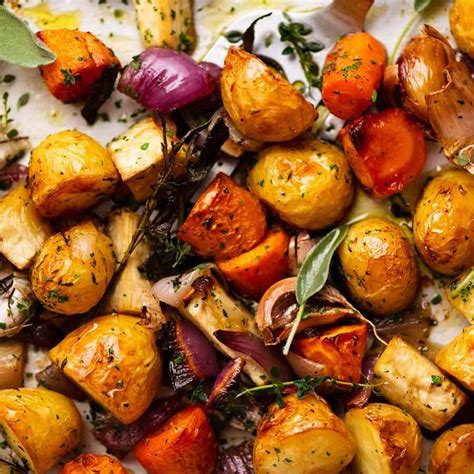
- Roasted Tomatoes: Halve or quarter your tomatoes, toss with olive oil, salt, pepper, and herbs (like basil or oregano). Roast at a moderate temperature until slightly caramelized and softened. These can then be frozen, made into sauce directly, or even packed in oil (though oil-packed tomatoes require refrigeration and faster consumption or careful canning/freezing). Roasting concentrates their natural sweetness and deepens their umami flavor, perfect for a richer sauce.
- Dehydrating: Sliced tomatoes can be dehydrated until brittle. These can then be ground into a potent tomato powder, which adds a burst of intense tomato flavor to soups, stews, or even homemade pasta. Alternatively, you can rehydrate them for a sun-dried tomato texture.
Choosing the Right Tomatoes and Basic Sauce Tips
For the best sauce, select meaty, low-moisture tomato varieties like Roma, San Marzano, Amish Paste, or Celebrity. While slicing tomatoes can work, paste tomatoes are ideal as they cook down more efficiently.
When making your sauce, start with a simple base: olive oil, garlic, and onions. Add your preserved tomatoes, a touch of fresh or dried basil, oregano, salt, and pepper. Simmer gently until it reaches your desired consistency. You can adjust sweetness with a pinch of sugar or acidity with a splash of red wine vinegar, though a good ripe tomato often needs little help.

Whether you choose the simplicity of freezing, the timeless tradition of canning, or the flavor-intensifying techniques of roasting and dehydrating, preserving your garden tomatoes is a rewarding endeavor. Each method offers a pathway to enjoying the vibrant taste of summer throughout the entire year, ensuring your homemade sauces are always a labor of love.