



Simple ways to preserve garden bounty for homemade pantry staples?

There’s nothing quite like the satisfaction of harvesting fresh produce from your own garden. But what do you do when your basil bush explodes, or your tomato plants are overflowing? Don’t let that beautiful bounty go to waste! Transforming your garden’s yield into homemade pantry staples is not only rewarding but also ensures you have delicious, healthy ingredients all year long. Forget store-bought preservatives; with a few simple techniques, you can stock your kitchen with wholesome goodness.

Freezing: The Quickest & Easiest Preservation Method
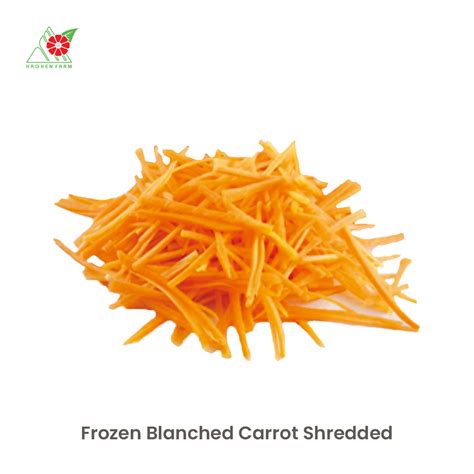
Freezing is arguably the simplest way to preserve most fruits and vegetables, requiring minimal equipment and effort. Most vegetables benefit from a quick blanching before freezing to stop enzyme activity, which can lead to loss of color, flavor, and nutrients. For example, blanch green beans or broccoli florets in boiling water for a couple of minutes, then plunge them into ice water before draining and freezing on a baking sheet. Once frozen solid, transfer them to freezer-safe bags or containers.
Fruits, especially berries, can often be frozen raw. Simply wash, dry thoroughly, and spread them in a single layer on a baking sheet to freeze individually. This prevents them from clumping together, making it easier to use small portions later. Peaches or plums can be sliced and frozen, often with a light sugar syrup or lemon juice to prevent browning. You can also freeze purees like tomato sauce or pumpkin puree in ice cube trays or freezer-safe containers for future meals.
Canning: Shelf-Stable Staples for Your Pantry
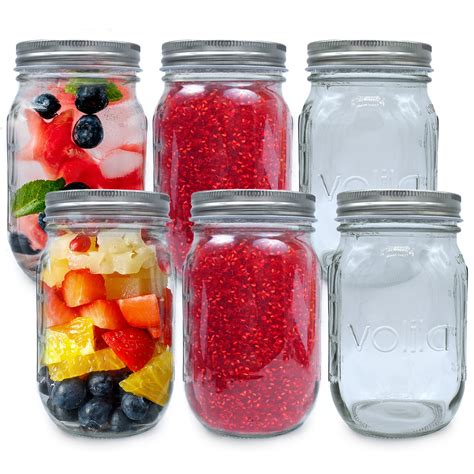
Canning allows you to store food at room temperature for extended periods, creating a truly shelf-stable pantry. There are two primary methods: water bath canning for high-acid foods and pressure canning for low-acid foods.
Water Bath Canning: Ideal for fruits, jams, jellies, pickles, and most tomato products. The high acidity prevents the growth of harmful bacteria. You’ll need a large pot with a rack, canning jars, lids, and rings. After preparing your food and packing it into sterilized jars, process them in boiling water for a specified time. Think strawberry jam, dill pickles, or crushed tomatoes from your harvest!
Pressure Canning: Essential for preserving low-acid foods like green beans, corn, carrots, meats, and soups. A pressure canner heats food to much higher temperatures than boiling water, effectively destroying spoilage organisms and harmful bacteria like Clostridium botulinum. This method requires careful attention to safety guidelines and proper equipment, but it opens up a world of savory, ready-to-eat staples.
Dehydrating: Concentrating Flavors & Nutrients
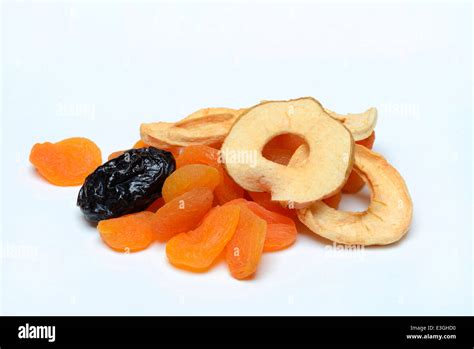
Dehydrating involves removing moisture from food, inhibiting microbial growth and concentrating flavors. While a food dehydrator is helpful, you can also use your oven on its lowest setting. Thinly sliced fruits like apples, bananas, or mangoes make delicious, chewy snacks. Herbs like basil, oregano, and rosemary are perfect for drying; simply hang them in bundles in a warm, dry place or use a dehydrator.
Dehydrated vegetables, such as tomatoes, peppers, and even kale, can be rehydrated for soups, stews, or ground into powders for seasoning. Imagine making your own sun-dried tomatoes from your garden’s bounty or creating custom vegetable flakes for instant soup mixes. This method results in lightweight, compact ingredients perfect for long-term storage.
Beyond the Basics: Fermentation and Oil Infusions
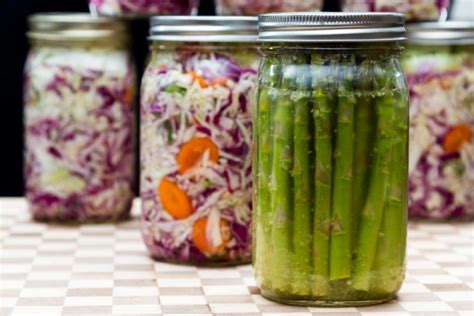
While freezing, canning, and dehydrating cover the bulk of garden preservation, other simple methods offer unique flavors and benefits. Fermentation, for instance, transforms vegetables into probiotic-rich foods like sauerkraut and kimchi. These methods often require just salt and time, allowing beneficial bacteria to do the work, resulting in tangy, complex flavors and extended shelf life.
Another simple way to capture your garden’s essence is by drying herbs. Once dried, these can be stored in airtight containers or used to infuse oils and vinegars. Infused olive oils with garlic, rosemary, or chili flakes make excellent culinary gifts and add gourmet flair to your cooking. Just ensure fresh herbs are completely dry before infusing oils to prevent spoilage.
Enjoy Your Homemade Pantry Staples Year-Round
Preserving your garden’s bounty is a fulfilling journey that connects you more deeply with your food. Whether you choose the convenience of freezing, the shelf-stability of canning, the intense flavors of dehydrating, or the unique benefits of fermentation, each method helps you savor the taste of summer long after the growing season ends. Start with one simple method, experiment, and soon you’ll have a pantry bursting with homemade goodness, ready for any culinary adventure.