

How to adapt garden harvest recipes for less food waste?

As gardeners, the joy of a bountiful harvest is unmatched. However, this abundance can sometimes lead to an unintended consequence: food waste. When your zucchini plants are overflowing, or your tomatoes ripen all at once, it’s easy for some produce to go unused. The good news is that with a few smart strategies, you can adapt your recipes and cooking habits to embrace your harvest fully, minimizing waste and maximizing flavor.
Embrace the Versatility of Your Produce
The first step in reducing food waste is to understand the inherent versatility of your garden’s bounty. Instead of rigidly following a recipe that calls for one specific vegetable, think about its characteristics. Is it a leafy green? A starchy root? A juicy fruit (botanically speaking, like tomatoes or peppers)? Many vegetables can be swapped or combined interchangeably in various dishes, opening up a world of culinary possibilities.
For instance, if a recipe calls for spinach, but you have an abundance of Swiss chard or kale, don’t hesitate to make the switch. Similarly, potatoes, sweet potatoes, carrots, and parsnips can often substitute for each other in roasted vegetable dishes, stews, or mashes. Understanding these interchangeable qualities empowers you to adapt recipes on the fly based on what’s most plentiful in your garden.
Batch Cooking and Strategic Preservation
When faced with a large harvest, batch cooking and preservation become your best allies against food waste. Think beyond single meals and consider how you can process a significant portion of your produce to be enjoyed later. This not only saves food but also time on busy weeknights.
Soups, stews, and casseroles are excellent vehicles for using up large quantities of mixed vegetables. You can cook a big batch, portion it out, and freeze it for convenient future meals. Similarly, preparing large amounts of roasted vegetables allows for quick additions to salads, wraps, or as side dishes throughout the week.
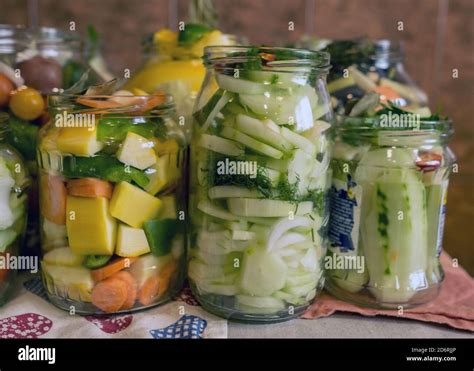
Beyond immediate cooking, explore various preservation methods. Freezing is ideal for many vegetables like blanched green beans, corn kernels, or berries. Canning is perfect for tomatoes, pickles, and fruit jams. Dehydrating can transform herbs, fruits, and even some vegetables into long-lasting pantry staples. Pickling, fermenting, and making sauces (like pesto from excess basil or marinara from tomatoes) are other fantastic ways to extend the life of your harvest and add unique flavors to your pantry.
Creative Culinary Adaptations for Excess Produce
Reimagine Your Leftovers and Scraps
Even small amounts of leftover produce can be given new life. Vegetable scraps like carrot peels, onion skins, and herb stems are perfect for making flavorful homemade vegetable broth. Wilted greens can be revived in a stir-fry or blended into a smoothie. Embrace “root-to-stem” cooking, utilizing parts of plants that are often discarded, such as beet greens, radish greens, or broccoli stems (peeled and chopped).
Transforming Abundant Ingredients
Got too many zucchini? Grate them into muffins, breads, or even savory fritters. Excess tomatoes? Blend them into a fresh sauce, gazpacho, or slow-roast them for intense flavor. Herbs multiplying faster than you can use them? Make pestos, herb butters, or infuse vinegars and oils. Root vegetables like carrots or beets can be spiralized into “noodles,” grated into salads, or roasted until caramelized and sweet.

Think about dishes where vegetables are the star or can easily be incorporated in larger quantities. Frittatas, quiches, stir-fries, curries, and sheet pan meals are incredibly forgiving and adaptable. A simple rule of thumb: if it can be chopped, it can probably go into a frittata or a stir-fry.
Plan for Sustainable Harvesting and Sharing
To truly reduce food waste from your garden, consider incorporating strategies even before the harvest. Succession planting, where you plant smaller batches of crops every few weeks, can help stagger your yield and prevent a single overwhelming glut. Researching varieties that mature at different times can also smooth out your harvest curve.
Finally, don’t underestimate the power of sharing. If you genuinely have more than you can possibly use or preserve, share your bounty with neighbors, friends, or local food banks. This not only prevents waste but also fosters community spirit and ensures delicious, fresh produce reaches more people.

Conclusion
Adapting garden harvest recipes for less food waste is a rewarding journey that combines culinary creativity with mindful resource management. By embracing the versatility of your produce, leveraging batch cooking and preservation techniques, and thinking creatively about ingredient transformations, you can ensure that every bit of your hard-earned harvest is savored. Your kitchen will become a hub of delicious innovation, and your waste bin will thank you.